

Reform UK Scotland Criticizes Holyrood Parties Over Exclusion
Reform UK Scotland has accused other political parties at Holyrood of adopting "childish" tactics after they decided not to collaborate with Malcolm Offord's group in the new Scottish Parliament.
The Scottish National Party (SNP), Conservatives, Liberal Democrats, Greens, and Labour have collectively stated they will not seek cooperation with Reform following the party's electoral breakthrough in Scotland last week.
SNP leader John Swinney has invited the leaders of these parties to talks as part of efforts to form a new government but has explicitly excluded Reform Scotland leader Malcolm Offord from these discussions.
Helen McDade, one of Reform's 17 newly elected Members of the Scottish Parliament (MSPs), called on other parties to cease "posturing" and engage constructively.
The SNP secured a fifth consecutive Scottish election victory, returning 58 MSPs. Reform and Labour both secured 17 MSPs each, placing them in a tie for second place, followed by the Greens with 15 MSPs, the Conservatives with 12, and the Liberal Democrats with 10.
McDade, elected to represent Mid Scotland and Fife, emphasized that the election outcome indicated voters' desire for parties to collaborate and noted that Reform is "open to that."
"Obviously, many of our aims may not align but many of our aims should be aligning – making Scotland better, getting our economy back on track, balancing private sector enterprise with the public sector," she told BBC Radio Scotland Breakfast.
"We live in a democracy and people have voted," McDade added, arguing that it would "play very badly" for other parties if they refused to work with Reform.
"This is childish," she said, urging party leaders to stop "posturing."
McDade also claimed that other parties had made "dreadful" remarks about Reform politicians, which could potentially increase risks to them when appearing in public.
While formal cooperation agreements between Holyrood parties are rare, it is customary for parties to collaborate within committees and during parliamentary sessions to scrutinize, amend, and pass legislation.
The extent to which other parties will refuse to cooperate with Reform remains to be seen, although Reform is expected to play a prominent role in committees and at key events such as First Minister's Questions.
SNP's Position and Criticism of Reform
Mairi McAllan, a former SNP cabinet minister widely anticipated to become the next deputy first minister, stated that Swinney had been unequivocal during the campaign that the SNP "will have absolutely nothing to do with the politics of Reform."
She accused Reform of promoting "hatred and division" and asserted that the party's rhetoric has endangered ethnic minorities.
"We understand that while we will not work with Reform politicians, some people who voted for Reform have done so out of anger and out of fear ... we will speak directly to them so they don't have to be angry and they don't have to be afraid and we will work to improve their lives," McAllan said.
She rejected accusations of hypocrisy regarding Swinney's engagement with former US President Donald Trump—highlighting the first minister's visit to Washington DC for talks last year—while refusing to engage with Reform.
McAllan emphasized the importance of Scotland's first minister engaging with world leaders on significant socio-economic issues.
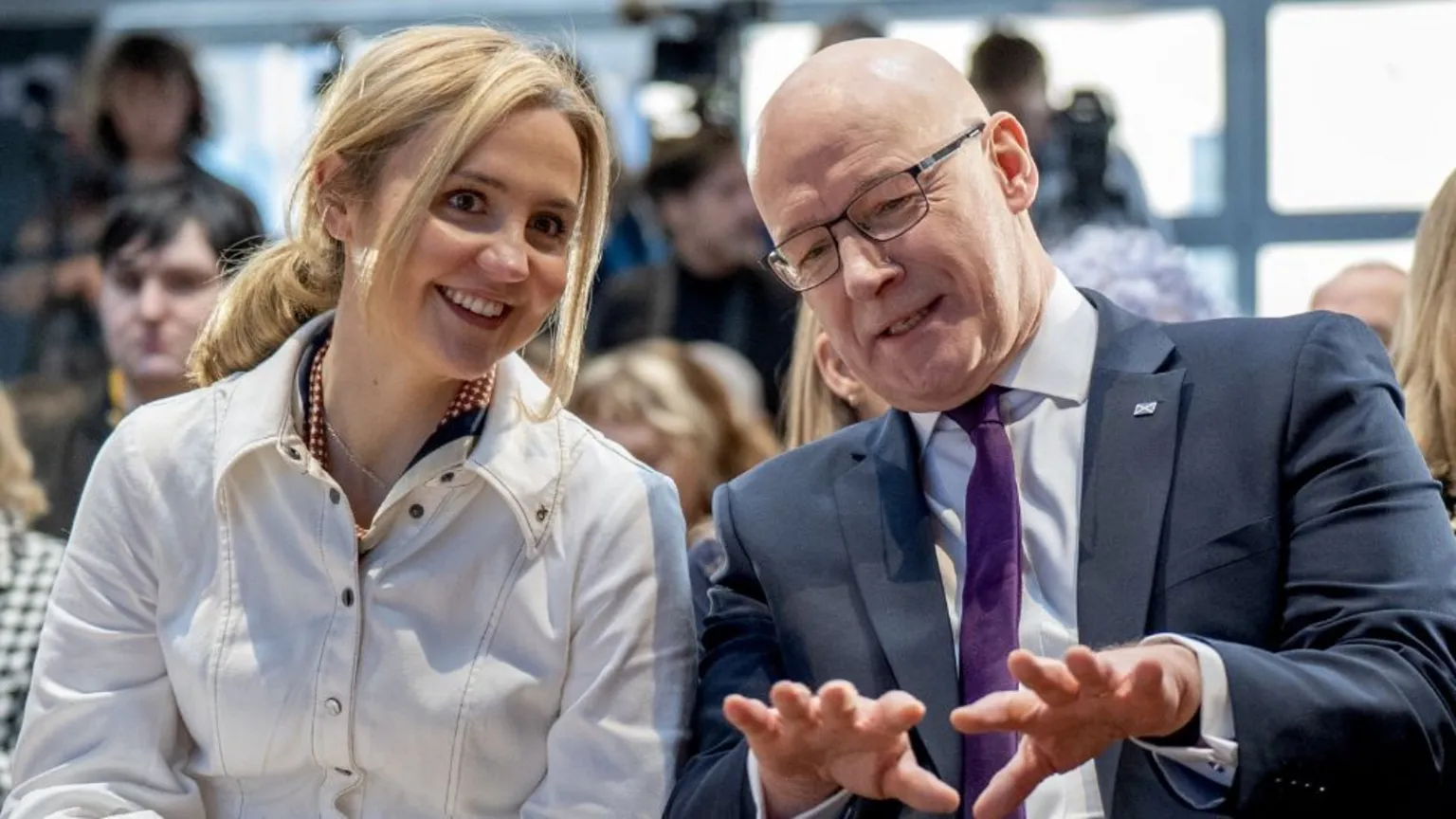
New MSPs Begin Induction Amid Political Developments
Following a record number of departures from Holyrood at this year's election, 64 new MSPs commenced their induction at the parliament on Monday.
They are scheduled to be officially sworn in on Thursday, with the selection of a first minister and cabinet appointments expected next week.


