

Prolonged Rescue of Cow from Victorian Ice House
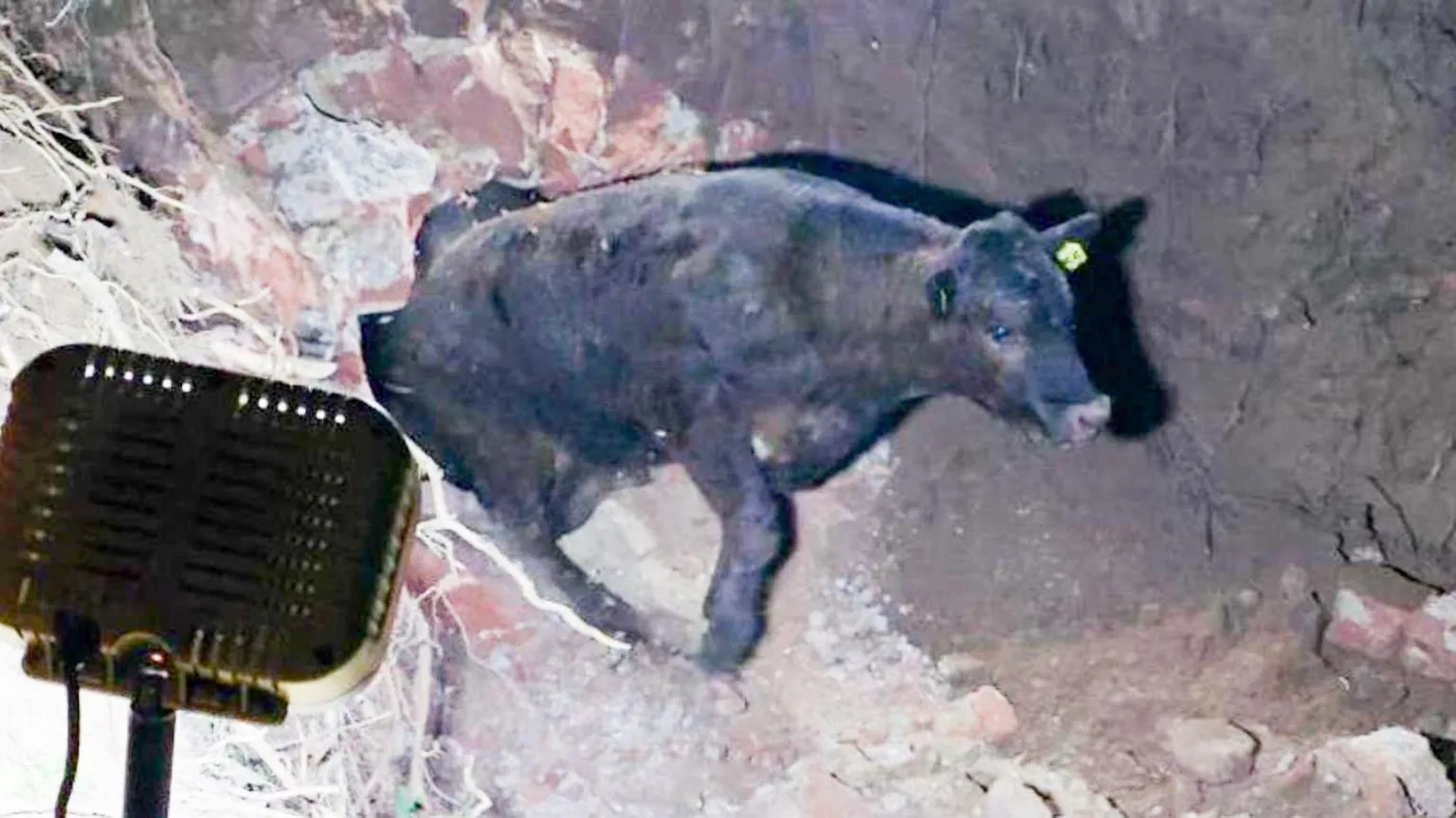
Specialist fire crews engaged in an 11-hour operation to rescue a 500kg (1,100lb) heifer that fell into a concealed underground Victorian ice house located on a farm near Kelso in the Borders.
The heifer accessed the ice house through a small hatch, but no clear exit route was available, prompting the need for an extensive rescue effort.
The Scottish Fire and Rescue Service (SFRS) deployed multiple resources to manage the situation.
Rescue Operation Details
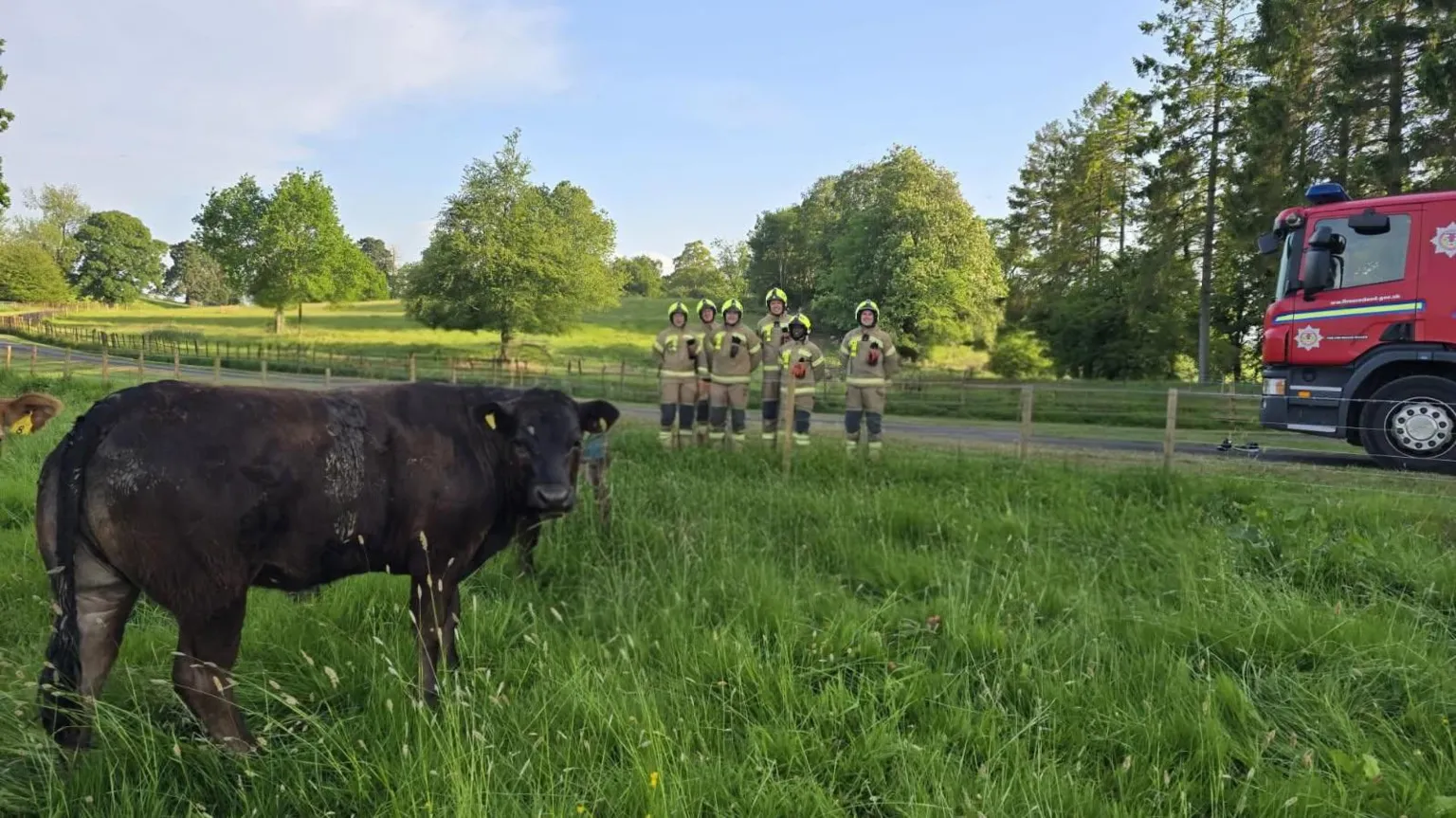
Utilizing a digger provided by a local farm, rescuers were ultimately able to create sufficient space for the cow to climb out safely and return to the farm unharmed.
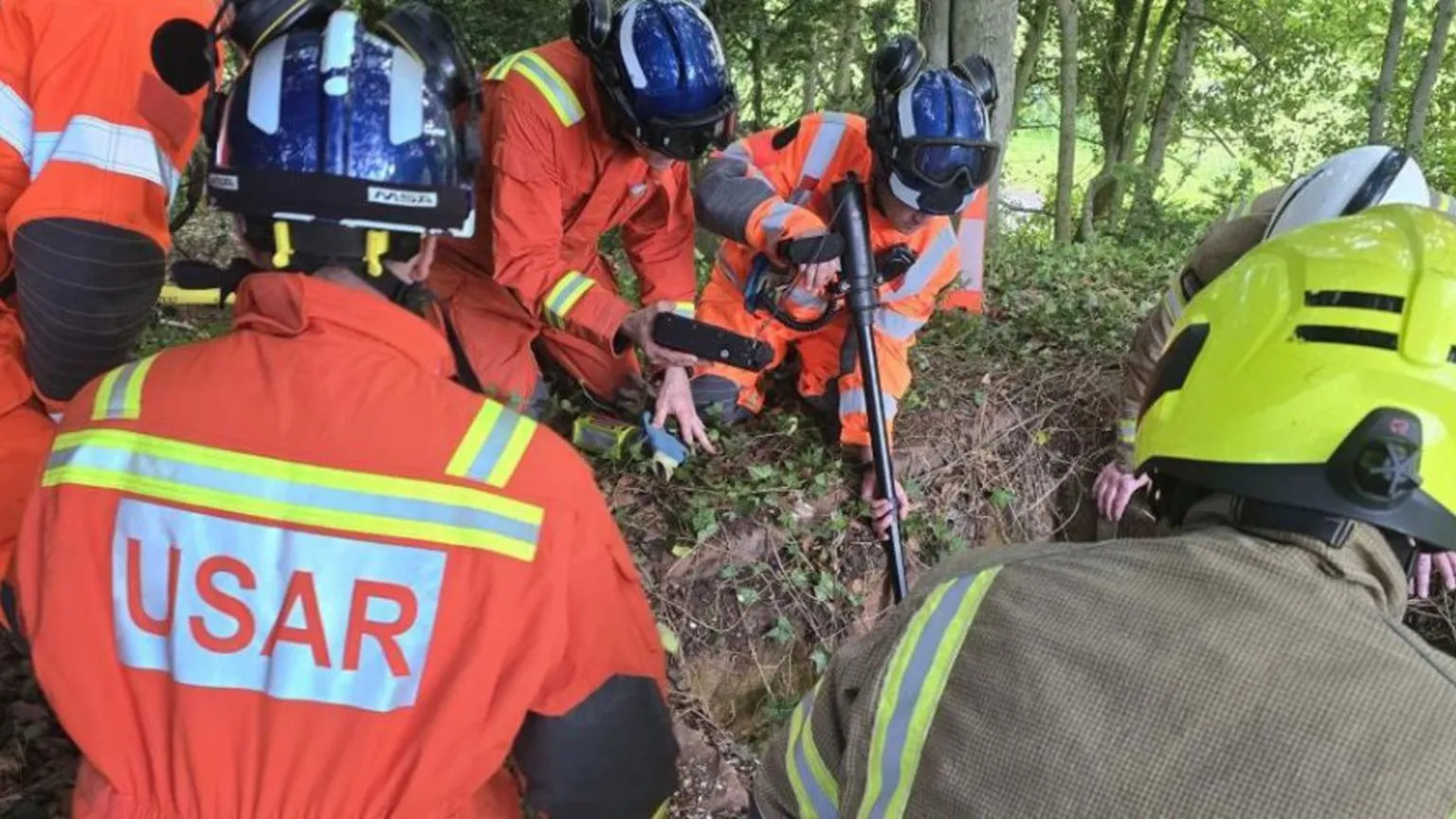
The incident occurred last Tuesday, with the SFRS dispatching its urban search and rescue (USAR) team, a heavy rescue unit, and on-call firefighters from the Kelso community station.
During the operation, a drone from the Tweed Valley Mountain Rescue team was lowered on a rope into the bunker to assess the situation.
The drone confirmed the presence of an old door that had been bricked up and filled in.
Following this, the digger was used to remove ground material, exposing the old walls of the ice house. This allowed the USAR and heavy rescue teams to create an opening large enough for the heifer to exit.

Oversight and Outcome
The rescue was supervised by the owner, Tom Baird, along with estate staff, farm contractors, and a local veterinarian.
After the extensive effort, the heifer was returned to the farm without injury following her "underground adventure."
Statements from Authorities and Owner
SFRS group commander Les Mason expressed gratitude to all involved, emphasizing the positive and safe outcome of the incident.
"As a humanitarian organisation, our highly skilled crews answer a wide range of calls to help animals in distress across the country," he said.
"Our response by trained and equipped firefighters can prevent members of the public from putting themselves in danger by attempting their own rescue.
It also means there is a higher chance of the animal being rescued safely."
The heifer's owner also extended a "huge thank you" to everyone who assisted in the rescue.
"Their professionalism and training ensured she was rescued safely and is back on the farm with very little sign of what she went through for 11 hours," he said.
Historical Context of Ice Houses
Ice houses were introduced to Britain in the 17th Century, typically constructed underground and often brick-lined to provide structural strength and temperature regulation.
By the 18th Century, they became common features on large estates and were filled during winter with ice harvested from nearby frozen watercourses to preserve food.
The Society for the Protection of Ancient Buildings notes that approximately 3,000 ice houses were built across Britain. However, they became largely obsolete with the advent of the first domestic refrigerators in the early 20th Century.
Some ice houses found a secondary use as air raid shelters during World War Two.


