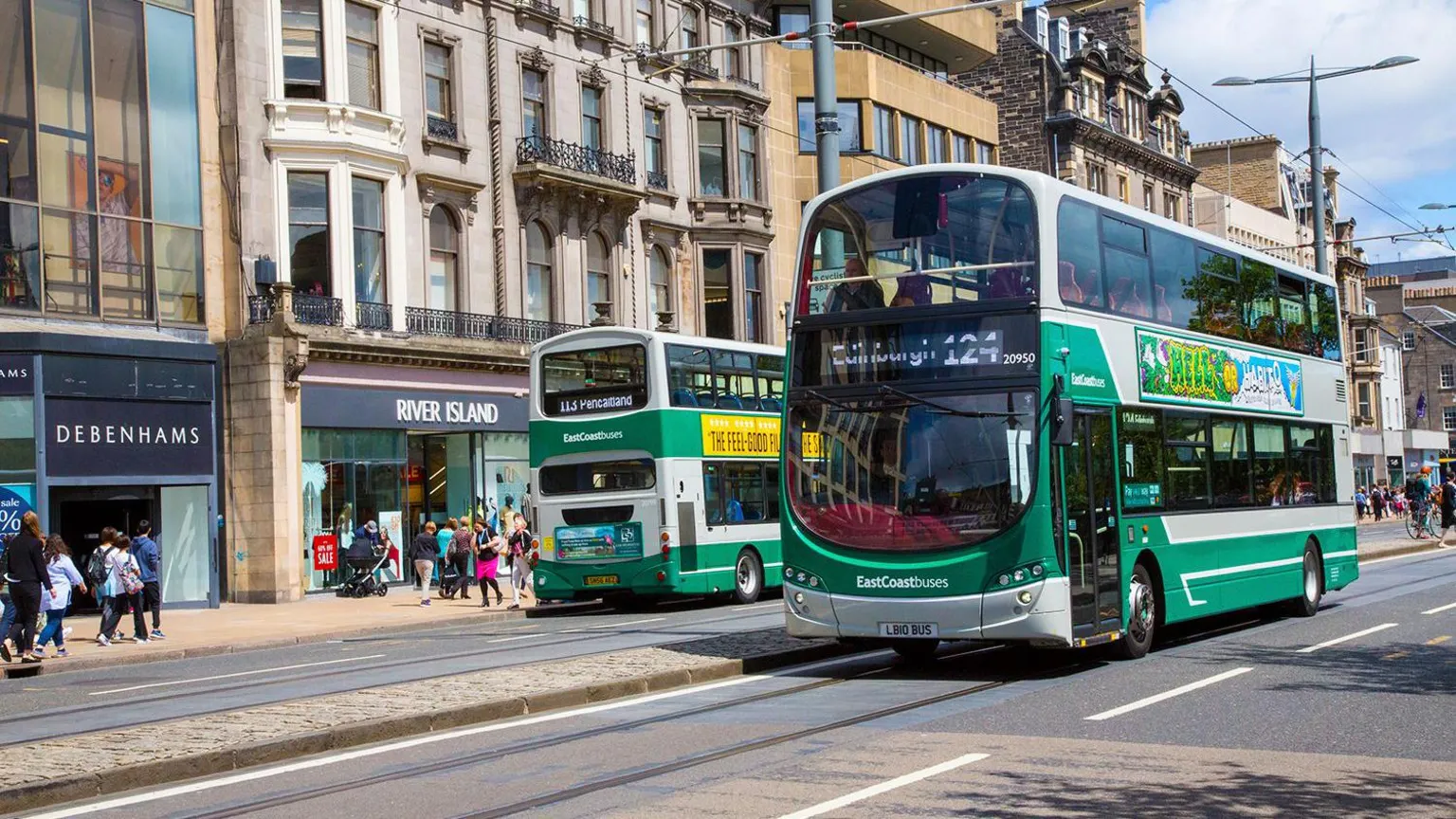
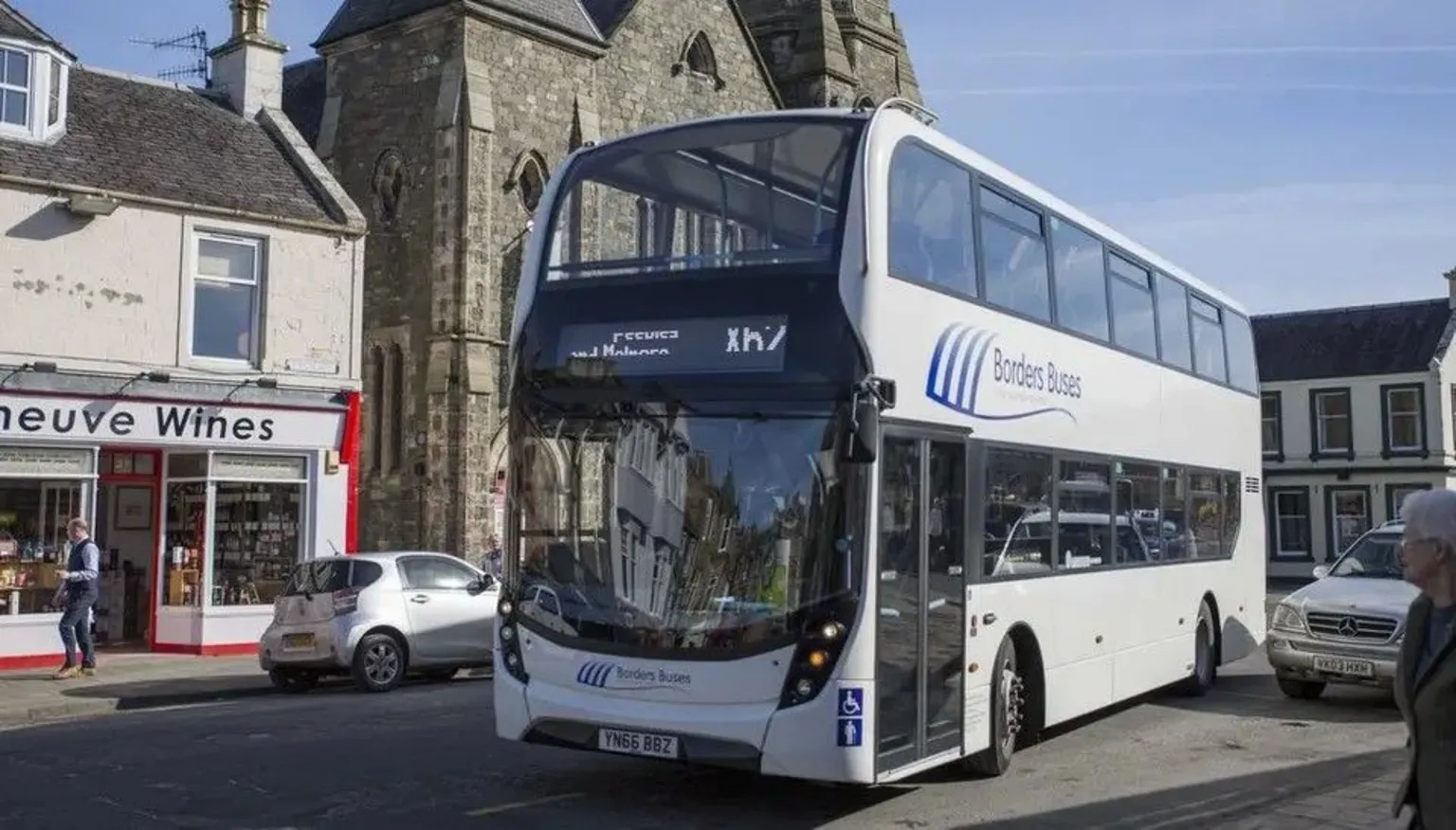
Free Bus Travel Enables Young People to Access Education and Work
Between studying, working, and volunteering, 19-year-old medical student Poppy Fairbairn travels hundreds of miles monthly on Scotland's bus network without paying for fares.
Residing in Kirkcaldy, Fife, and studying at the University of St Andrews, Poppy benefits from Scotland's free bus travel scheme for those under 22 through her National Entitlement Card (NEC).
Alongside her studies, she works part-time as a swimming teacher and uses the bus network extensively to commute to classes, work, and volunteer engagements.
"The scheme means I don't have to worry about the cost of travel,"Poppy said.
Young people in England under 16 will also gain free bus travel starting August, following an announcement by Chancellor Rachel Reeves.
In Scotland, anyone aged five to 21 holding an NEC with the blue 'ITSO' circle can travel free on any bus service within the country.
Poppy lives in St Andrews during term time and regularly makes the 50-mile round trip home to Kirkcaldy. She also volunteers with organisations such as the Scouts, Young Scot, and Scottish Action for Mental Health across Scotland.
She estimated that without the pass, she would spend at least £25 weekly on bus travel.
"Having the card means I don't have to decide what I can and can't do,"she explained.
"For work, because I only teach for two or three hours at a time, it's not feasible to commute there and earn a wage, I'd have to spend most of it getting there and back.
It's the same with going to see friends, I can just go and not have to worry about the cost for them or for myself, we can just make the most of it."
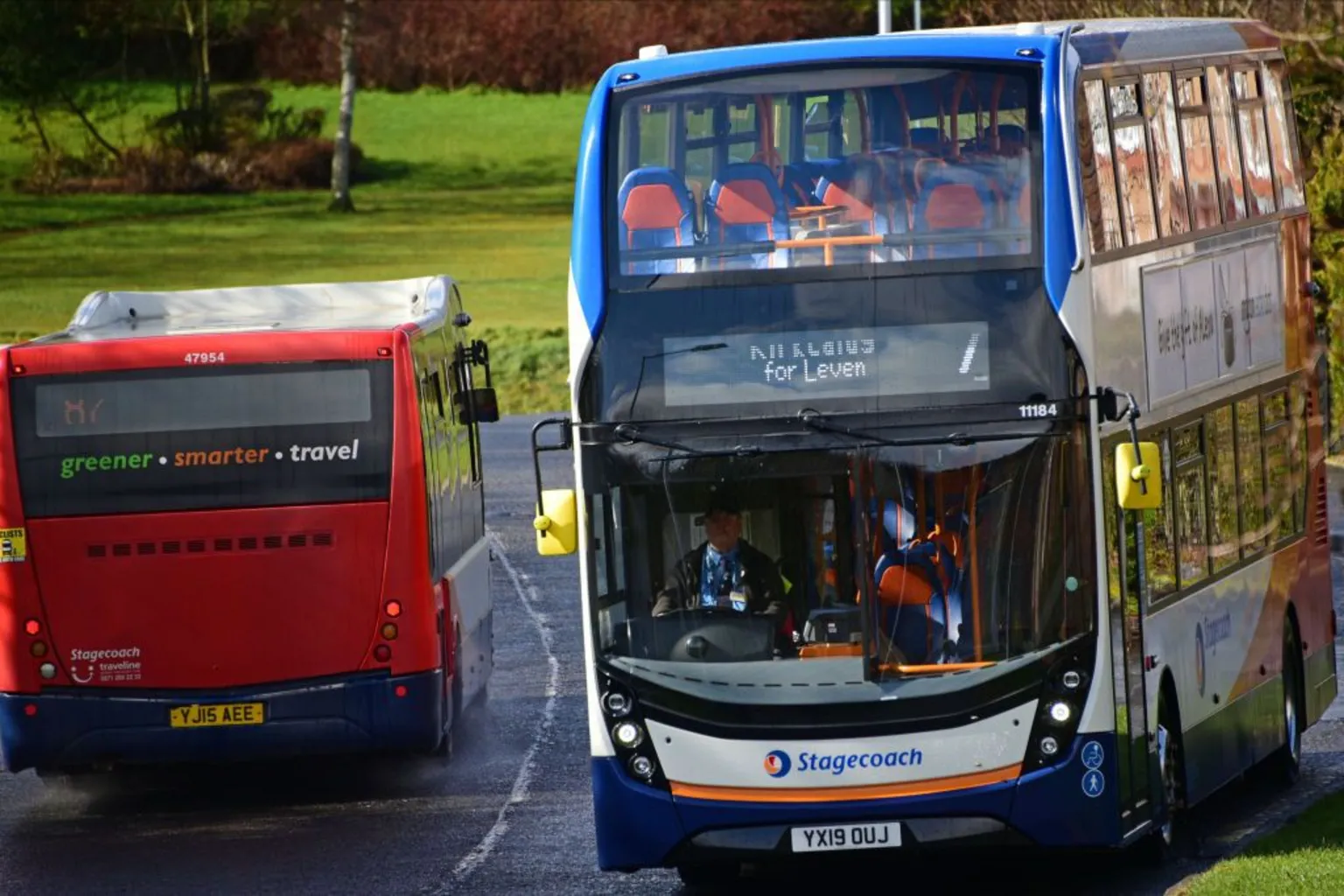
Background and Usage Statistics of the National Concessionary Travel Scheme
The National Concessionary Travel Scheme (NCTS) was introduced in January 2022 as part of policies advanced by the Scottish Greens in a budget agreement with the SNP.
Users simply tap their NEC cards when boarding buses.
In the 2021/22 financial year, approximately 3.5 million bus journeys were made by individuals aged 16 to 22. By the following year, the first full year of the scheme's operation, this number surged to over 33 million.
As of 1 April 2024, 838,992 young people—about 15% of Scotland's population—held a valid NEC pass, representing approximately 80% of eligible individuals.
Official data from Transport Scotland indicates that since the NCTS began, young people have taken 296,776,082 bus journeys.
Travel for children under five is already free on most services.
The scheme aims not only to alleviate the cost of living pressures but also to encourage a generation to prefer public transport over private car use.

The Scottish government spends around £472.7 million annually to operate the scheme.
The Greens advocate for expanding free bus travel to all residents in Scotland by bringing services under public control, a policy the SNP may need support from them to pass future budgets.
Concerns Over Anti-Social Behaviour Linked to the Scheme
While the scheme has been instrumental for young people like Poppy to work, study, and socialise, it has also been associated with an increase in anti-social behaviour on buses.
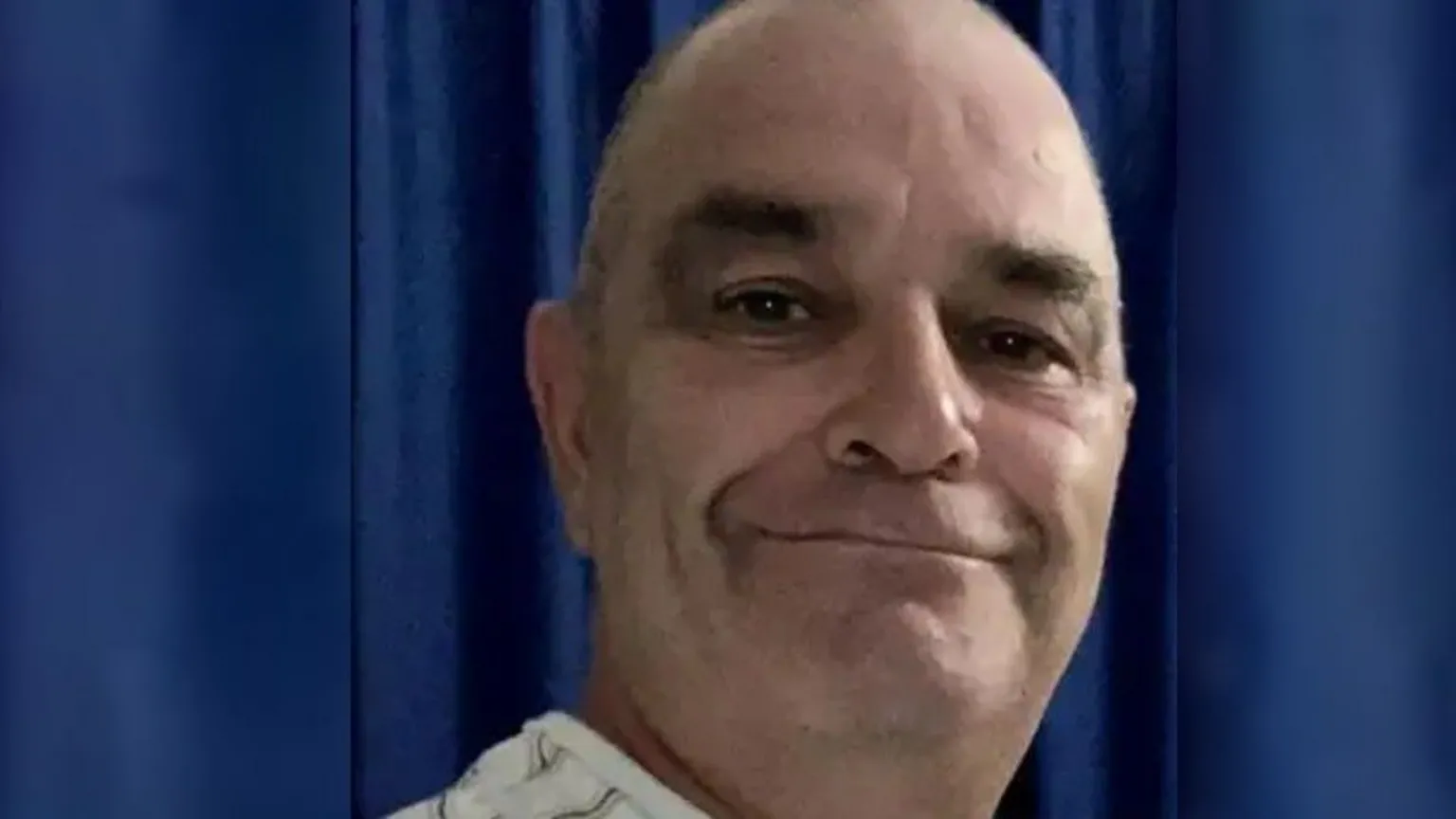
In February 2024, bus driver Keith Rollinson died of a cardiac arrest following an altercation with a 15-year-old youth in Elgin, Moray. Rollinson had refused the youth entry due to intoxication.
The youth "lost control" and assaulted the driver before being restrained by another individual.
The teenager, who cannot be named for legal reasons, was initially charged with murder but pled guilty to culpable homicide and was sentenced to four years and four months in prison.
In February 2024, the Scottish government stated there were "no guarantees" the youth would lose his bus pass after it was revealed he was eligible for early release in 2026.
Legislation was subsequently introduced before the last parliamentary session ended, allowing the government to suspend or withdraw travel privileges from cardholders who breach a newly established code of conduct. However, these rules are expected to be implemented later this year.
Jim Fairlie, then Minister for Connectivity, commented after the legislation's introduction:
"Our aim is to make the bus network safer by deterring unacceptable behaviour and, where necessary, removing the privilege of free travel.
Criminal behaviour will remain a matter for the police and justice system, but this policy forms part of wider efforts to improve community safety."
Rising Incidents and Responses from Operators and Unions
In Edinburgh, data obtained by the Local Democracy Reporting Service revealed a nearly 5% increase in reports of anti-social behaviour on Lothian bus services last year.
Last month, eight youths were charged following an assault on a driver outside Edinburgh's Royal Infirmary.
Bus operators First Bus and Stagecoach have previously withdrawn services in Glasgow due to repeated vandalism incidents.
Stagecoach also temporarily suspended its number 82 service in Dunfermline, Fife, in March after serious incidents involving vehicles being targeted with objects and windows smashed.
In Hawick, Borders Buses drivers were instructed to contact police after some after-school services were cancelled due to young people engaging in screaming, shouting, and anti-social behaviour.
The Unite union, representing approximately 8,000 bus industry workers across Scotland, supports the free bus pass in principle but calls for enhanced protections for staff.
Dougie Maguire, Unite's deputy Scottish secretary, stated:
"The incidence of anti-social behaviour is at record levels which is leading to unacceptable levels of physical and verbal abuse being directed at drivers and passengers.
We need bus companies and the Scottish government to adopt stronger preventative and protective measures on all buses such as CCTV.
This is complicated societal issue which needs a multi-agency response, because it's having a detrimental impact on communities, passengers and workers."