

Curlew Eggs Rescued from Wildfire Hatch Successfully
There has been a positive outcome for the eggs of a rare bird species that were dangerously close to a large wildfire earlier this year. Firefighters intervened during the blaze in Brookeborough, County Fermanagh, to save four curlew eggs, which have now hatched.
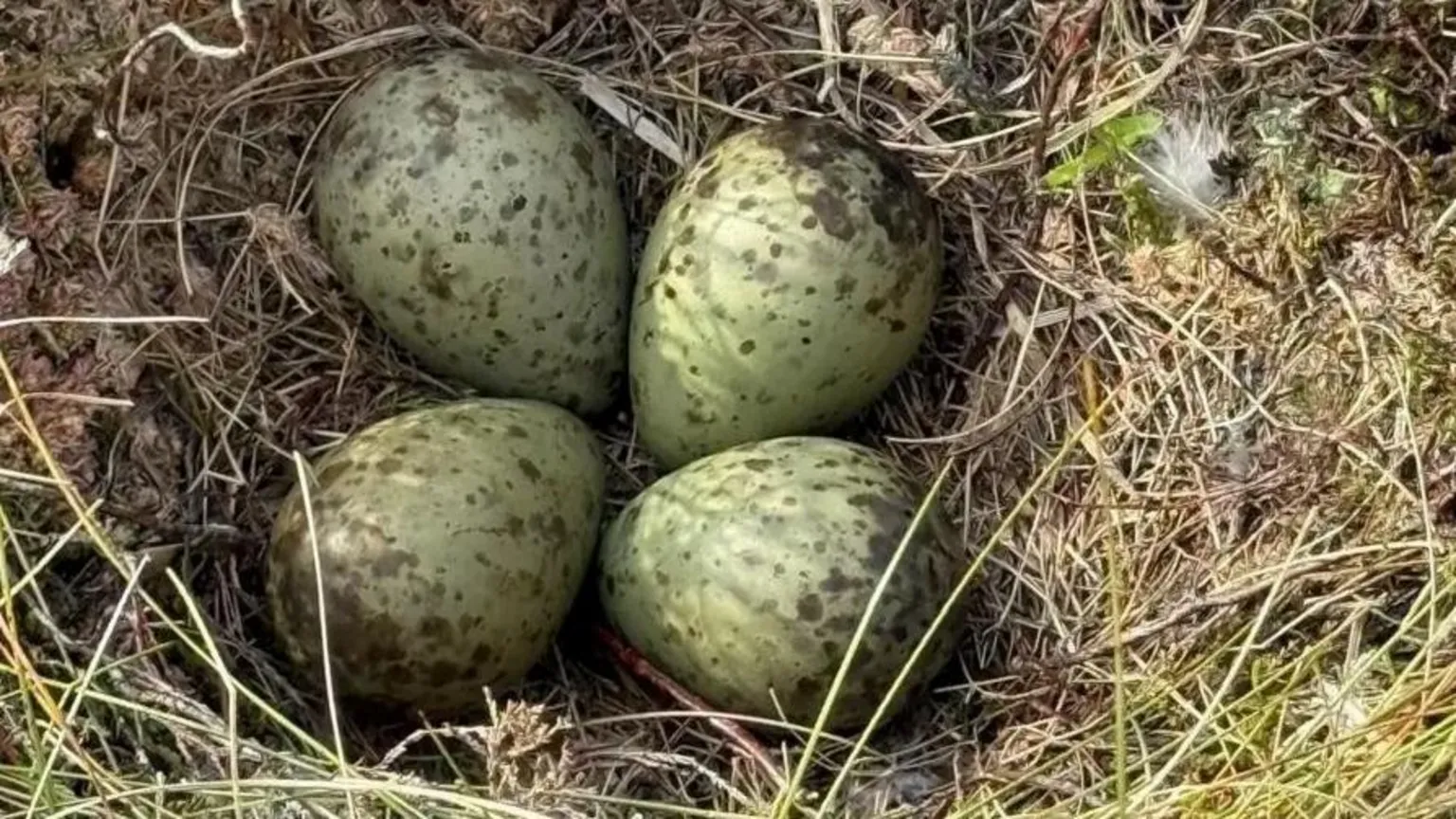
The chicks are planned to be released back into their natural habitat, a development welcomed by conservationists. The curlew, once commonly seen, has experienced a significant decline, with only about 150 breeding pairs remaining in Northern Ireland.
Firefighters and Conservationists Collaborate to Protect Curlew Nest
Róisín Normanly from the Royal Society for the Protection of Birds (RSPB) informed NI that the curlew nest had been secured with fencing for protection. However, within 24 hours, a wildfire erupted nearby.
At the peak of the incident, 85 firefighters were engaged in controlling the fire. Despite difficult conditions, they managed to safeguard the nest.
"The fire crews kept the fire back while we got into the eggs," Normanly said.
"The fire was about a metre from the nest when we got there, so it was really close to the bone. But we got there just in time."
The Northern Ireland Fire and Rescue Service (NIFRS) stated it collaborated with the RSPB to ensure the eggs were "safely removed for incubation," giving them a chance at survival.
Several organizations participated in the conservation effort, including the Forest Service, Conservation Detection Dogs NI, and the Sliabh Beagh Curlew Conservation Trust.
Normanly described the careful process of collecting the eggs: "They were collected very carefully, wrapped up individually and packaged into a biscuit tin" for transport to the incubation facility.

Incubation and Hatching of Curlew Chicks
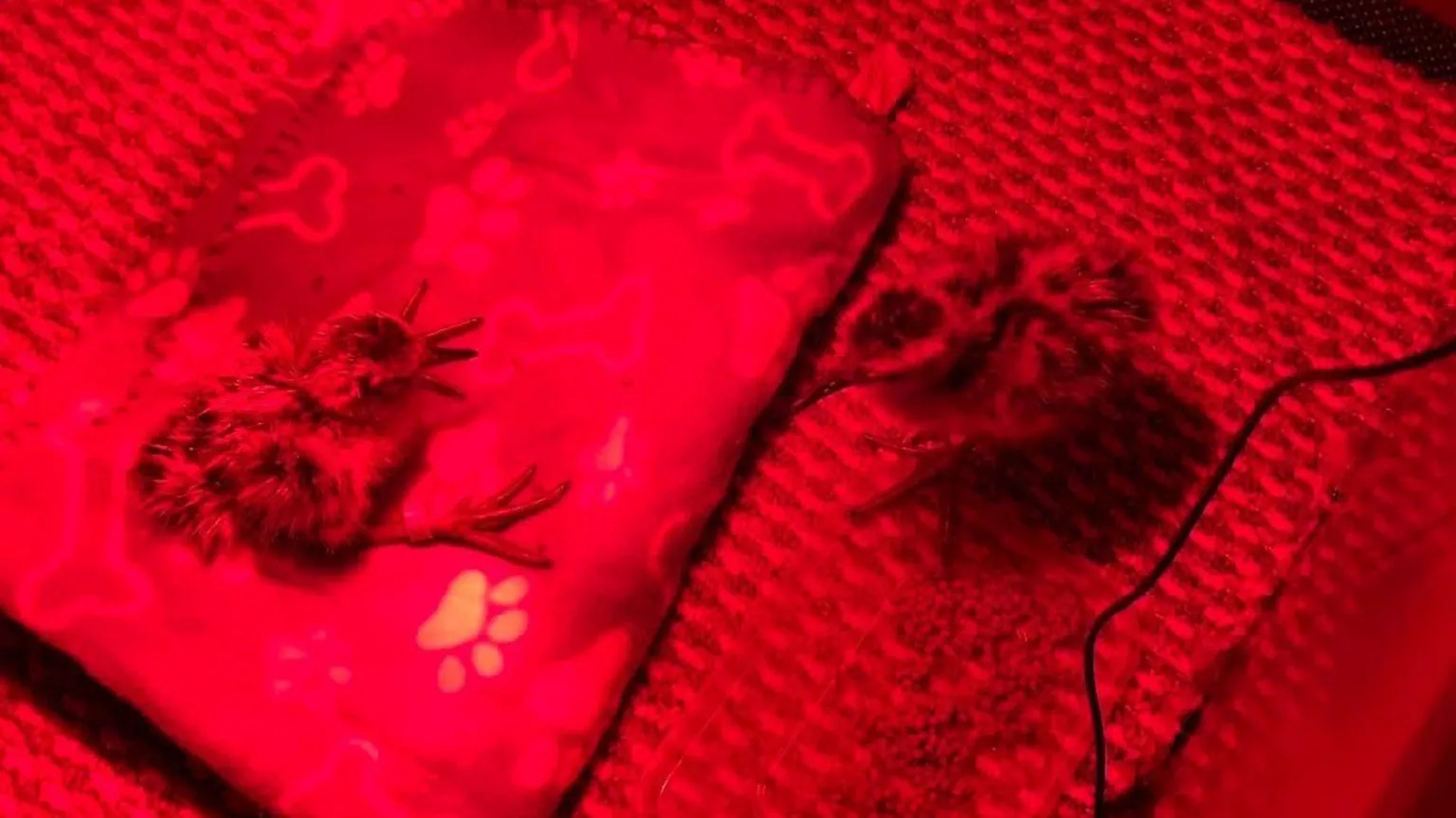
Dr John Cusack, Chairman of the Sliabh Beagh Curlew Conservation Trust, reported that the eggs were incubated for just under four weeks.
"All four [chicks] are happy and healthy and thriving and we're delighted about that," he said.
"We're going to release them and hopefully they'll do well after they are released back into the wild. Ideally, you want them to spend time with their parents, to be reared by their parents and learn the skills necessary. But it is still a very, very big deal."
Normanly noted that the chicks remain "quite vulnerable" but will be moved to bird pens when they reach about three weeks old. Once capable of flight and self-care, the RSPB intends to release them near their original location.
Conservation Success and Future Prospects
Dr Caroline Finlay, Director of Conservation at Detection Dogs NI, highlighted the significance of this achievement.
"There are birds who've been raised in captivity before, now nesting on Sliabh Beagh successfully, which is absolutely fantastic," she said.
"It's not a common thing, but it's great to see that this is possible. These chicks can go on and have their own nests and their own eggs and own babies eventually, so it's a great story."
Guidance for Spotting Curlews
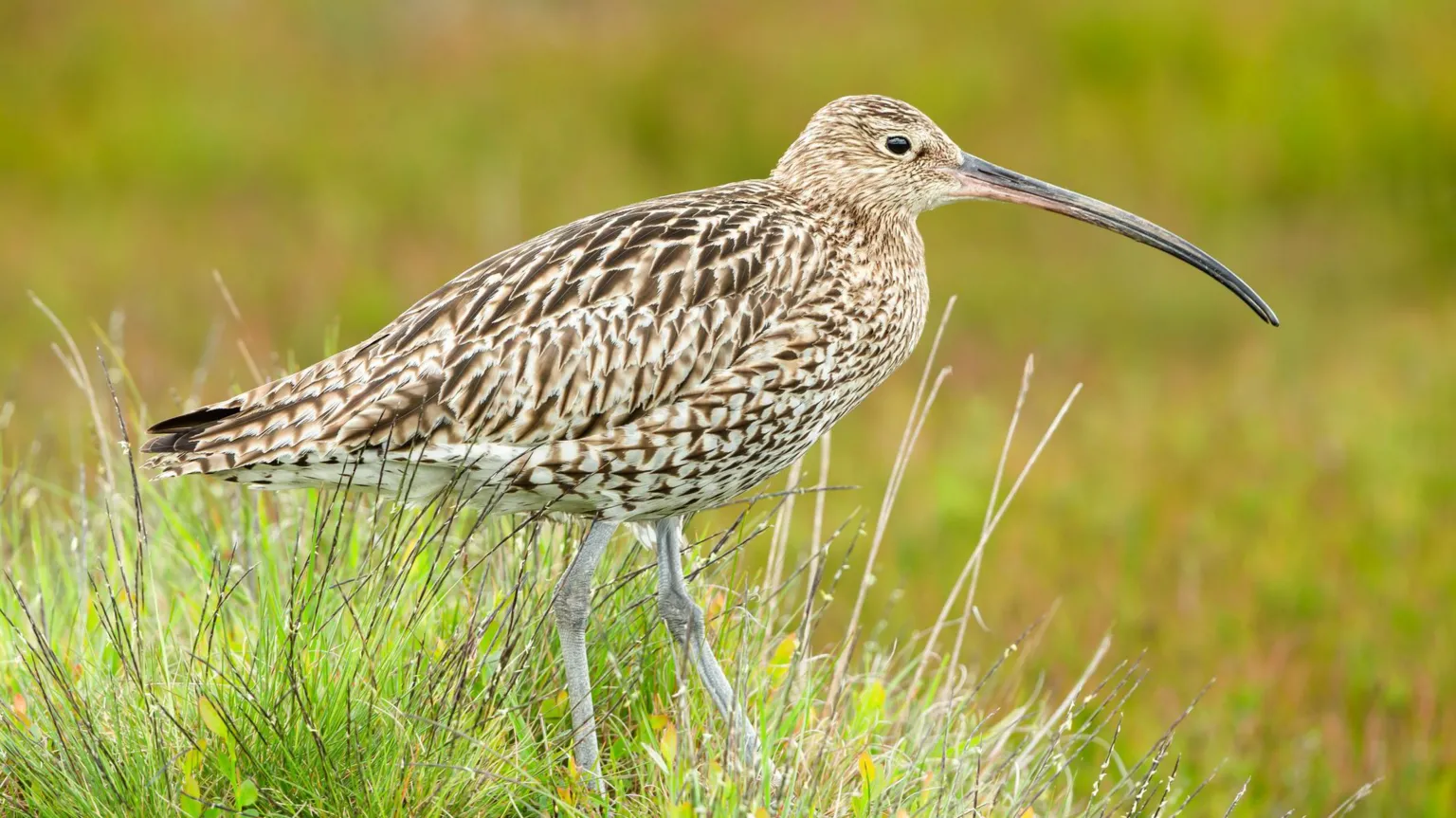
Finlay explained that curlews are well camouflaged, making them difficult to detect even when nearby.
"These birds are perfectly camouflaged," Finlay said, "meaning you can be standing a couple of metres beside one and miss it."
She urged anyone who spots curlews not to disturb the birds or their nests and to contact the RSPB or the Sliabh Beagh Curlew Conservation Trust. Additionally, she advised keeping dogs on leads to avoid disturbing the birds.
Recently, the Sliabh Beagh Curlew Conservation Trust shared footage on social media of a curlew with a nest and eggs.
Regarding this discovery, the trust stated: "For a species that has declined by over 98% in Ireland since the 1980s, this is a genuinely significant and hopeful conservation milestone."


