

Sentences Referred to Court of Appeal
The sentences of boys who were spared custody following the rape of two girls in Hampshire are to be referred to the Court of Appeal, the prime minister has announced.
Sir Keir Starmer stated:
"There are questions about the sentence. The attorney general has power to refer a case to the Court of Appeal if they thought the sentence is too lenient".He added that this power had been
"now exercised"and described it as
"clearly the right outcome".
Two girls, aged 15 and 14 at the time, were raped in separate incidents in Fordingbridge in November 2024 and January 2025 by two 14-year-old boys. Additionally, a 13-year-old boy was convicted for his involvement in the second attack.
The attorney general, Lord Hemer, emphasized that the government would not tolerate what he described as
"an epidemic of violence against women and girls in this country".
The teenagers received youth rehabilitation orders (YRO) and left court with a total of 10 rape convictions between them.
During a visit to East Sussex on Monday, the prime minister commented on the case:
"I think it's a really distressing case. I think it's distressing for everybody to see, to hear about."He praised the
"courage"of the victims and expressed that he found the case
"distressing as a politician"and
"as a father".
Lord Hemer Highlights Victims' Bravery and Government Action
Lord Hemer said:
"There has understandably been a huge amount of public interest and concern at this horrific case.
I directed my officials to work urgently to allow me to consider this decision swiftly, and to begin to bring closure to the victims and their families.
It is clear to me from their powerful personal statements that these girls have displayed immense bravery in coming forward.
There is an epidemic of violence against women and girls in this country, and this government will not hesitate in taking action to ensure all women and girls feel safe and have confidence in the justice system."
One of the victims, speaking anonymously with her family to the BBC, described the judge's decision to spare the boys from jail as
"like a rock straight in my face". She said the ruling
"almost made it seem as if what the boys did was not OK, but it was OK in the eyes of the law because they were still children".
French rape survivor Gisèle Pelicot, who headlined this year's Hay Festival in Wales, told BBC Breakfast she
"saluted the strength"and courage of one of the young girls for speaking out after the attack. She added she was
"deeply shocked that these individuals were in fact able to gain their freedom again when in fact the victims are suffering so hard they will never be able to heal".
Details of the Trial and Sentencing
The boys, whose identities are protected due to their age, denied the charges but were found guilty in March after a trial at Southampton Crown Court.

Judge Nicholas Rowland explained his sentencing decision on Thursday, stating:
"I should avoid criminalising these children unnecessarily and understand the effects of their behaviour and support their reintegration into society."
The judge acknowledged the seriousness of the crimes, noting that the filming of the assaults exacerbated their severity. However, he emphasized the boys' young ages and concluded:
"None of you need to go to prison today."
Two of the boys' mothers were seen crying as the sentence was delivered.
Details of the Attacks
The first girl, aged 15, was raped three times in an underpass by the River Avon in Fordingbridge. Prosecutors stated she was pressured into sex while being filmed and feared she might be thrown into the river if she did not comply.
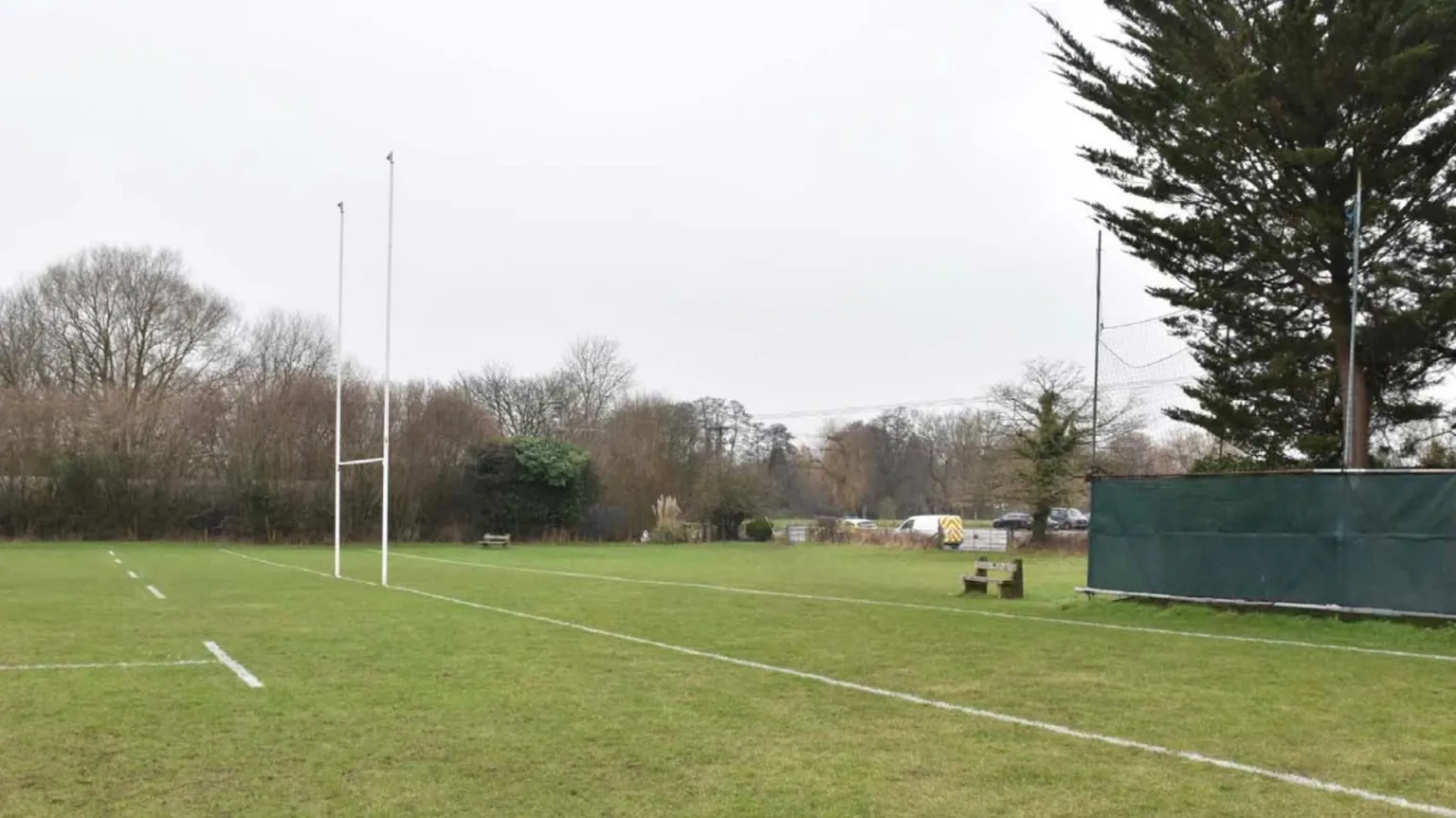
The second girl, aged 14, met the boys at Fordingbridge Recreation Ground and was repeatedly raped in a nearby field. One defendant pushed her down and used a knife to cut her clothing before forcing himself on her.
The boys recorded the assaults on their phones and shared some footage online. Prosecutors described the footage as showing the second victim lying motionless on the ground with
"her face buried in her hands", while the person filming encouraged the attacker.
The court heard the girls were
"significantly outnumbered"and endured prolonged ordeals.
Legal Process for Sentence Review
Judges typically do not publicly comment on cases they oversee to avoid undermining their court statements, but they must provide reasons for their sentencing decisions in court.
Anyone may complain that a sentence is too lenient. Such complaints are directed to the attorney general, a cabinet minister and the government's chief legal adviser.
The attorney general consults senior prosecutors to determine if the sentence aligns with expectations, considering judicial discretion and comparable cases.
If the attorney general finds the sentence inconsistent with standards, he refers it to the Court of Appeal. There, three senior judges review the case in a public hearing and decide whether the sentence was appropriate or unduly lenient.


