Rising Demand and Funding Shortages Create Waiting Lists
Current plumbing students at Coleg y Cymoedd have expressed that they found "focus" and "purpose" through their courses.
College leaders have warned that hundreds of teenagers are on waiting lists for courses due to insufficient funding to meet record applicant numbers. Entry-level courses in fields such as construction and health and social care are among the most overd for the upcoming September intake.
"I found a purpose for what I could do for my life and something I actually enjoy," said one 18-year-old student reflecting on his college experience.
The Welsh government has been approached for comment regarding the situation.
Concerns Over Young People Not in Education, Employment, or Training
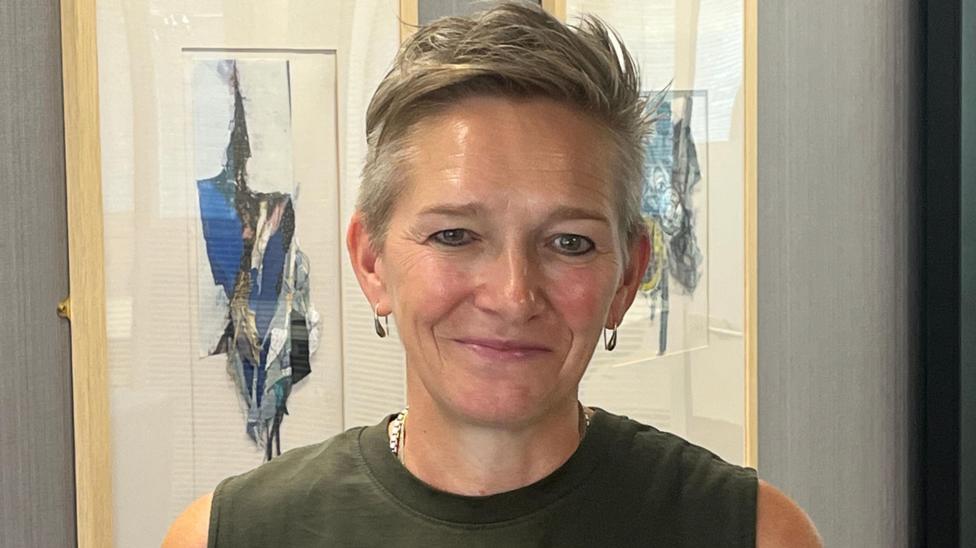
Yana Williams, chief executive of Coleg Cambria in northeast Wales, which currently has waiting lists for 44 courses, cautioned that this issue could increase the already concerning number of young people classified as not in education, employment, or training (Neet).
"Almost all our places, entry and level one, are now full," Williams stated, noting that the college has experienced a rise in applicants for two consecutive years, resulting in many teenagers being placed on waiting lists.
Entry and level one courses are below GCSE level and typically serve young people who have either not taken or not passed their exams.
"Unless we have that money soon we can't recruit new tutors, we can't have any more courses and we will be turning learners away in September," she added.
"There is nowhere else for learners to go if they don't come to a college, but at this moment in time the college can't offer any more places than it has."
Coleg Cambria operates five sites, including campuses in Wrexham and Deeside. In South Wales, Coleg y Cymoedd, which serves Rhondda Cynon Taf and Caerphilly, faces similar challenges.
Efforts to Accommodate Growing Numbers
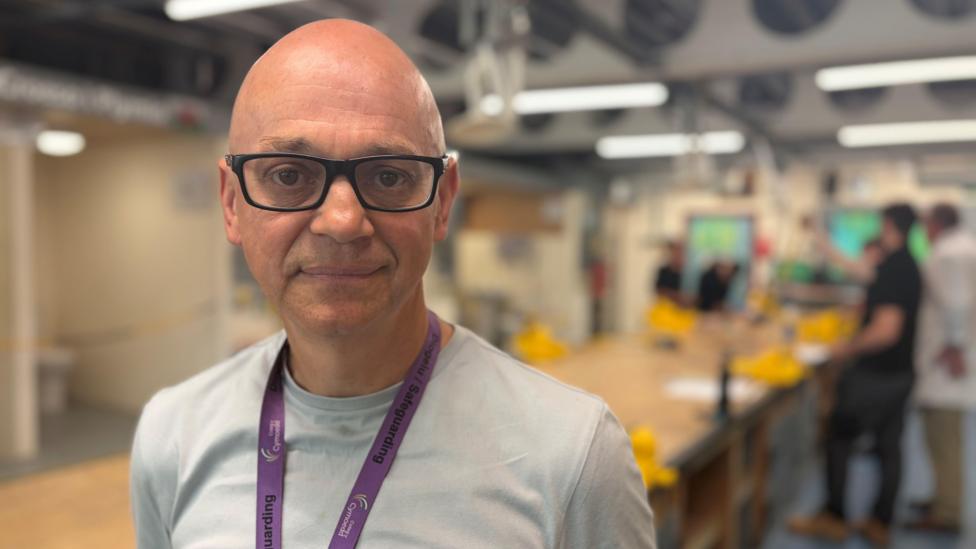
Jonathan Morgan, principal of Coleg y Cymoedd, explained that the college has implemented temporary buildings, converted classrooms into workshops, and increased staff numbers, having "stretched every lever" to manage demand. The college has funding for 4,600 learners but has received applications from 6,000.
"We've made offers to 5,500 learners, but that leaves us a gap of 500 learners, which we're unable to make offers to at the moment, and we're having to hold them on a waiting list."
Morgan noted that demand is highest for courses such as construction, engineering, creative industries, digital and IT, health and social care, and childcare.
"There is going to be uncertainty for many young people, which is really, really unfortunate and a situation that we would not want to be in," he said.

Factors Contributing to Increased Pressure
Morgan and Williams identified several reasons for the increased pressure on places and budgets. More learners are entering college at lower levels and remaining beyond the usual two-year period. Additionally, the population of over-16s has grown, and learners who were home-schooled and are now applying for college are not included in funding calculations.
Student Experiences Highlight Importance of College Access
Joshua Walker, 18, an electrics and plumbing student from Pontypridd, shared his experience:
"Before I went to college I felt lost. When I was first here, I felt like I found something I want to do."
Carrick Swannack, also 18 and from Porth in Rhondda Cynon Taf, switched from another course to plumbing after struggling in school and described his experience as "so far it's been amazing."
"I think it always should be funded for young people because obviously this is the future for us," he said.
Similarly, 19-year-old Finleigh Clark from Aberdare explained that the traditional school environment was not suitable for him.
"The school environment wasn't really for me. I couldn't sit down in a classroom and do work. It wasn't the right environment for me at all."
He added, "When I attended a college open day I saw the plumbing and the electrics workshop and I was like 'oh my god this is a bit of me'."
Impact on Neet Figures and Funding Challenges
Yana Williams emphasized that turning students away contributes to the number of young people not in education, employment, or training.
Colleges Wales, representing further education colleges in Wales, reported a £30 million funding shortfall starting in September amid record application levels. With funding for fewer than 46,000 learners, they anticipate over 50,000 enrolments, leaving hundreds on waiting lists.
Funding for additional students was £21 million last year but has been reduced to £6.5 million for the 2026-27 academic year.
"But young people across our region deserve the opportunity to come to college and to study on courses that they're passionate about so they can lead meaningful lives going forward into the future," Morgan said, while acknowledging the pressures on public sector finances.
National Context and Neet Statistics
Earlier this year, a UK government report warned of a "lost generation" facing diminishing job and career prospects. Data from the Office for National Statistics indicated that 13.5% of all 16-24 year olds in the UK were classified as Neet. Latest figures for Wales, based on different external data, suggest a higher rate of 17%.