

Residents Displaced Following Ground Movement Discovery
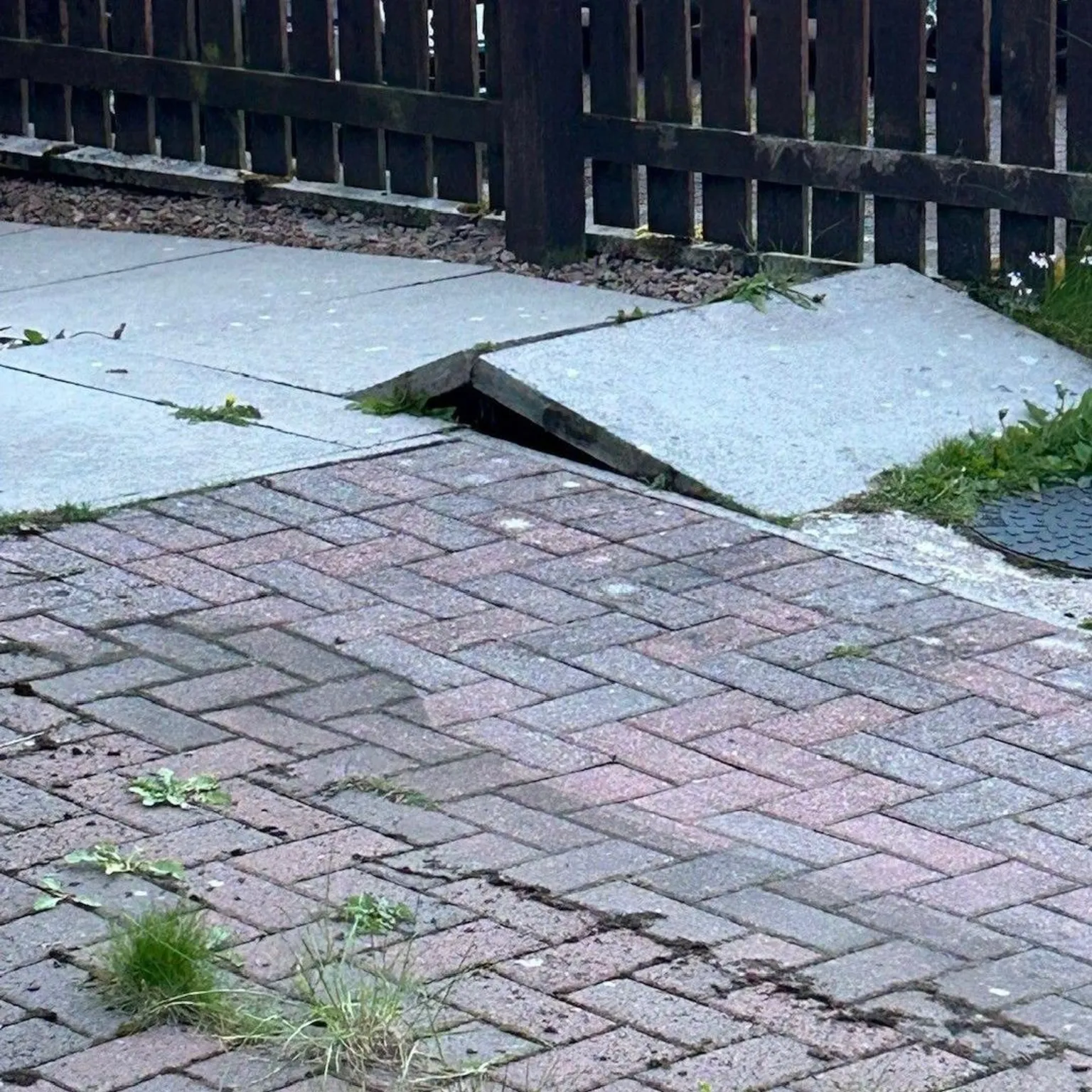
Residents of Benbuck View, a street in the former mining village of Coalsnaughton, Clackmannanshire, were evacuated on 18 May after ground movement was detected. This marked the first of four streets to be evacuated due to reports of "unsafe structures". Currently, 97 properties across the area remain unoccupied as investigations continue into the cause of the ground instability.
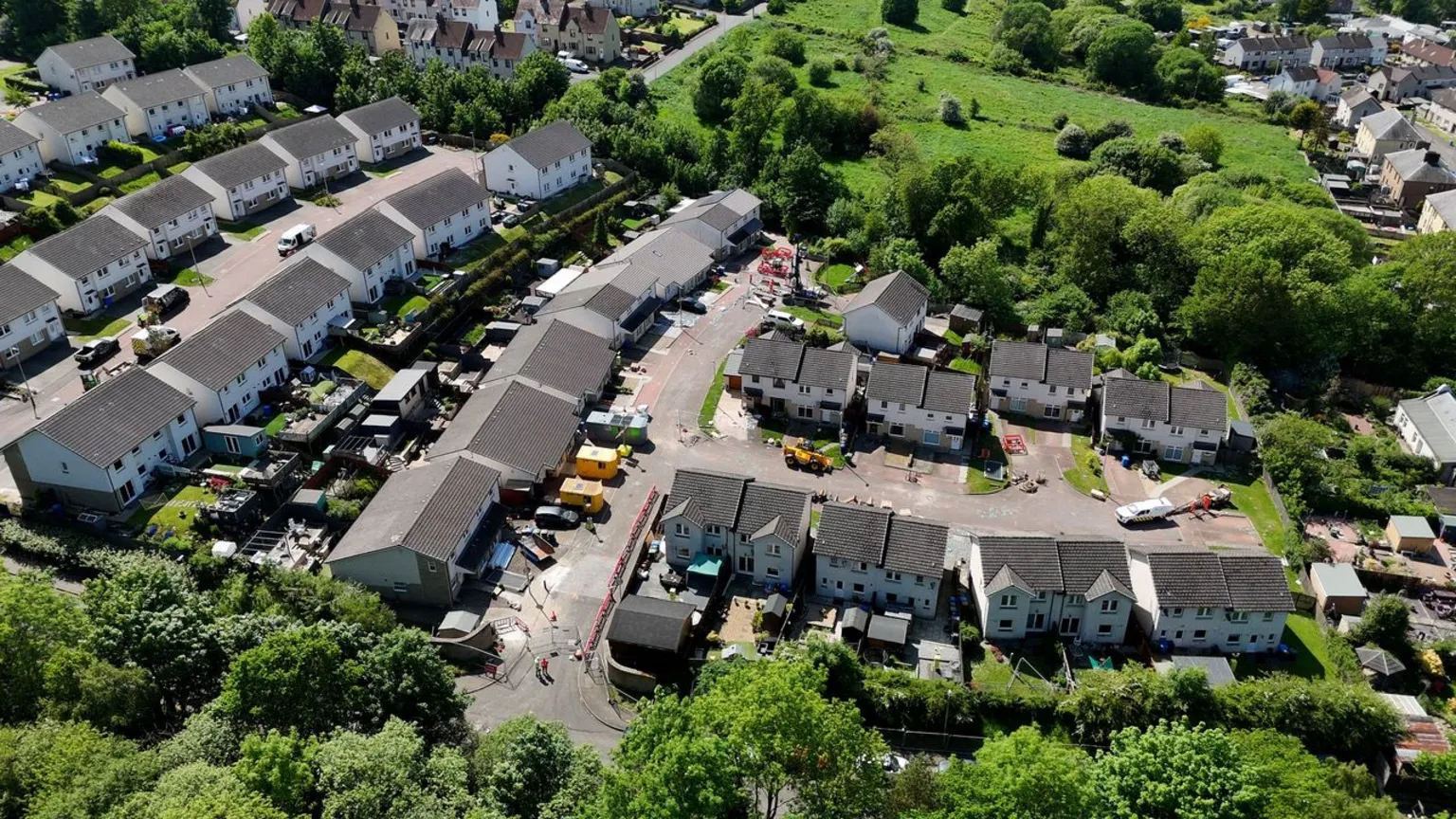
In a collective statement, the residents of Benbuck View expressed their distress over the situation, highlighting the lack of a confirmed cause, an unclear timeline for returning home, and uncertainty about future developments.
"We were uprooted in an instant.
Our children were woken by unfamiliar faces and told they could not stay in their own beds that night.
We were displaced from our homes, our community, our friends and our support networks, and plunged into the unknown."
The residents have appealed for comprehensive national-level support, appropriate temporary accommodation, and a coordinated response to address their needs.

First Minister John Swinney and Justice Secretary Neil Gray visited Coalsnaughton on Friday to engage with residents and partner agencies involved in the response.
Evacuations Extend to Additional Streets
Following the initial evacuation, residents in 28 properties on Nechtan Drive and nine properties on Langour were instructed to leave their homes on 29 May. These evacuations came after 60 properties in Benbuck View and Dunmoss View were vacated the previous week.
Clackmannanshire Council and the Mining Remediation Authority (MRA) have announced that investigations into the ground movement will continue for an additional eight weeks.
Residents’ Concerns and Living Conditions
The displaced residents have reported a range of living arrangements during this period. Some have stayed with family members, while others have been placed in hotels or temporary accommodations. Several residents have criticized some of these accommodations as being substandard.
Residents emphasized that the eight-week timeline pertains solely to ongoing investigation and testing, and does not represent a definitive date for their return.
"It is not a countdown to normality.
As we understand it, it is the current estimated timescale for further investigation and testing.
That testing must provide clear evidence on what is causing the ground movement and what risks remain.
If mining cannot be ruled out, or if ground movement continues, residents need to know who is taking responsibility, what support will be provided, and what happens next."
Key questions raised by residents include whether mining activities can be definitively excluded as the cause of the ground movement, the evidence supporting such conclusions, and the conditions required before it is safe to return to their homes.

The residents described their situation as "an open-ended emergency," emphasizing the prolonged nature and uncertainty of their displacement.
"This is no longer a short-term emergency or a matter of finding somewhere to sleep for a few nights.
Our families could be displaced for many more weeks, potentially longer, with no guarantee that eight weeks brings us home.
We now need safe, secure and suitable accommodation where we can cook, wash clothes, care for our children, work, attend school and nursery, and live with some level of normality while investigations continue."
While expressing gratitude to the local community, volunteers, Clackmannanshire Council, and local politicians Keith Brown MSP and Brian Leishman MP for their continued support and advocacy, residents acknowledged challenges faced by the council in securing appropriate accommodation.
They noted that Clackmannanshire Council has admitted difficulties in sourcing suitable housing options.
"We recognise the pressure the council is under and remain grateful for the support provided so far.
But this situation is now beyond what a small local authority can reasonably manage alone."
The residents stressed the importance of clear accountability and support, warning against being left to bear the costs and consequences if responsibility remains unresolved or disputed among agencies.
"This is not just bricks and mortar.
These are our safe spaces, our lives, our savings, our memories and our belongings, all locked inside homes we still do not know when, or if, we will be able to return to.
This is not just ground movement. It is our families, our homes and our lives being turned upside down."
Government Response and Support Measures
Following his visit, First Minister John Swinney confirmed that the Scottish Government had activated the Bellwin Scheme, which provides emergency financial assistance to local authorities.
"We'll be in constant dialogue with the local authority to make sure the community is well-supported for what I recognise to be a very difficult situation."
Addressing concerns about the quality of temporary accommodation, Swinney emphasized the importance of ensuring all affected individuals receive proper support and access to quality housing solutions.
"If people have had to leave their homes in very short order, it's enormously distressing and stressful for them.
So, we've got to make sure that solutions are put in place that assist individuals.
Clackmannanshire Council is working with individuals to try to do that.
But I've made clear that the Scottish government will want to support the council and its efforts by collaborating with other housing associations, other local authorities to try to find solutions that will meet the needs of individuals."
Local Authority and Partner Agency Actions
Following a multi-agency meeting, Clackmannanshire Council leader Ellen Forson acknowledged the significant impact of the ongoing incident on residents and the uncertainty they face.
"During the visit I stressed the significant impact this major, ongoing incident is having on the affected residents and the uncertainty and disruption they face.
Our thoughts remain with all those impacted by this incident.
We will continue to work closely with our partners and do everything possible to support residents and families through what remains a very challenging time."
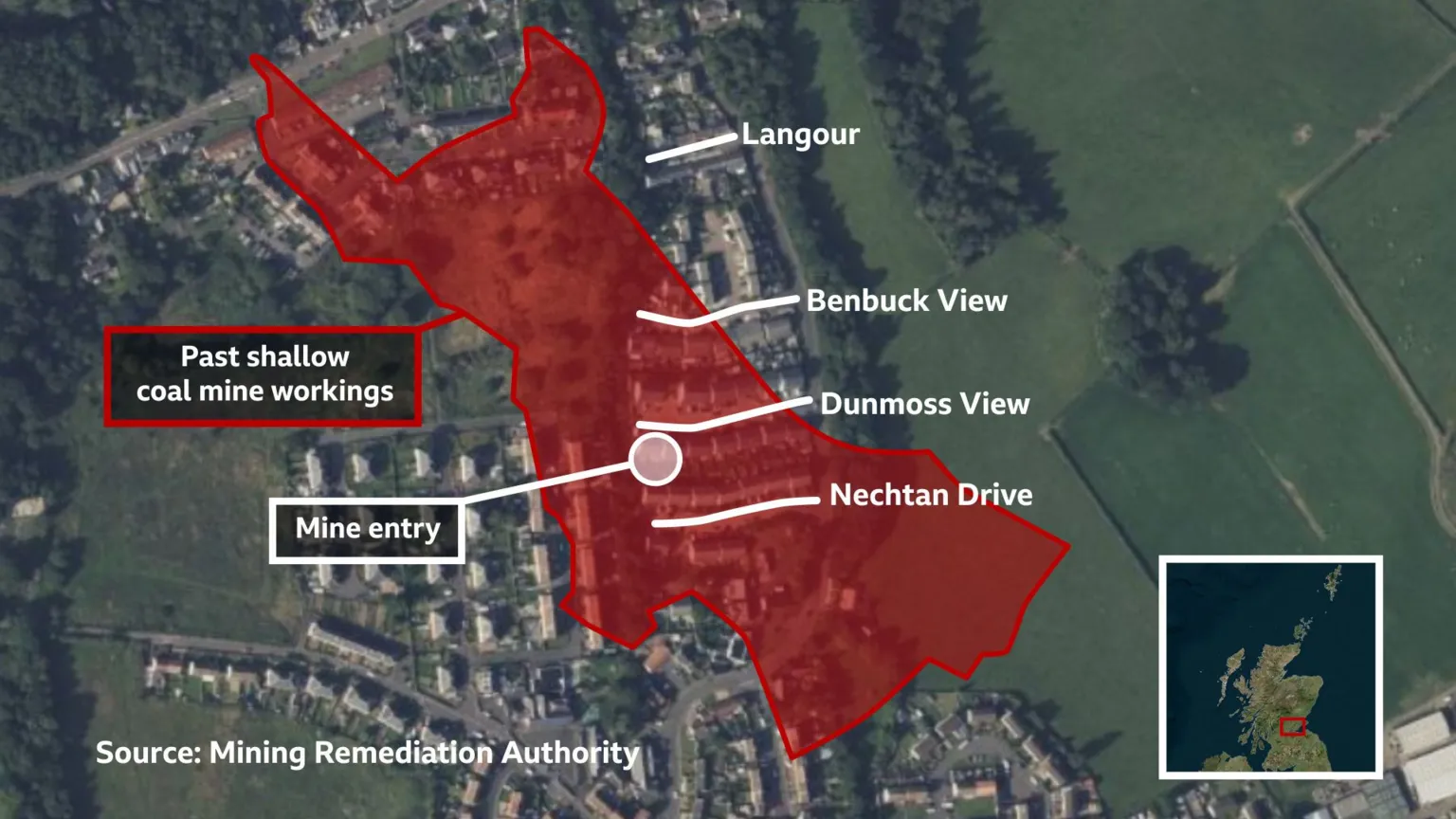
An online map provided by the Mining Remediation Authority indicates the presence of a mine entry at what is now Dunmoss View, with the area identified as having "past shallow coal mine workings."
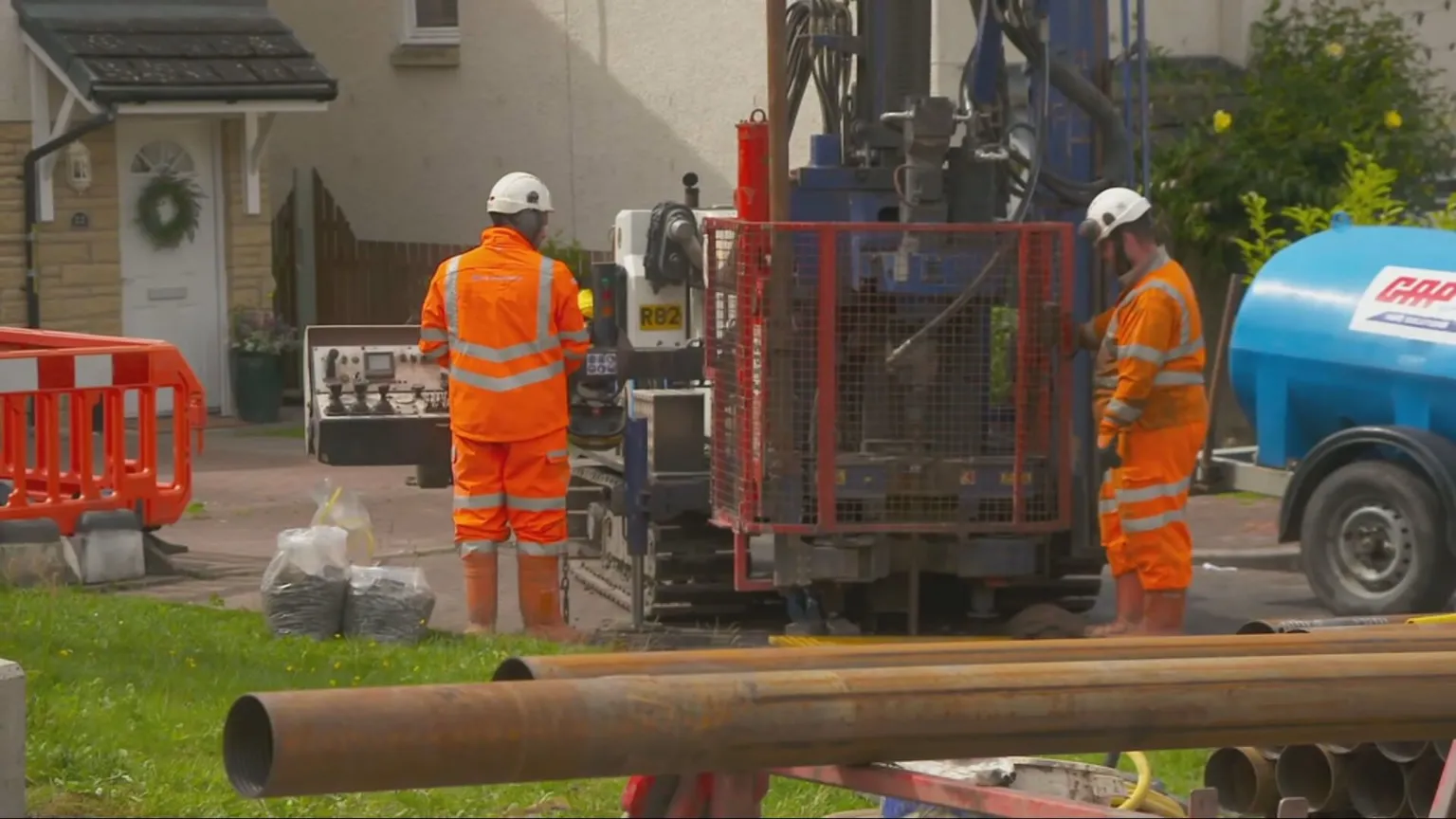
The MRA has stated that work is progressing "at pace" to determine the cause of the ground movement.


