

New Flamingo Chick Hatches at Paradise Park
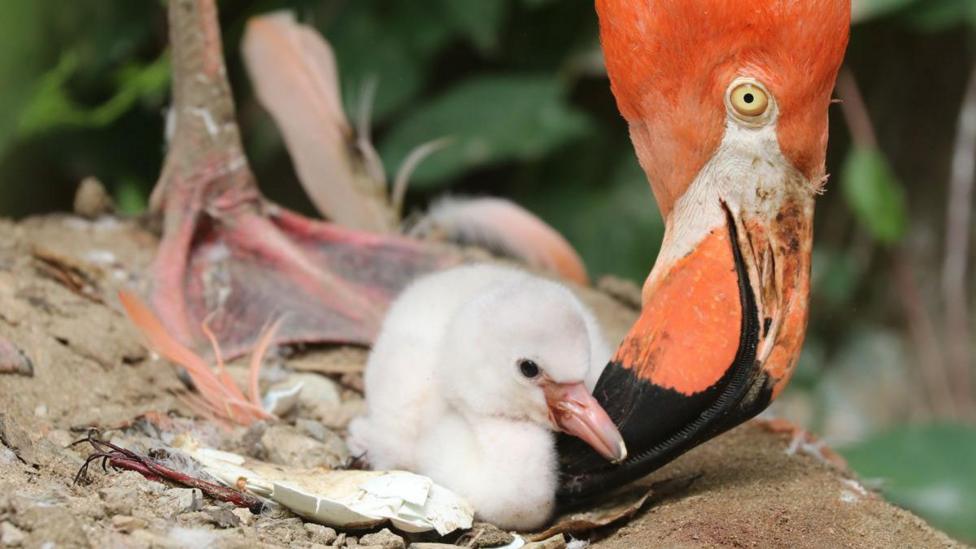
Paradise Park Wildlife Sanctuary in Hayle, Cornwall, has announced the hatching of a Caribbean flamingo chick, marking only the third such chick to hatch at the park. The sanctuary staff described the event as "wonderful news."
The chick is a sibling to Derek, hatched and hand-reared in 2019, and Frankie, who hatched in 2025 and was parent-reared before escaping and flying to France. The new chick is currently being reared by its parents on their nest within the park's flamingo lagoon.
Flamingo Colouration and Development
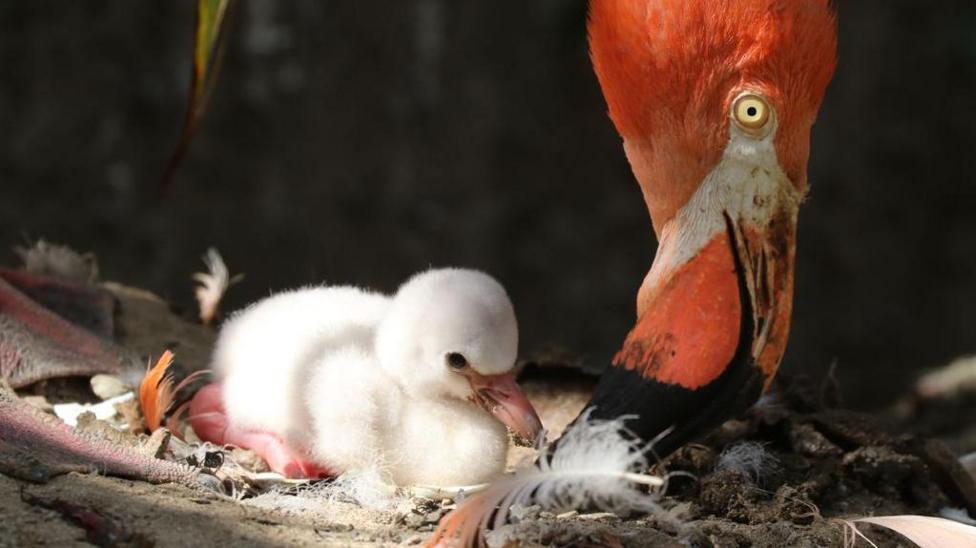
Caribbean flamingos are not born with their characteristic pink plumage. Their distinctive colour develops from carotenoid pigments found in their diet.
The pigmentation is derived from the carotenoid pigments they consume, which influence their vibrant pink colouring.
Staff Observations and Care
Becky Waite, head of softbills at Paradise Park, explained the visibility and staff attachment to the chick:
"When a flamingo chick hatches it is not hidden in a nestbox or hut, they are visible on the nest mound from day one so it's not surprising that all the staff become attached to the new arrival very quickly."
The chick's sibling Frankie escaped and flew to France in November 2025, with the last sighting reported in Finistère in December.
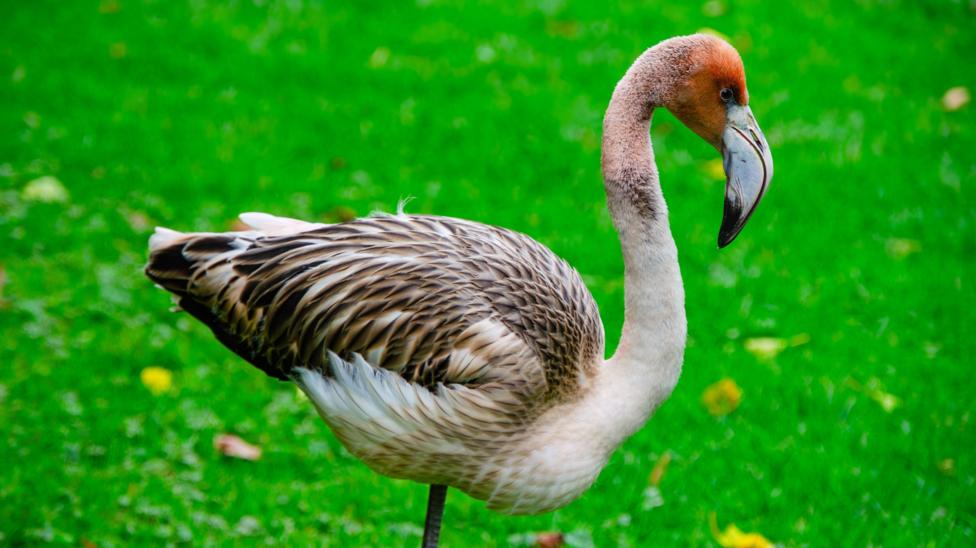
"Frankie captured our hearts and grew into a fine young bird," Waite said. "This year we hope the new chick will do the same, but we will, of course, do things differently so she stays with the flock."
Park Director Comments and Visitor Engagement
Alison Hales, director of Paradise Park, noted the rarity of flamingo hatchings at the sanctuary:

"We don't have a large flock of flamingos, and the new chick is only the third to have hatched at the park.
Visitors can get really close to the lagoon where the birds build their nests out of mud, so they become fully engaged in the whole laying, incubating and hatching process which happens over the summer months.
And there's a webcam so they can keep up with progress at home as well."
Caribbean flamingos can live up to 40 years and begin breeding at around six years of age.
Curator's Insights on Chick Development
Curator David Woolcock shared details about the chick's early development:
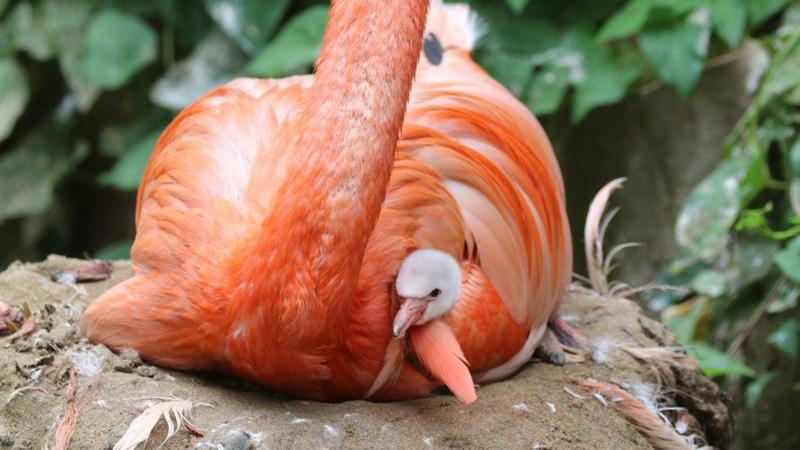
"This is wonderful news, the chick hatched overnight and by 07:30 BST on Thursday was already looking out from beneath its mum's wing."
"If all goes well, the chick will develop quickly, gain strength in its legs and start to venture off the nest in a few days.
The parents feed [the chick] a special high-energy red liquid known as crop milk direct into the beak of the chick, and this is crucial for the first weeks of the chick's life before it transitions to eating adult food."
Conservation Status and Flamingo Behaviour
Becky Waite also commented on the conservation status of Caribbean flamingos:
"The Caribbean flamingo was under pressure from human disturbance and loss of habitat but had a large native range across the Americas, and there had been re-introductions in areas where habitat restoration had taken place."
Paradise Park noted that flamingos form strong pair bonds, typically laying a single egg, with both male and female feeding the chick using crop milk.
The birds have a lifespan of up to 40 years and reach breeding maturity at six years old.
Additional Information
For updates, visitors can follow BBC Cornwall on X, Facebook, and Instagram, or send story ideas to spotlight@bbc.co.uk.
- Escaped flamingo doing 'extremely well' in France
- Flamingo 'on the run' from wildlife sanctuary
- First flamingo egg of 2025 laid in Cornwall
Related Internet Links
Additional resources and links are available through the sanctuary and BBC Cornwall.


