

Birmingham City Council Fines Itself Over Clean Air Zone Breaches
Birmingham City Council has incurred charges exceeding £470,000 by paying daily fines to itself due to breaches of its own Clean Air Zone (CAZ) regulations by council vehicles.
Despite a year-long bin strike in the city, the majority of vehicles subject to daily charges originated from the waste department.
The council reported that it has been replacing non-compliant vehicles over the last 12 months and is promoting "eco driving" practices across its fleet. However, it acknowledged that approximately one in eight of its vehicles still fail to meet the CAZ emissions standards.
Since the CAZ scheme was introduced in Birmingham city centre in 2021, council-owned non-compliant vehicles have accumulated 3,262 daily charges and fines, amounting to a total of £472,253.
Government commissioners have been collaborating with Birmingham City Council since the council issued a Section 114 notice in 2023, effectively declaring bankruptcy. In March of the same year, the council's then Labour leadership announced its first balanced budget in three years.
The volume of daily charges and fines paid by Birmingham City Council is approximately 20 times higher than any other UK council operating a CAZ, Low Emission Zone (LEZ), or Ultra Low Emission Zone (ULEZ) that disclosed similar payments for breaching their own emissions standards.
Funds collected from charges and fines contribute to the CAZ's operating costs and some government fees. Any surplus must be allocated to transport or environmental initiatives and cannot be redirected to the council's general funds.
Community Impact and Food Bank Challenges
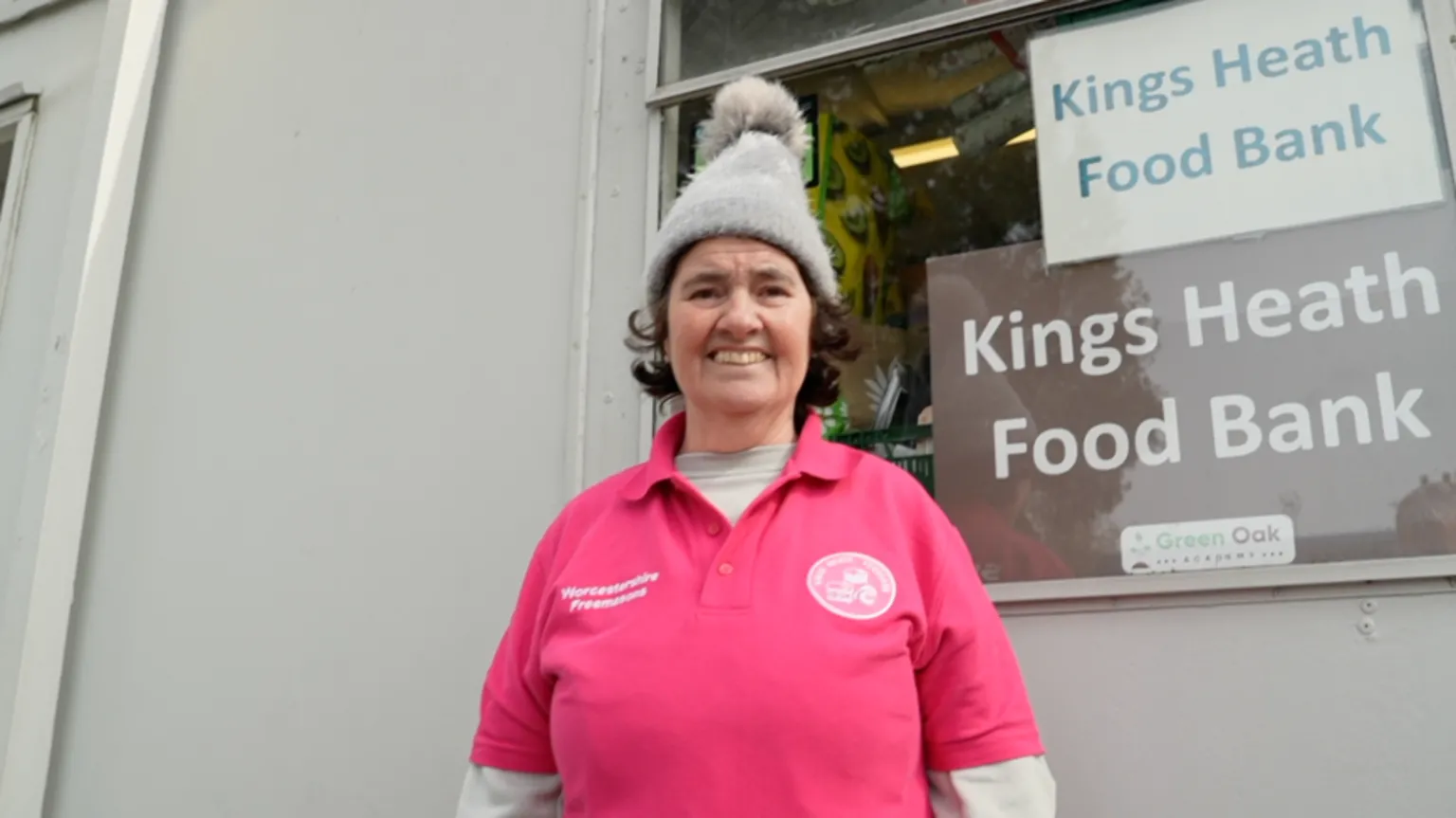
"The country's in this state: people are having to choose to heat or eat and they're [the council] spending money right, left and centre. It's absolutely appalling."
— Sharon Power, Kings Heath Food Bank coordinator
Food bank organisers reported that their operations depend heavily on volunteer goodwill, but some volunteers are unable to afford the city's CAZ charges.
They indicated that a reduction in volunteer drivers transporting donations has led to the food bank assisting only half the number of people weekly compared to before the CAZ's introduction in 2021.
The food bank requested an exemption for its volunteers from CAZ charges, but the council declined this request.
Clean Air Zone Charges and Enforcement
Under the CAZ scheme, vehicles that do not meet emissions standards are subject to daily charges: £8 for cars, vans, and taxis, and £50 for heavy goods vehicles (HGVs) and coaches, unless a valid exemption applies.
The scheme is enforced via Automatic Number Plate Recognition technology, which monitors vehicles traveling within the city ring road.
Failure to pay the daily charge within six days results in a £120 fine, reduced to £60 if paid within 14 days.

Volunteer Driver's Experience with Fines
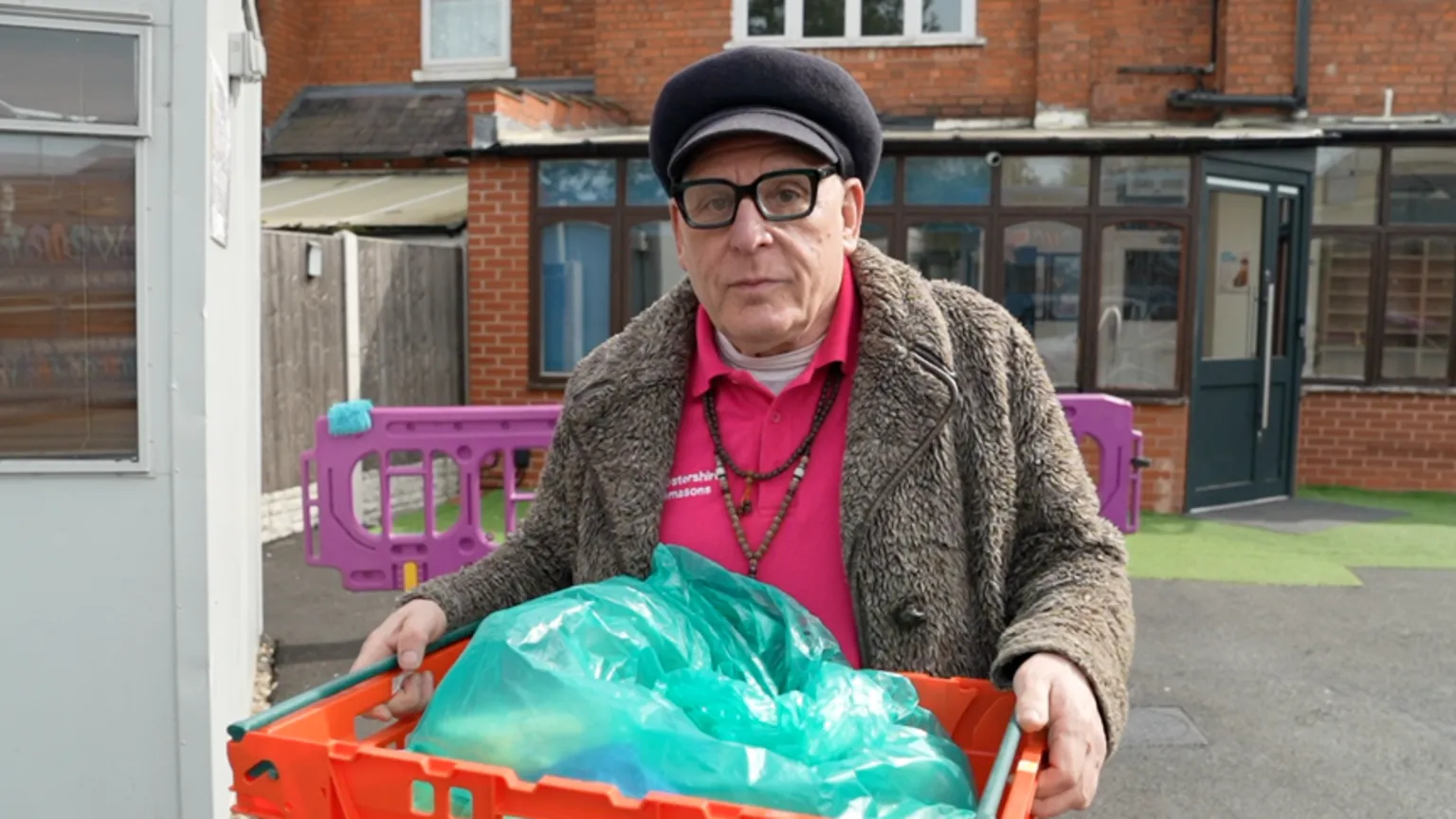
Volunteer driver Pete Hammond was mistakenly issued fines totaling approximately £800 for his food bank trips, which was unexpected as his new car model matched his previous one.
The council required Pete to obtain documentation from the vehicle manufacturer confirming compliance with CAZ regulations. After he provided the paperwork, his fines were rescinded.
Council Spending and Data Transparency
Using Environmental Information Regulations, the BBC obtained data on the council's CAZ-related expenditures via purchase cards. The data did not specify whether higher fines for late payments were paid during the five-year period.
The most recent fines paid by the council in the past financial year were all processed by City Operations, including four £60 payments dated 30 March 2026.
Air Pollution and Health Impact
Before the CAZ implementation, the council estimated that air pollution was responsible for reducing the lifespan of approximately 900 residents annually.
The CAZ aims to reduce the most harmful air pollutants, specifically nitrogen dioxide (NO2) and particulate matter.
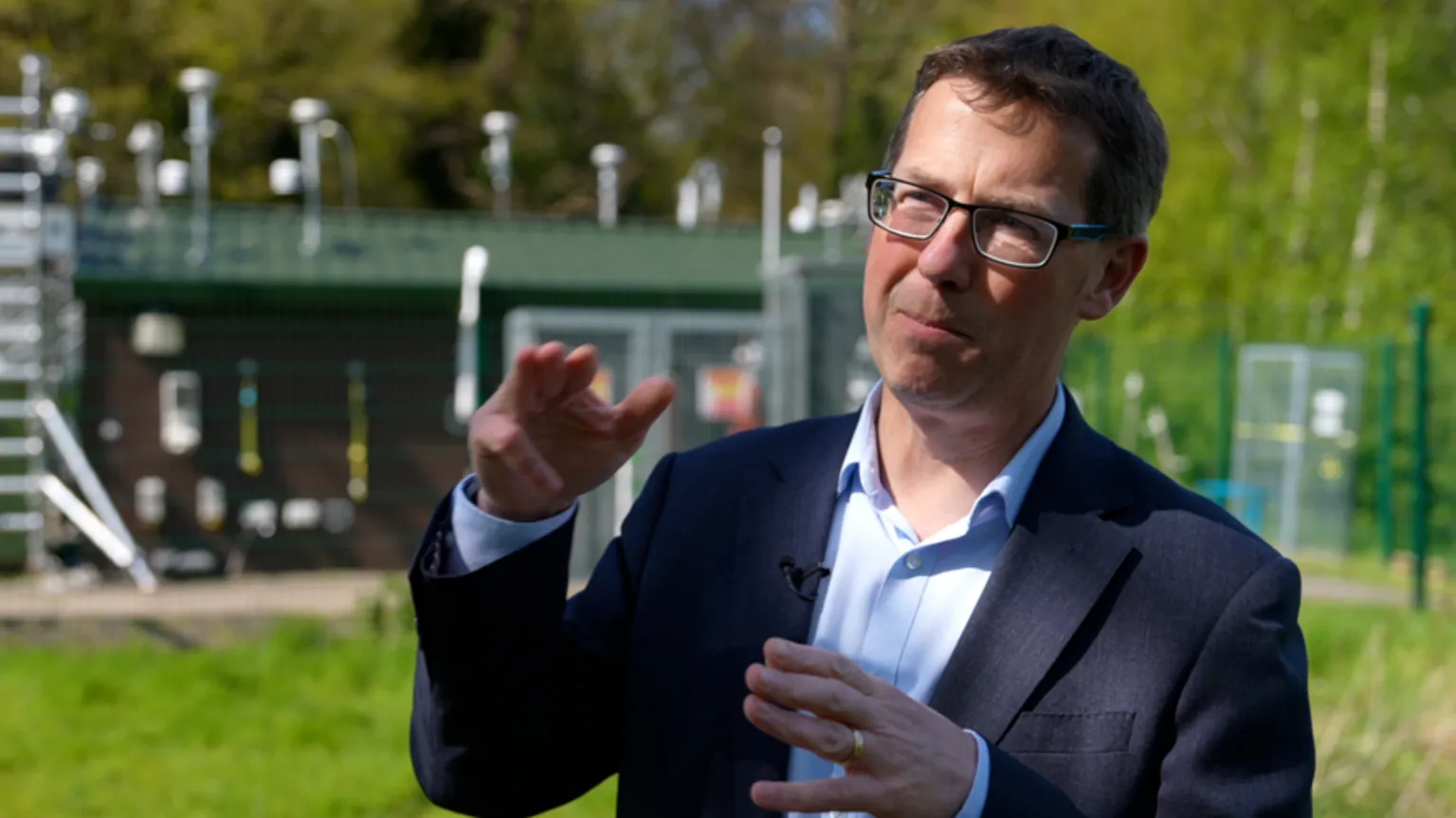
Professor William Bloss, an atmospheric science expert at the University of Birmingham who contributed to a study on the CAZ's impact, stated that research indicates a reduction in older, high-polluting vehicles within the CAZ and a "definite, step change in NO2 levels [down 7-8%] linked to the policy."
He noted that further health improvements will require continued societal changes, such as modifications in home heating methods, beyond just changes in vehicle emissions.
Council's Fleet Management and Future Plans
A council spokesperson indicated that a central Vehicle Management Service has been established to accelerate the transition to a modern, low-emission fleet, focusing on efficiency, economy, safety, and sustainability.
As of 31 March, only 142 (12%) of the council's 1,170 vehicles remained non-compliant with CAZ standards, many of which were minibuses used for social services and education.
The council is also promoting "eco driving" across its fleet by monitoring vehicle throttle usage, speed, mileage, and idling to reduce fuel consumption and carbon emissions.
The council operates some exemption schemes for CAZ charges based on specific criteria, but none apply specifically to council vehicles or those used by contractors.
Background on Clean Air Zones in the UK
Pollution charges were first introduced in the UK with London's ULEZ in 2019. Bath was the first city outside London to implement a CAZ in 2021, followed by six other English cities, including Birmingham. Scotland has four additional LEZs.
Data Journalism Partnership
The Shared Data Unit provides data journalism resources to news organisations across the media industry through a partnership between the BBC and the News Media Association.
about the Local News Partnerships here.


