

From One Axolotl to Twenty: A Growing Commitment
When Emma Honeyfield's daughter Amber requested an axolotl for her birthday, Emma did not anticipate that this would eventually lead to a collection of 20 axolotls. The 37-year-old purchased Amber's first axolotl, named Stitch, in September and has since developed a fondness for their "calming" nature.
Emma explained that Amber, who is eight years old, had always been a difficult child to buy gifts for, so when she asked for an axolotl, Emma found it hard to refuse.
The family, residing in Tredegar, Blaenau Gwent, is among many who have sought out these amphibians, which are critically endangered and native only to lakes and wetlands in southern Mexico City.
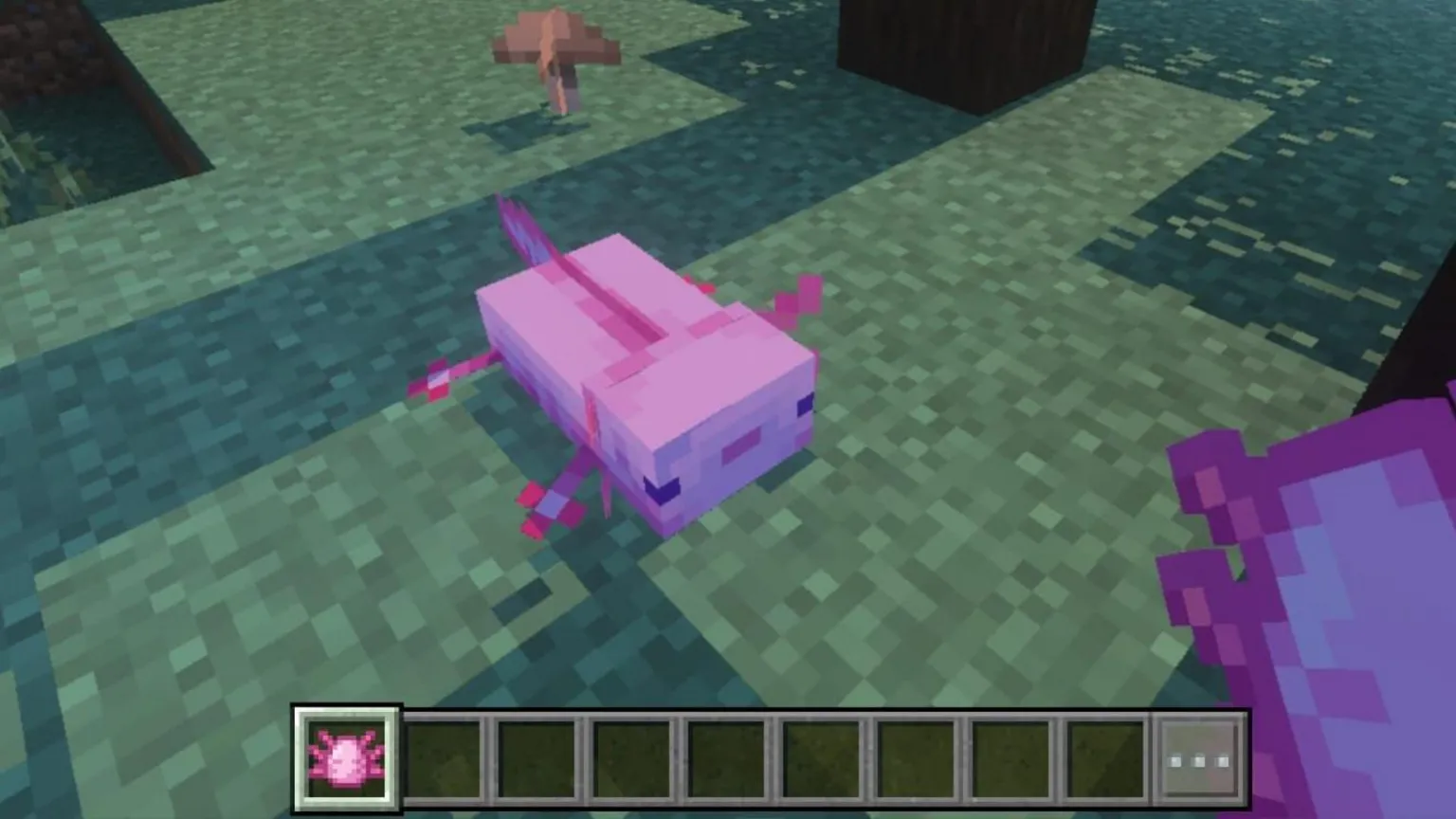
The axolotl's distinctive, smiling appearance and its inclusion in popular games such as Minecraft and Roblox have contributed to a rise in their popularity as pets.
With an estimated wild population ranging from 50 to 1,000 individuals, experts emphasize the importance of understanding proper care before acquiring an axolotl, as they can live up to 20 years.
Expert Warnings and Rare Sightings
Tara Costellow, who operates the Axolotl and Reptile Rescue Centre in Evesham, Worcestershire, described axolotls as "majestic animals" but noted they can be "overwhelming" for some owners.
Despite their rarity in the wild, a notable event occurred when a 10-year-old girl discovered a nine-inch Mexican axolotl beneath a bridge near the River Ogmore in Bridgend. This is the only documented sighting of an axolotl in the wild within the UK.
This discovery has led experts to caution prospective owners against impulsively purchasing axolotls without adequate knowledge of their specialized care requirements.
Emma’s Experience and Growing Collection
Although Emma is not an avid Minecraft player herself, she believes the game may have influenced Amber's interest in axolotls. She initially bought Stitch from an aquatic shop for £55.
Subsequent axolotls were acquired from specialist breeders, which increased the cost, and Emma also cares for four rescued axolotls that had previously been neglected by former owners.
Emma, a mother of three, has named all 20 axolotls and can distinguish each one by their unique shape and size, describing them as "spunky little creatures."
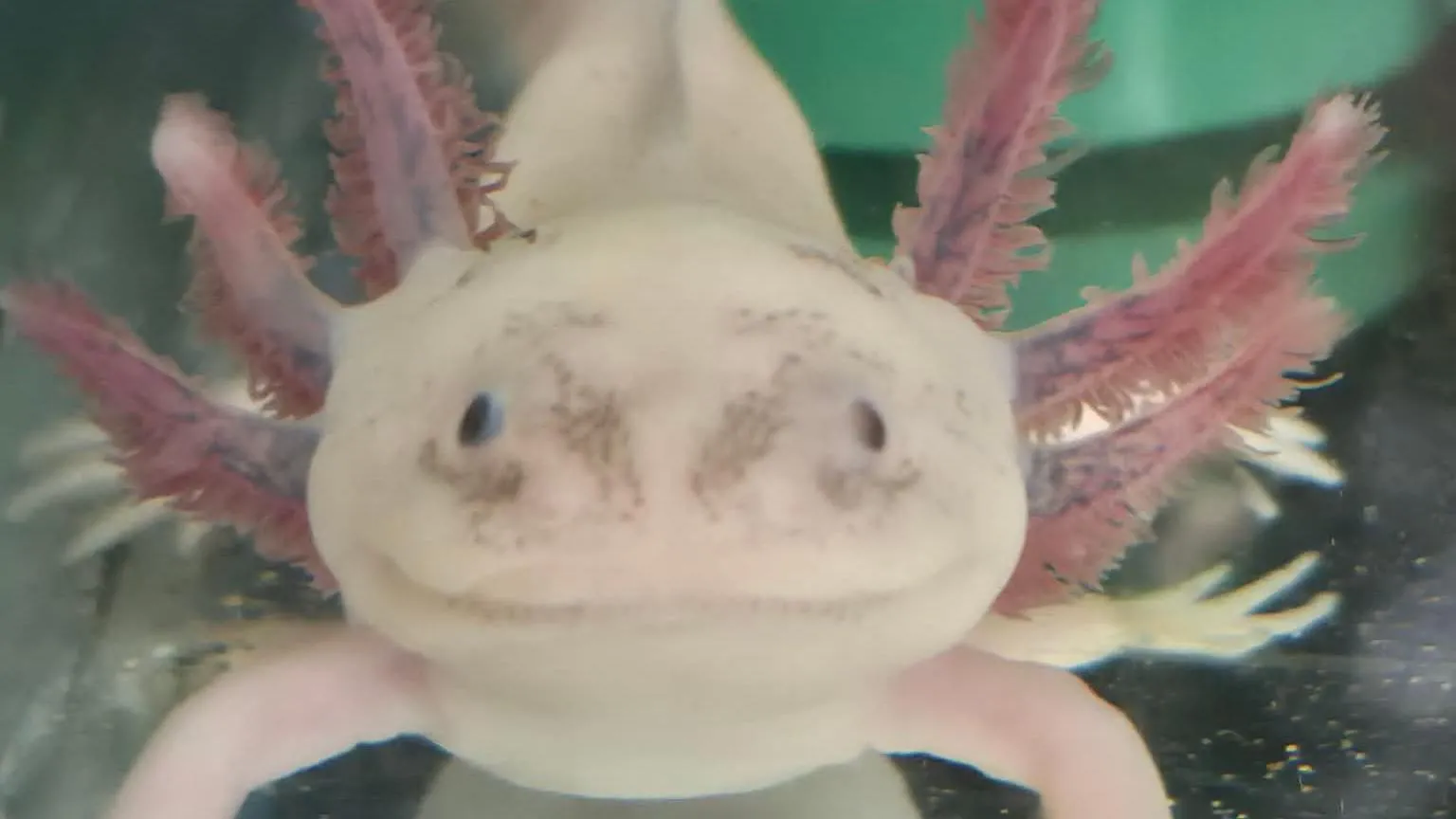
She emphasized that she conducted thorough research before acquiring the animals and now maintains four tanks, but found that caring for axolotls was more complex than initially expected.
"I went into it thinking it would be quite easy - and it's really not," Emma said.
"Make sure you set everything up properly and do your research first."
The tanks require a "fishless cycle," a process where beneficial bacteria are established in the aquarium before introducing axolotls. This involves dosing with ammonia, conducting proper water testing, and ensuring all conditions are optimal.
Another Owner’s Perspective: Kerry Allen and Kev
Kerry Allen, 40, from Dorset, has owned her axolotl, Kev, for several years.
"I kept seeing them on social media and just loved them," Kerry said, describing Kev as "an absolutely wonderful pet."
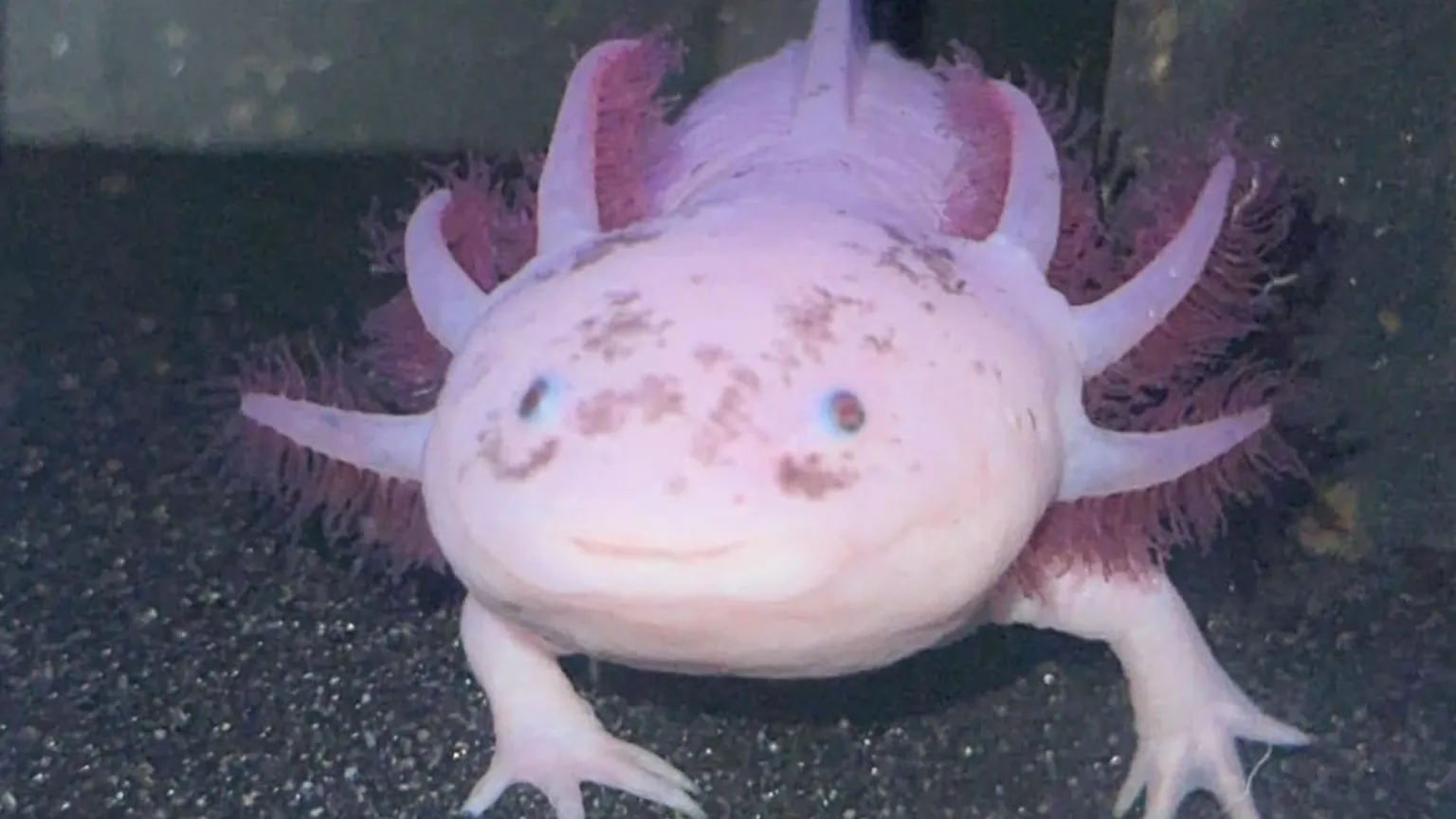
She finds axolotls fascinating to observe and notes their seemingly cheerful expressions.
Kerry, a lifelong animal enthusiast who also owns dogs, cats, and a Siamese fighting fish named Gomez, cautioned that axolotls require careful maintenance.
"Unfortunately, there's a lot of misinformation given to new owners about looking after them," she said.
"Lots become quite poorly because pet shops aren't always up to scratch on their care."
Kerry conducted extensive research before acquiring Kev, including joining online groups, and the pet shop where she purchased him ensured her tank was properly tested.
Kev currently lives in a clean, cold-water tank and is fed earthworms. He has grown from two inches to 12 inches in length.
"Touch wood I've never had a problem with him - he's in great condition," Kerry said.
"But there's so many been sold with wrong information and they die."
Challenges and Commitment Highlighted by Experts
Chris Newman, director of the National Centre for Reptile Welfare, noted that many people underestimate the commitment required to care for axolotls, including their potential lifespan of up to 20 years.
He identified several reasons why axolotls are often re-homed, such as children losing interest, moving away for education, or financial difficulties related to the cost of living crisis.
Tara Costellow's rescue centre currently houses approximately 160 axolotls, alongside ferrets, snakes, and lizards.
She reported a surge in demand following the axolotl's appearance in Minecraft, with breeders producing large numbers rapidly.
"Everyone's kids wanted one - it was seen as such a big money-maker," Tara said.
However, some owners have since surrendered their axolotls, with the centre receiving 160 from a single overwhelmed individual.
Young axolotls must be kept separately for several months due to cannibalistic tendencies and are not immediately ready for re-homing.
Tara emphasized the importance of carefully vetting new homes, ensuring tanks are properly established and water conditions are suitable, a process that can take up to 12 weeks and involves risks for the animals.
"It's quite in-depth and can be overwhelming, but we try to make sure they go to the best possible homes," she said.
She described axolotls as requiring significant dedication and noted they are not interactive pets.
"You can feed and watch them, but if you want something hands-on, they're not the right choice," Tara added.
"They are majestic animals, but they're critically endangered and losing their habitat in Mexico.
"In a decade's time the only ones you're going to be able to see are the ones that are domestically owned."
RSPCA Advice on Exotic Pet Ownership
The RSPCA has urged potential axolotl owners, and those considering any exotic pet, to carefully consider the responsibilities involved and to thoroughly research the animals' needs.
"Exotic pets often end up in our care, or others in the animal welfare sector, later down the line when people realise they're not easy to care for, or once the novelty wears off," the organization stated.
"Potential owners need to make sure they can give their animal the environment they need and they have the facilities, time, financial means and long-term commitment to maintain a good standard of care.
"These amphibians need care and attention for their entire lives, which can be 15 years," it added.


