

US Intercepts Iranian-Flagged Cargo Ship in Gulf
The United States has intercepted an Iranian-flagged cargo ship named Touska in the Gulf as part of its ongoing naval blockade, according to former US President Donald Trump.
Trump posted on his Truth Social platform that the US Navy seized the vessel after it failed to respond to warnings to stop. Iran condemned the action as a violation of the ceasefire and warned it would retaliate soon for what it described as an "act of armed piracy."
The announcement followed confirmation from the White House that US Vice-President JD Vance would lead a delegation for a second round of talks aimed at ending the conflict with Iran, to be held in Pakistan. Tehran has not confirmed its participation, with Iranian state media reporting that officials would not attend while the US blockade remains in place.
"Today, an Iranian-flagged cargo ship named TOUSKA, nearly 900 feet long and weighing almost as much as an aircraft carrier, tried to get past our Naval Blockade, and it did not go well for them," Trump wrote.
He added that the US had given the vessel fair warning to stop, which was ignored, "so our Navy ship stopped them right in their tracks by blowing a hole in the engineroom."
"The TOUSKA is under US Treasury Sanctions because of their prior history of illegal activity. We have full custody of the ship, and are seeing what's on board!"
US Central Command later released footage purportedly showing a naval vessel intercepting a cargo ship, including gunfire directed at the vessel.
Iran's Response to the Interception
According to statements carried by Iranian state media, a spokesperson for Iran's top military headquarters, Khatam al-Anbiya, accused the US of violating the ceasefire by opening fire on one of Iran's commercial vessels in the Sea of Oman, disabling its navigation system, and boarding it by deploying marines.
"Armed Forces of the Islamic Republic of Iran will soon respond to and retaliate for this act of armed piracy by the US Navy," the statement read.
Trump stated on Friday that the naval blockade of Iranian ports would remain in place until a deal was reached between the two countries.
Background of the Conflict and Negotiations
The conflict began with US and Israeli strikes across Iran on 28 February and escalated with multiple attacks across the Middle East over five weeks, culminating in a two-week truce.
Trump announced the naval blockade following an initial round of negotiations earlier in the month that ended without agreement. Key issues, including Iran's nuclear program and control over the Strait of Hormuz—a critical oil transport route—remain unresolved.
Earlier on Sunday, Trump said his representatives would arrive in Pakistan, which is mediating between the two sides, on Monday. The ceasefire is scheduled to expire on Wednesday.
A White House official told the BBC that, in addition to Vice-President Vance, the delegation would include Trump advisers Steve Witkoff and Jared Kushner, both of whom participated in the previous talks.

However, Iran's state news agency IRNA denied reports of a second round of talks with the US, stating that the US blockade, along with "excessive" demands and threatening rhetoric from Washington, had so far hindered negotiation progress.
Despite this, preparations for further discussions have commenced in Islamabad, Pakistan's capital. Guests at the hotel where the previous talks took place were reportedly asked to vacate, according to the BBC's Pakistan correspondent.
Pakistan's Prime Minister Shehbaz Sharif spoke with Iran's President Masoud Pezeshkian on Sunday evening, according to a statement from Sharif's office, which did not mention any further talks between Iran and the US.
Strait of Hormuz Status and Regional Impact
The Strait of Hormuz remained closed on Sunday, following the Islamic Revolution Guard Corps' (IRGC) announcement that it was ending a temporary reopening due to the US blockade, which it said violated the ceasefire terms. Iran stated the strait would remain closed until the US lifted its naval blockade.
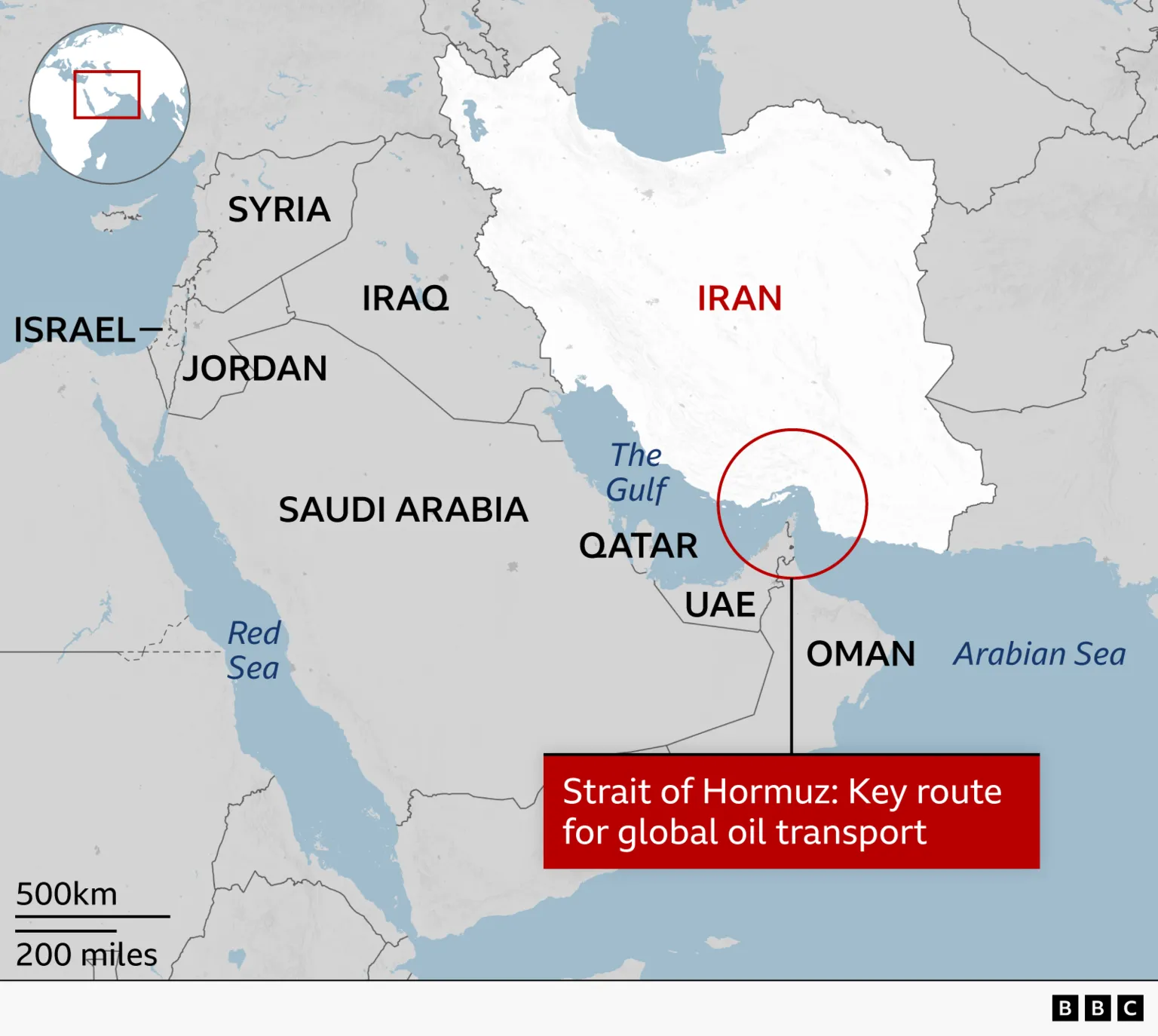
Approximately 20% of the world's oil and liquefied natural gas (LNG) typically passes through the strait. The number of vessels transiting the route has significantly decreased during the recent conflict, contributing to a surge in global energy prices.
Trump has asserted that Iran cannot "blackmail" the US with threats concerning the waterway. He also threatened to destroy every bridge and power plant in Iran if Tehran did not agree to a peace deal.
"If they don't take the DEAL, it will be my Honour to do what has to be done," Trump wrote in another Truth Social post on Sunday.
Allegations of Ceasefire Violations
The US president accused Iran of violating the ceasefire by attacking ships in the Strait of Hormuz on Saturday, citing incidents involving a French ship and a UK freighter.
French shipping company CMA CGM confirmed that one of its vessels was fired upon, describing the incident as "warning shots" to news agency AFP. There were no confirmed attacks on UK-linked ships on Saturday, according to the UK's defence and transport ministries.
The UK Maritime Trade Operations reported two attacks on vessels—a tanker and a cargo ship—in the strait on Saturday but did not specify the nationalities of the ships involved.
Meanwhile, India reported that two Indian-flagged ships were involved in a shooting incident in the area.
Traffic in the Strait of Hormuz remained halted on Sunday, according to data from the tracking site MarineTraffic.
The IRGC-affiliated Tasnim news agency reported that two tankers flying the flags of Botswana and Angola attempted to transit the strait but were forced to change course and retreat due to the "timely action of the armed forces of Iran."


