

Iran's Unyielding Stance on Strait of Hormuz Control
"Never."This is the unequivocal response from Ebrahim Azizi, a senior Iranian lawmaker and former commander in Iran's Islamic Revolutionary Guards Corps (IRGC), when asked if Iran would ever relinquish control over the Strait of Hormuz.
"It's our inalienable right,"Azizi told the BBC in Tehran.
"Iran will decide the right of passage, including permissions for vessels to pass through the Strait."
He further revealed that this control is set to be codified into law.
"We are introducing a bill in parliament, based on article 110 of the constitution, which includes the environment, maritime safety and national security - and the armed forces will implement the law,"said Azizi, who serves as the head of the Committee for National Security and Foreign Policy in the Iranian parliament.
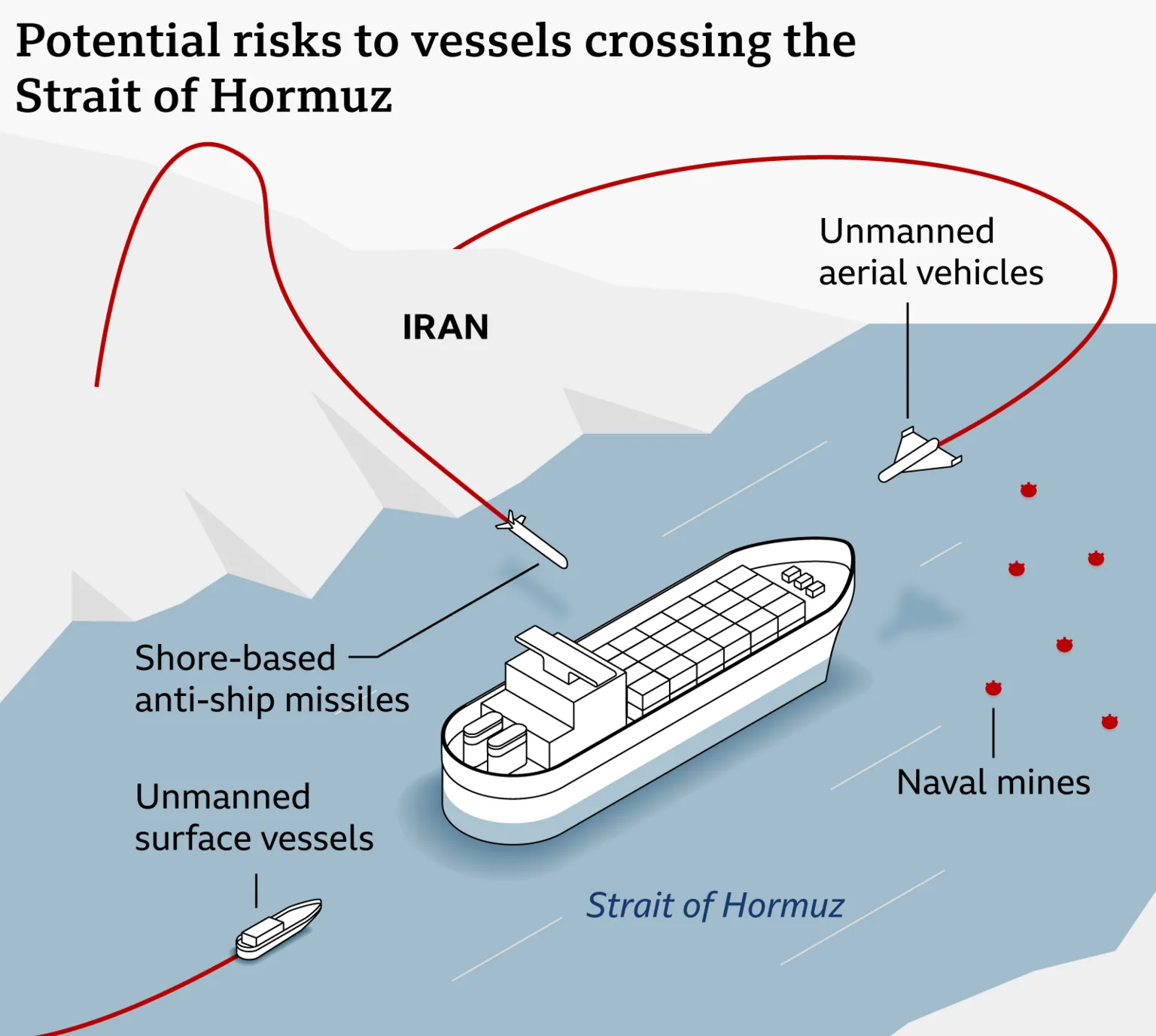
Strategic Importance and Militarization of the Strait
As global concerns rise over the potential closure of this vital waterway and its economic repercussions, it is evident that this is not a transient issue but a long-term strategic posture.
Azizi described the Strait of Hormuz as a significant asset that Iran has effectively weaponized amid ongoing conflict.
"One of our assets to face the enemy,"he stated, emphasizing the strait's role in Iran's defense strategy.
Azizi is a prominent figure within a parliament increasingly dominated by hardliners, reflecting the shift in Iran's political and military landscape following a series of high-profile assassinations attributed to Israeli strikes. The Islamic Revolutionary Guard Corps (IRGC) has gained greater influence in this new order.
Iran now views its control over the passage of crucial maritime traffic, including oil and gas tankers, not merely as a tactical advantage in current negotiations but as a lasting strategic leverage.
"The first priority for Iran after the war is to restore deterrence and the Strait of Hormuz is among Iran's principal strategic leverages,"explained Mohammad Eslami, a research fellow at the University of Tehran.
"Tehran is open to discussing how other nations can benefit from Iran's new framework for the strait, but control is the bottom line."
Regional Reactions and Diplomatic Tensions
This stance has been met with strong opposition from some of Iran's neighbors, who are angered by Iran's military actions during the five weeks of conflict, currently paused under a fragile ceasefire.
Dr. Anwar Gargash, diplomatic adviser to the president of the United Arab Emirates, described Iran's control as
"An act of hostile piracy."
He cautioned that Iran's refusal to relinquish control over these international waters could establish a
"dangerous precedent"for other strategic waterways globally.
Azizi responded sharply to such accusations, stating,
"They are the pirates who sold our region to the Americans,"referencing the US military bases throughout the Middle East that have been targeted by Iranian drones and missiles. He further labeled the US as
"the biggest pirate in the world."
"We have always said we need to work together to secure our region,"Azizi emphasized, underscoring Iran's preferred vision for regional security.
However, this vision has been shattered for most Gulf states, with the exception of Oman, one of Iran's closest regional allies controlling the southern coast of the strait. Oman engaged in discussions with Tehran earlier this month aimed at ensuring the safe and smooth transit of vessels.

Internal Disagreements and Political Dynamics
Signs of internal discord within Iran's military and political elite have emerged, notably in the form of rare and pointed criticism of Foreign Minister Abbas Araghchi.
On a recent Friday, Araghchi posted on social media that the Strait of Hormuz was
"completely open."This prompted an immediate response from US President Donald Trump, who replied with a capitalized
"THANK YOU."
Within minutes, media outlets linked to the IRGC issued rebukes of Araghchi's statement.
The state-run Mehr news agency criticized the foreign minister's post, stating it had
"provided the best opportunity for Trump to go beyond reality, declare himself the winner of the war and celebrate victory."
Another agency, Tasnim, described the tweet as
"bad and incomplete"and accused it of creating
"misleading ambiguity about the reopening of the Strait of Hormuz."
Araghchi clarified that the waterway was only open to ships authorized by the IRGC navy and that passage was restricted to designated routes requiring toll payments.
Azizi dismissed any notion of internal rifts, asserting,
"When it comes to national security, there are no moderate or hardline approaches."
High-Level Negotiations and International Pressure
The ultimate decision regarding the strait's status is expected to be made by Iran's highest authorities. The issue remains central in the high-level talks scheduled to resume in Islamabad on Tuesday, following a historic first round of face-to-face negotiations held in the Pakistani capital last weekend.
US Vice-President JD Vance is slated to lead the American delegation once again.
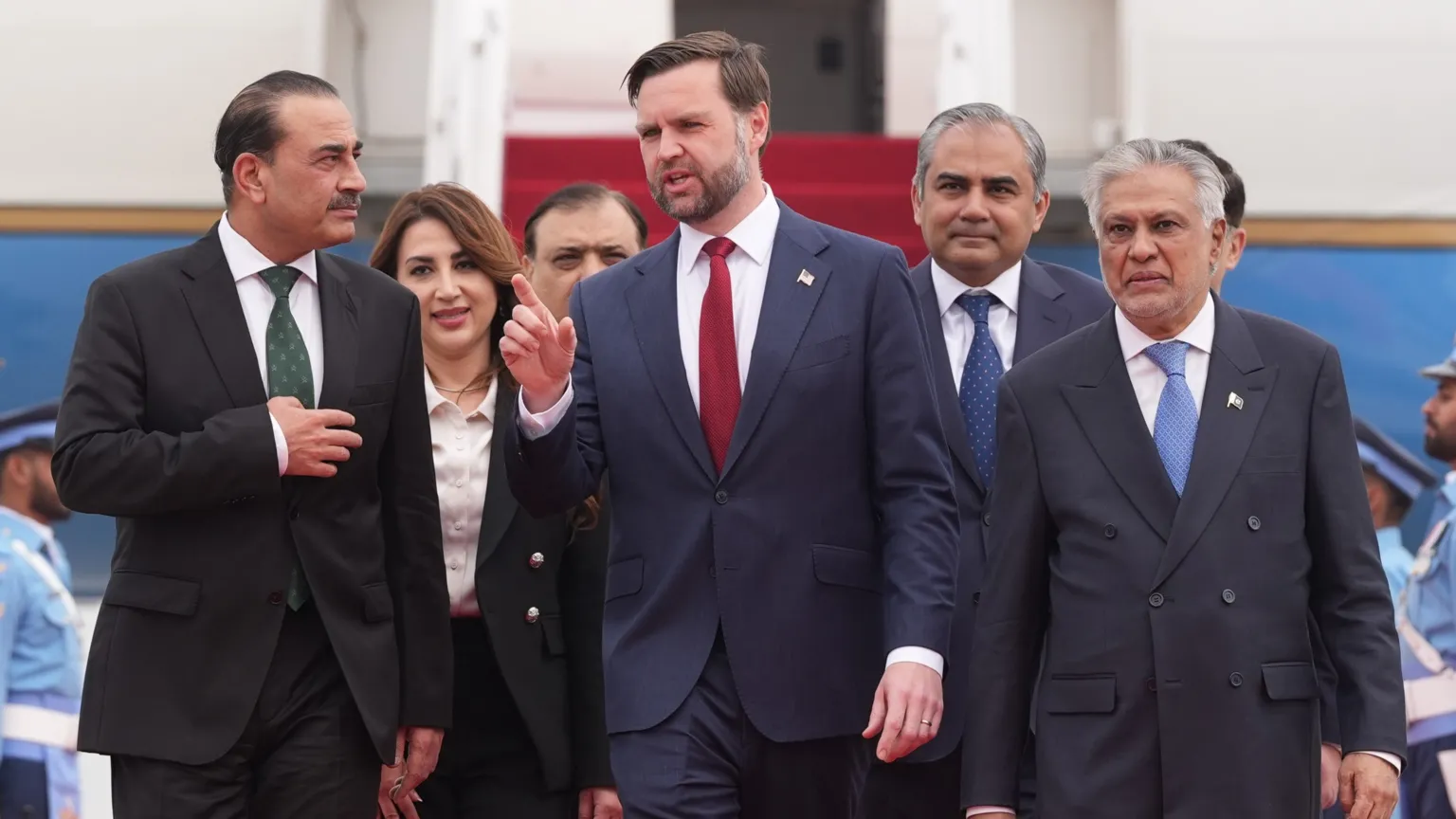
Iranian officials have remained silent on whether their delegation, led by parliamentary speaker Mohammad Bagher Ghalibaf, will return to Pakistan. Local media report that Iran may abstain from participation as long as the US blockade of Iranian ports continues.
US President Donald Trump has repeatedly demanded that Iran open the maritime corridor, including in a strongly worded social media post on 5 April warning that Iran would be
"living in hell"if it failed to comply.
Trump has accused Tehran of attempting to
"blackmail"the US.
Azizi dismissed these accusations, stating,
"I don't expect much from a man who twists the truth. We are just defending our rights in the face of American blackmail."
Like many senior Iranian officials, Azizi often responds to Trump with mocking posts on X (formerly Twitter). These exchanges highlight how high-level Iranians maintain access to the international internet, despite a near-total digital blackout imposed on most Iranians for several weeks.
Digital Blackout and Internal Security Measures
Azizi, whose parliamentary responsibilities include national security, declined to specify when the internet restrictions would be lifted, stating only,
"When it is safe and secure we will lift the ban so that the enemy will not take advantage."
When questioned about recent arrests and the numerous death sentences handed down to protesters detained during January's nationwide demonstrations, which were suppressed with lethal force resulting in thousands of deaths, Azizi reiterated the government's position.
He claimed that US and Israeli intelligence agencies—the CIA and Mossad—were involved in instigating the unrest.
Azizi dismissed concerns about further tightening of internal security measures, asserting,
"In war, even in a ceasefire, there are rules."


