Escalating Tensions Between US and Iran
US President Donald Trump issued a stern warning that "all hell would rain down on" Iran if it failed to reach a deal, eliciting a similarly forceful response from Tehran. An Iranian military spokesman cautioned that the entire region would become "hell" should the US and Israel continue to escalate the conflict.
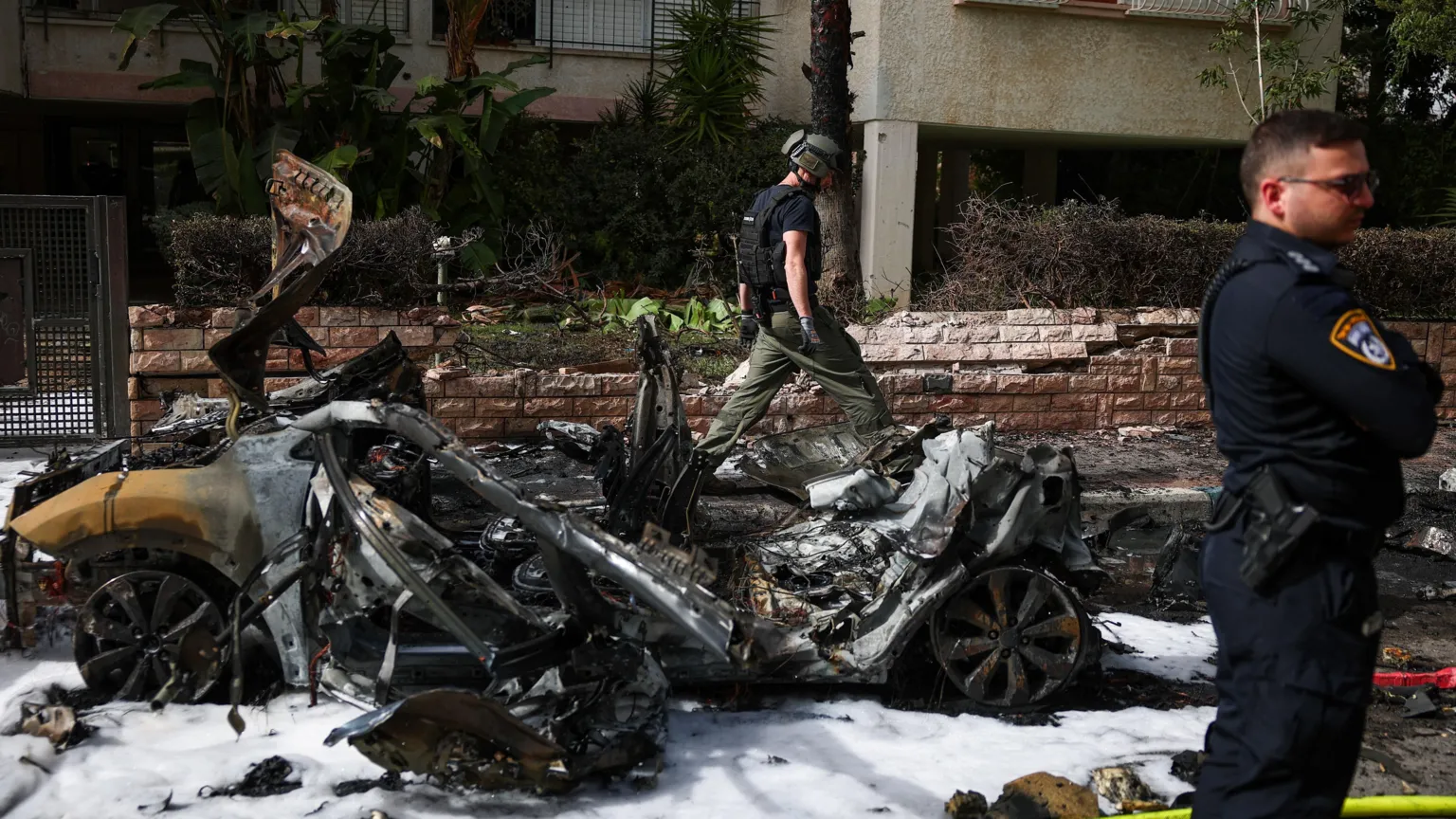
On Saturday, Iran launched additional missile attacks targeting the Gulf States, Iraq, and Israel. Debris from intercepted missiles caused damage in these areas.
Meanwhile, US and Iranian forces are jointly searching for a missing American crew member following the downing of a US F-15 fighter jet over southern Iran on Friday. US media reports confirm that the pilot of the jet has been rescued.
Iranian officials have called on citizens to locate the missing crew member "alive" and have offered rewards for his capture.
During the search-and-rescue operation, a US A-10 Warthog aircraft was also shot and damaged, but its pilot was rescued safely.
Trump’s Ultimatum and Iranian Response
On 27 March, President Trump announced a 10-day pause on attacks targeting energy plants to allow Iran an opportunity to "make a deal." On Saturday, he reiterated his threat on the Truth Social platform, stating that "all Hell will reign down on them" if Iran failed to comply within 48 hours or to reopen the Strait of Hormuz.
In response, Ebrahim Zolfaghari, spokesperson for Khatam al-Anbiya Central Headquarters, declared:
"If hostility escalates, the entire region will turn into hell for you; the illusion of defeating the Islamic Republic of Iran will become a quagmire into which you will sink."
US and Israeli forces continued bombardments on Iranian military, energy, and industrial sites on Saturday.

President Trump shared a video on Truth Social purportedly showing a "massive strike" on Tehran. However, the footage appeared to be 24 hours old, and Iran has not issued any comment regarding it.
Attack on Bushehr Nuclear Power Plant
Iran reported that the area surrounding its Bushehr nuclear power plant was attacked for the fourth time during the ongoing conflict. The Atomic Energy Organisation of Iran confirmed that one employee was killed in the attack and attributed responsibility to the US and Israel, though neither country has confirmed involvement.
Bushehr is Iran's sole operational nuclear power plant, completed with assistance from Russia.
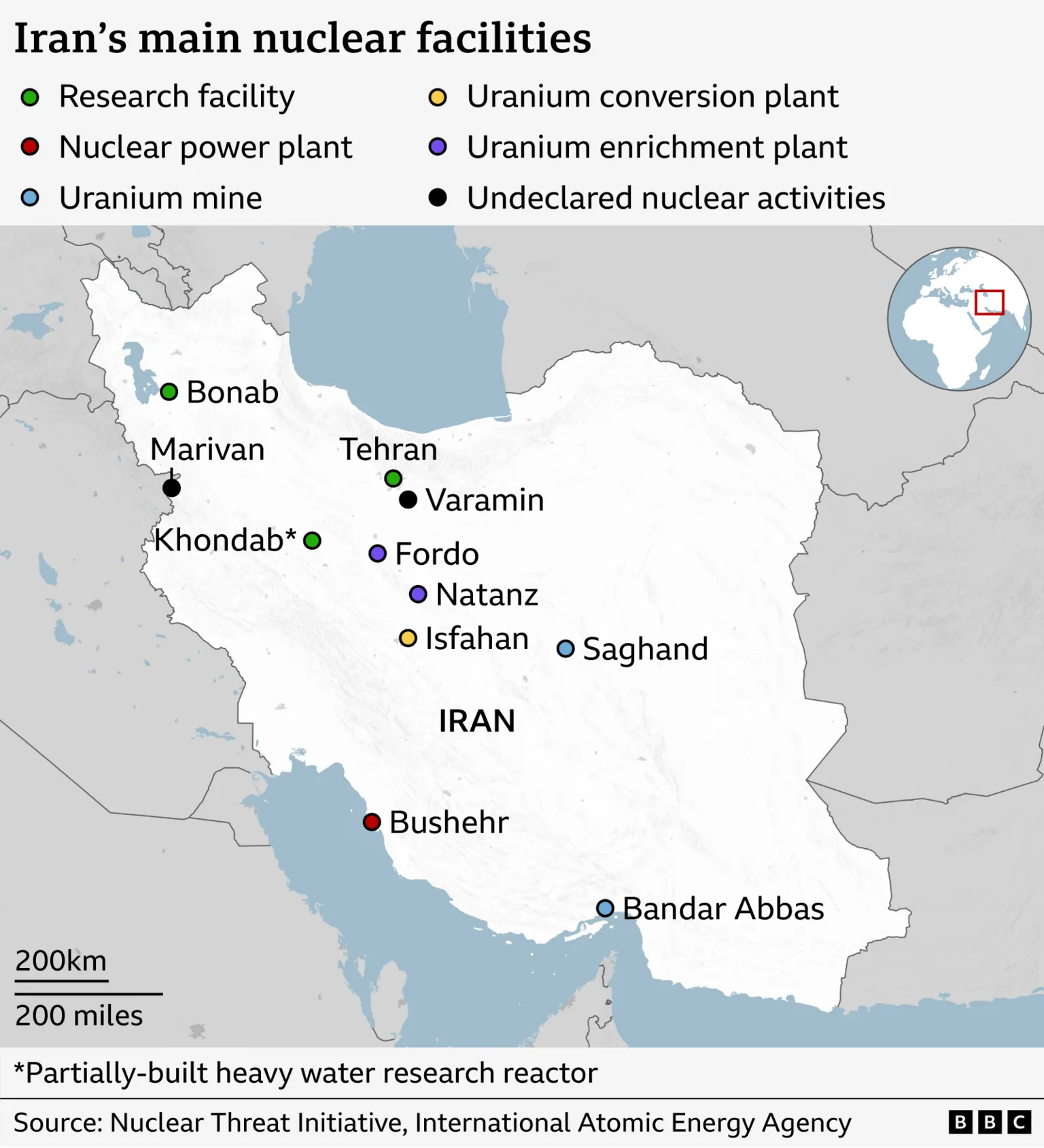
The International Atomic Energy Agency (IAEA), the United Nations’ nuclear watchdog, stated it had been informed of the strike and expressed "deep concern."
"No increase in radiation levels was reported,"
the agency wrote on X. It emphasized that nuclear power plant sites and adjacent areas "must never be attacked" and called for "maximum military restraint" to prevent a nuclear accident.
Iran’s statement regarding the Bushehr attack indicated that the main components of the plant appeared undamaged and that its operation had not been "not affected."
In response to the attacks, Moscow has evacuated many of its personnel from the plant. Alexei Likhachev, head of Russia's state nuclear corporation Rosatom, announced on Saturday that the evacuation of the remaining 198 people at the plant began that morning.
Context of the Conflict and Nuclear Programme
Iran’s nuclear programme has long been a subject of international dispute, resulting in extensive sanctions. The US-Israeli conflict with Iran escalated on 28 February, two days after a third round of indirect US-Iran nuclear talks in Geneva.