

UN Nuclear Watchdog Chief Warns Gulf Nations Amid US-Iran Tensions
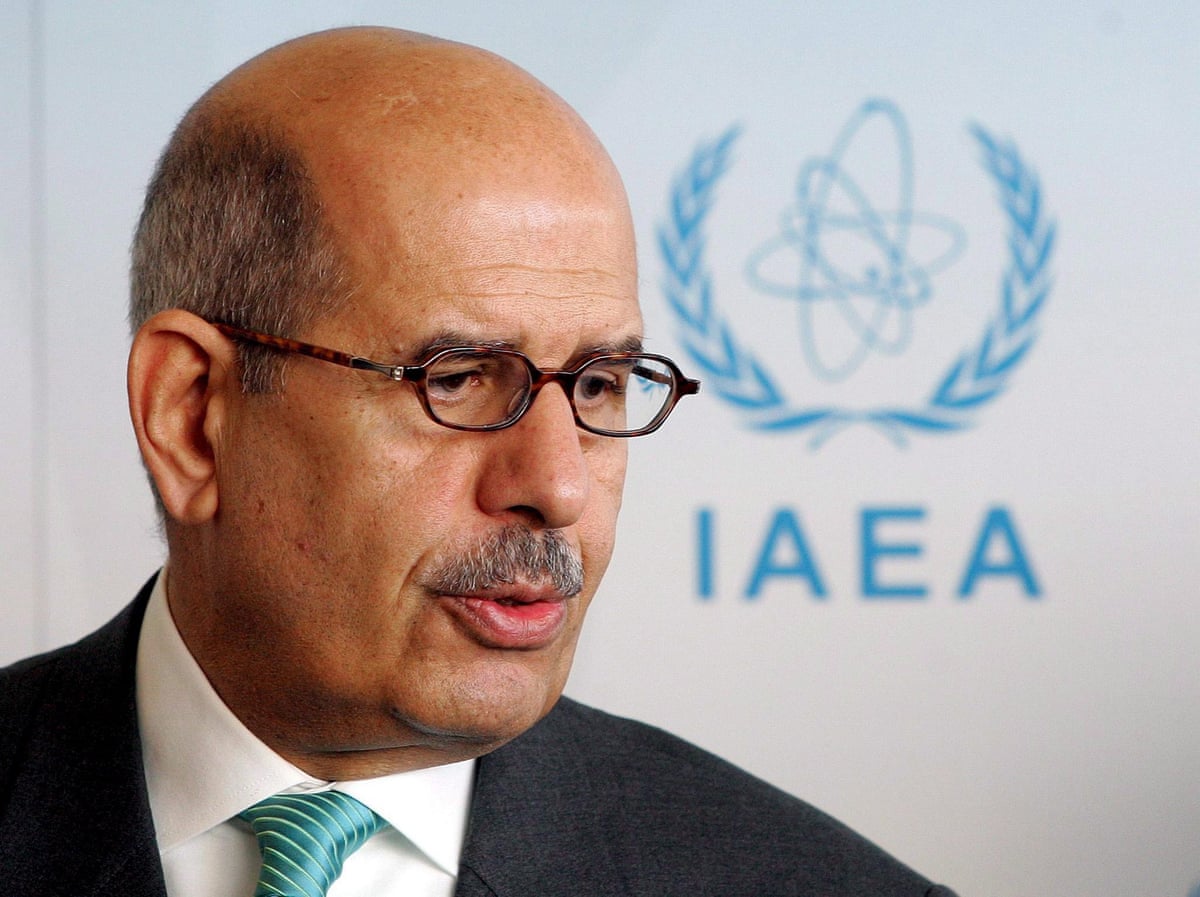
A former director of the United Nations nuclear watchdog has called on Gulf nations to prevent former US President Donald Trump from escalating the Middle East conflict into "a ball of fire," following Trump's latest threat to Iran.
Mohamed ElBaradei, who led the International Atomic Energy Agency (IAEA) from 1997 to 2009, tagged the United Nations, European Union, French President Emmanuel Macron, as well as the Chinese and Russian foreign ministries in his social media posts.
"Nothing can be done to stop this madness?!"
Trump declared on Saturday that Iran must either reach a deal or reopen the strategically vital Strait of Hormuz, which Tehran has effectively blocked since the US and its allies initiated hostilities against Iran in February.
"Time is running out – 48 hours before all Hell will reign (sic) down on them."
ElBaradei, an 83-year-old former Egyptian vice-president, headed the IAEA during the early stages of international scrutiny over Iran’s nuclear program. He and the IAEA were jointly awarded the Nobel Peace Prize in 2005 for their efforts to promote the peaceful use of nuclear energy.
South Korea Engages Gulf Envoys to Secure Energy Amid Conflict
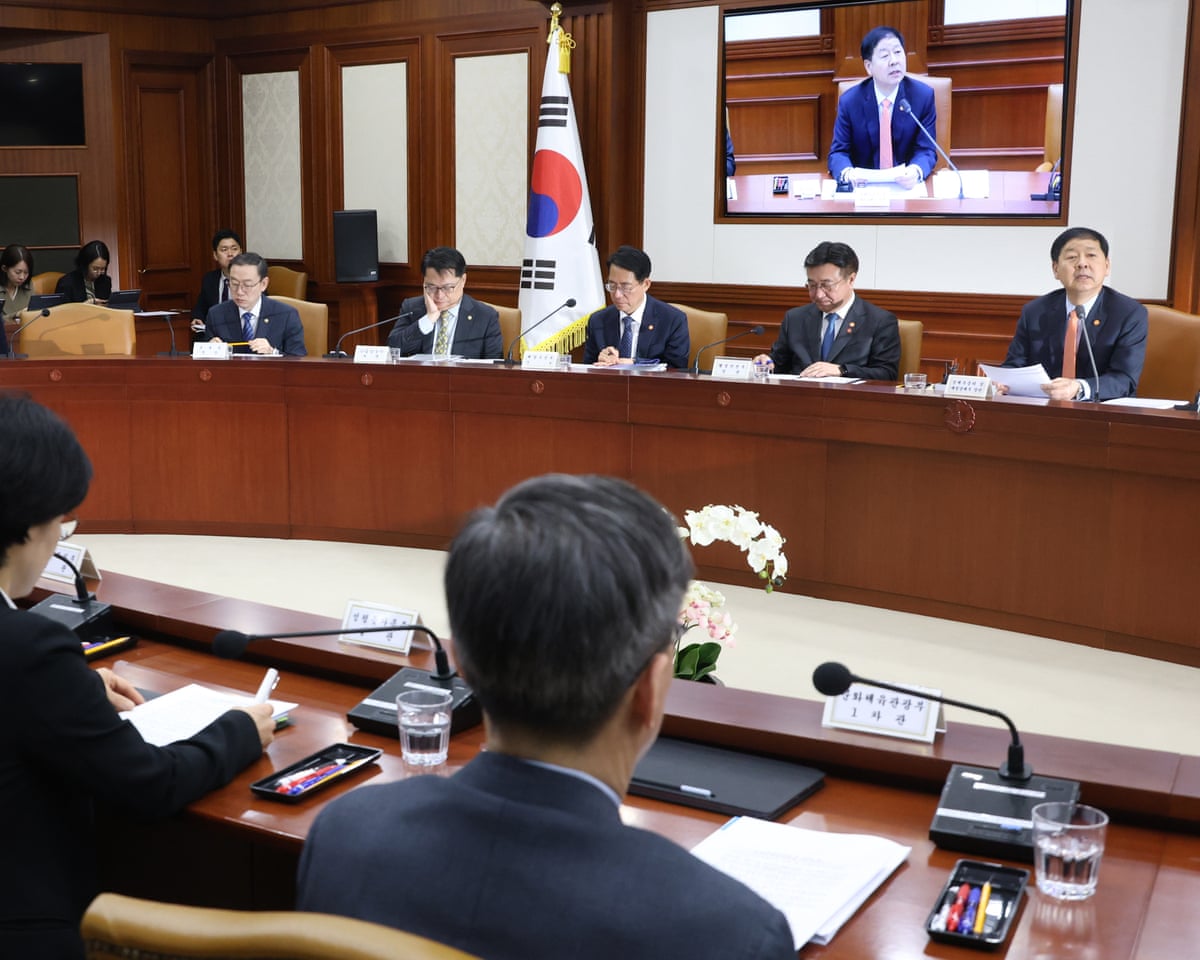
South Korea’s finance minister met with envoys from Gulf countries to reinforce energy security and ensure the safety of Korean vessels near the Strait of Hormuz, the ministry announced on Sunday, as the intensifying war disrupts shipping routes.
During the meeting on Friday, Koo Yun-cheol requested the Gulf Cooperation Council ambassadors to guarantee a steady supply of oil, liquefied natural gas, naphtha, urea, and other essential resources, as well as the protection of Korean vessels and crews operating near the critical strait, according to a ministry statement.
The Gulf envoys responded by affirming South Korea as a "top priority" nation and pledged close communication with Seoul to maintain stable supplies.
Like many Asian economies, South Korea depends heavily on energy imports transported through the Strait of Hormuz, which accounted for 20% of global oil shipments before the US and its allies launched the conflict in February.
Attacks on Gulf Infrastructure and Ongoing Military Escalations
Bahrain’s interior ministry reported that civil defence teams are actively working to contain a fire following an Iranian attack.
Meanwhile, Kuwait’s government stated that its energy infrastructure and water desalination plants suffered damage during drone attacks by Iran on Sunday morning.
The Kuwaiti electricity and water ministry posted on X that the assaults caused "significant material damage and the shutdown of two electricity generating units," but confirmed there were no casualties.
Iran Rejects Trump’s 48-Hour Ultimatum
Iran has dismissed Donald Trump’s demand that it reach a deal within 48 hours or face severe consequences.
On Saturday, Trump posted on social media:
"Remember when I gave Iran ten days to MAKE A DEAL or OPEN UP THE HORMUZ STRAIT,"
referring to an ultimatum issued on 26 March.

"Time is running out – 48 hours before all Hell will reign down on them."
Iran’s central military command rejected the ultimatum, with General Ali Abdollahi Aliabadi describing Trump’s threat as a "helpless, nervous, unbalanced and stupid action."
"The gates of hell will open for you,"
he warned, echoing Trump’s language.
Trump later shared a video depicting explosions illuminating a night sky, accompanied by text stating:
"Many of Iran’s Military Leaders … are terminated, along with much else, with this massive strike in Tehran,"
without specifying the timing of the event.
Continued Conflict and Military Actions in the Middle East
Iran launched missiles and drones at Israel and Kuwait early on Sunday, a day after Trump’s ultimatum.
Both Kuwait and Israel reported that their air defence systems were responding to the latest Iranian attacks, part of a conflict that began over a month ago with US-Israeli strikes that provoked retaliatory actions from Tehran.
The war has expanded across the Middle East and disrupted the global economy. Iranian forces maintain control over the Strait of Hormuz shipping lane—a crucial route for oil and gas—and have targeted economic sites in Gulf countries they associate with the US-Israeli coalition.
Israeli Prime Minister Benjamin Netanyahu confirmed that Israel attacked Iran’s petrochemical plants following Iranian media reports of at least five fatalities in an assault on the Mahshahr petrochemical zone.
US search and rescue operations for the missing second crew member of a downed F-15E fighter jet continued into a second day as Iran faced heavy bombardment. One pilot was rescued on Friday after the F-15E Strike Eagle became the first US aircraft downed during the five-week conflict.
American and Israeli fighter jets targeted multiple strategic and civilian locations within Tehran on Friday afternoon, including Shahid Beheshti University, one of Iran’s premier academic institutions, according to Iranian state media.
The death toll in Gaza has reached 1,422 since the conflict with Israel began on 2 March, based on data from the Lebanese health ministry and reported by the Associated Press. In the past 24 hours alone, Israeli strikes have killed 54 people and wounded 156.
Kuwait’s Ministry of Defense reported on Saturday that its air defense forces intercepted eight ballistic missiles and 19 drones over the preceding 24 hours. However, on Sunday, a fire erupted in the Shuwaikh oil sector complex, which houses the oil ministry and Kuwait Petroleum Corporation headquarters, following a drone attack. Kuwaiti state media also reported significant damage to two power and water desalination plants caused by Iranian drones.
A Lebanese security source at the main crossing between Syria and Lebanon stated that evacuation efforts were underway after Israel threatened to attack the area. The Israeli military announced on Saturday plans to strike near the Masnaa crossing and urged residents to evacuate immediately as it continued operations across Lebanon.
Residents of southern Lebanon’s Kfar Hatta were instructed via social media by Israel to leave the area immediately and warned that the Israeli military would soon act "with force" in the vicinity.


