

Hide, find water: ex-pilot tells how to survive being shot down
As US forces compete with Iran’s military to locate an aviator reportedly shot down on Friday, a retired air force pilot has described the essential steps to hide, survive, and facilitate extraction behind enemy lines.
“You’re like, ‘Oh my God, I was in a fighter jet two minutes ago, flying 500 miles an hour, and a missile just exploded, literally 15 feet from your head,’” said retired brigadier general Houston Cantwell, now affiliated with the Mitchell Institute for Aerospace Studies.
According to a report by Agence France-Presse, a pilot’s training in survival, evasion, resistance, and escape (Sere) would likely activate before parachuting to the ground.
“Your best view of where you may want to go or where you may want to avoid is while you’re coming down in your parachute,” Cantwell explained, who has logged 400 hours of combat flight experience including missions over Iraq and Afghanistan.
He noted that parachuting carries risks of foot, ankle, and leg injuries.
“There are many stories of survivors from Vietnam that had severe injuries – compound fractures – just from the ejection.”
Upon landing, pilots must assess their physical condition.
“Take an inventory of yourself to figure out: what condition am I in? Can I even move? Am I even mobile?”
They then determine their location, whether behind enemy lines, identify hiding spots, and consider communication options.
“Try to avoid enemy capture, as long as you can. And if I were in a desert environment, I’d want to try to find some water.”
Meanwhile, combat search and rescue teams—highly trained soldiers and pilots on alert—would be activated. Cantwell emphasized the importance of the missing crew member’s actions to increase rescue chances.
“My priority would be, first of all, concealment, because I don’t want to be captured. I want to try to get to a location where I can get extracted.”
In urban areas, a rooftop might serve as a safe extraction point, while in rural settings, a field suitable for helicopter landing is preferable. Movement is safest at night, Cantwell added.
He also mentioned that during his flights, he carried a pistol for self-defense.

Welcome summary
Hello and welcome to our ongoing live coverage of the Middle East crisis and its effects on the region, global politics, and the economy.
Iranian and American forces were racing early Saturday to locate a missing pilot inside Iran since the conflict began.
Tehran announced it had shot down a US F-15 warplane, while US media reported that American special forces had rescued one of the two crew members; the other remained missing.
Iranian authorities urged residents in the country’s rugged southwest to search for the jet’s crew, as state television broadcast images purportedly showing the wreckage.
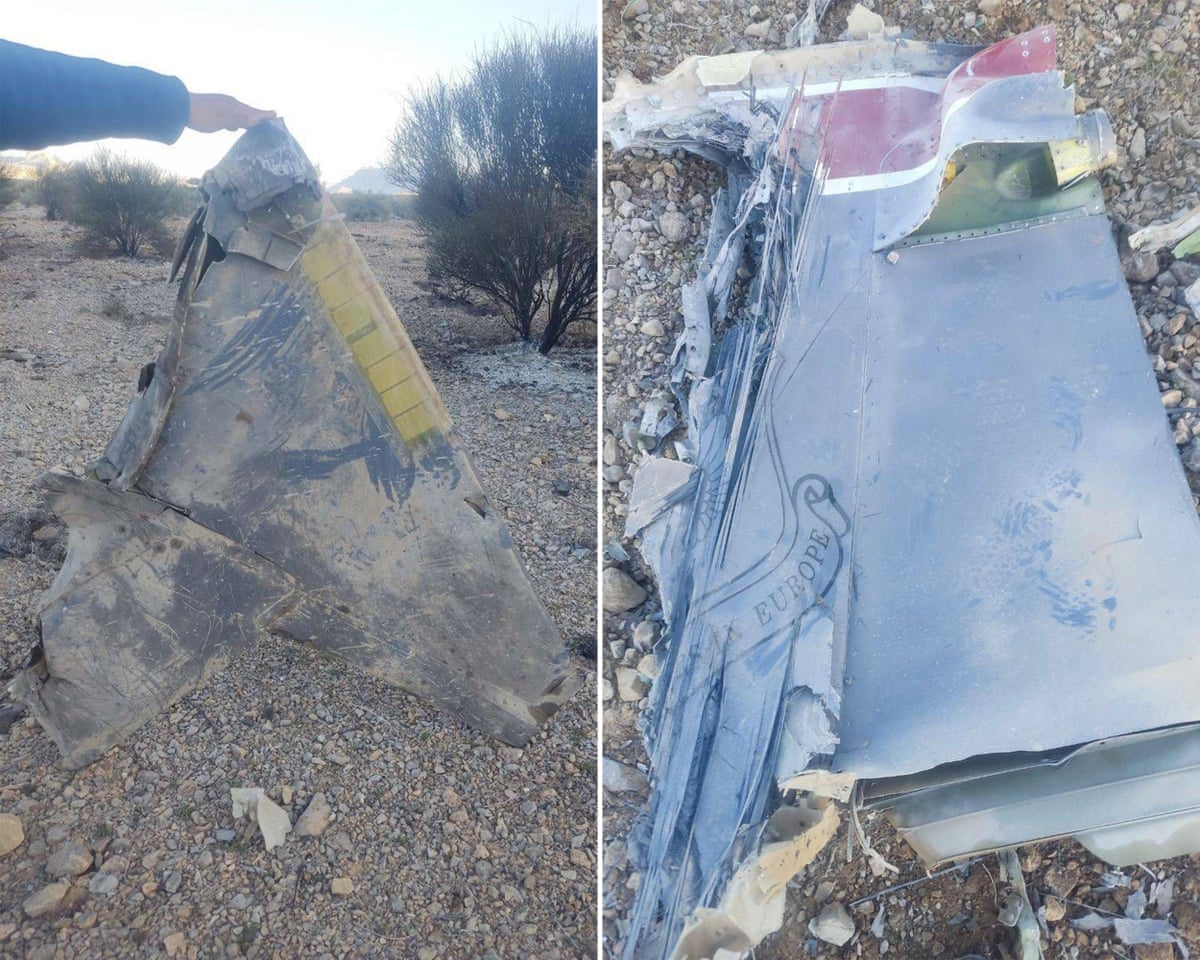
Iran’s military also claimed to have downed a US A-10 ground attack aircraft in the Gulf, with US media reporting the pilot was rescued.
US Central Command did not immediately comment on the F-15 loss, but the White House confirmed that President Donald Trump had been briefed.
The US president told NBC that the F-15 loss would not affect negotiations with Iran, stating:
“No, not at all. No, it’s war.”
Meanwhile, fresh strikes hit Israel, Iran, and Gulf countries, with large explosions reportedly shaking northern Tehran. Israel announced it had launched a series of strikes in the Iranian capital, alongside simultaneous attacks in Beirut.
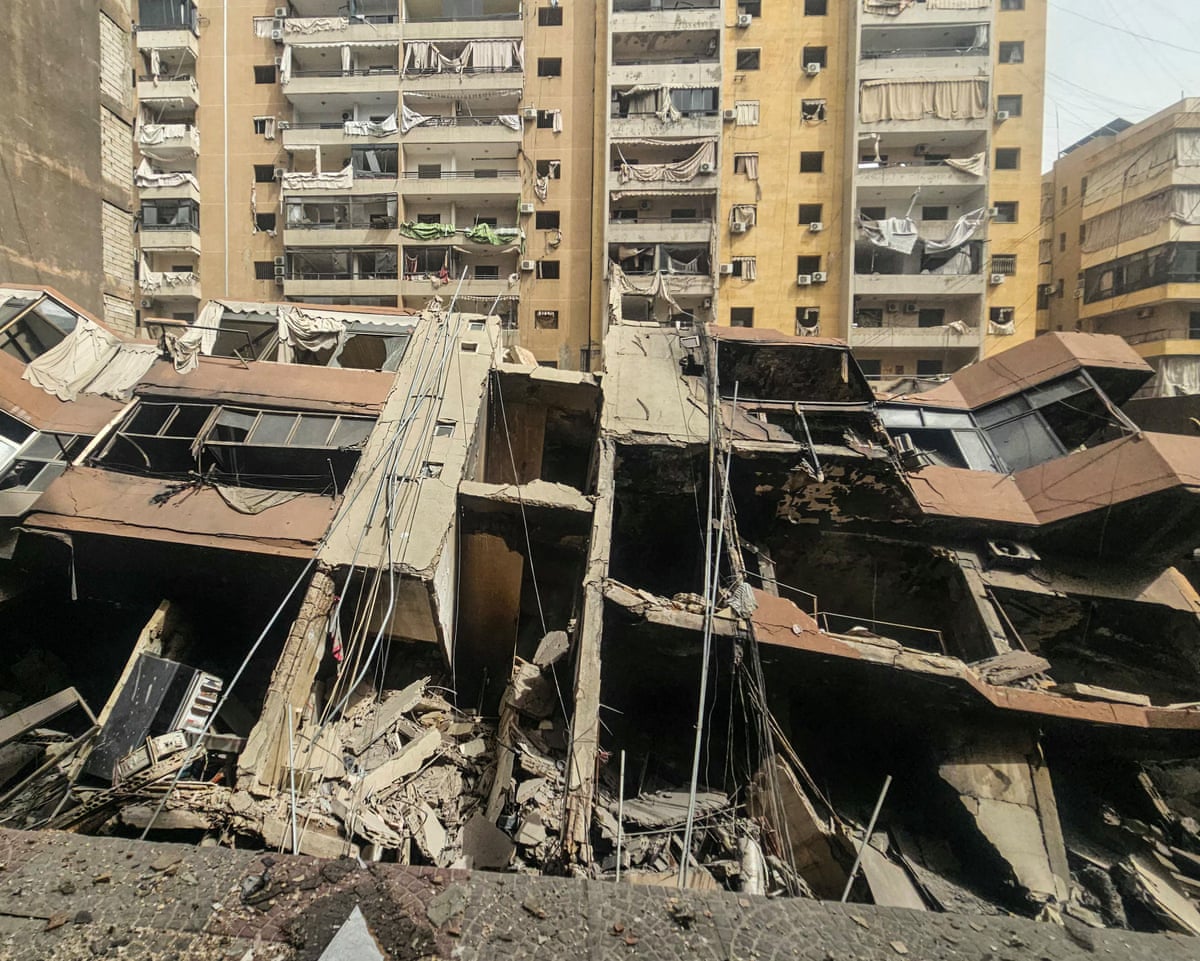
Strikes from all parties have increasingly targeted economic and industrial sites, raising concerns about broader disruptions to global energy supplies.
Other main developments:
- Tehran rejected a US proposal for a 48-hour ceasefire, according to Iran’s semi-official Fars news agency citing an unnamed source. The US had no immediate comment. Earlier reports from the Wall Street Journal indicated Iran had officially informed mediators it would not meet US officials in Islamabad in the coming days.
- The UN force in Lebanon reported a blast at one of its positions wounded three peacekeepers, two seriously, marking the third such incident in a week.
- Syrian state media reported that Israeli fire killed a man in Syria’s Quneitra province near the Israeli-occupied Golan Heights. The Sana agency said the man was killed by an attack from “an Israeli tank,” while state TV reported a car was targeted.
- An Egyptian national was killed and four others injured after a fire at a gas complex in Abu Dhabi caused by falling debris from an intercepted attack, according to the government media office. Two of the injured were Egyptian, and the others Pakistani.
- President Trump requested lawmakers approve a $1.5 trillion defense budget for 2027 amid rising costs from the war with Iran and increased global security commitments. The proposal would increase Pentagon spending by over 40% in one year—the largest rise since World War II.
- The US embassy in Lebanon warned that Iran and allied groups might target universities in the country, where Tehran-backed militias are engaged in conflict with Israel, and Israeli forces are conducting a ground invasion.
- Maritime traffic data showed three tankers, including one co-owned by a Japanese company, passed through the Strait of Hormuz hugging close to Oman’s shore—a rare transit route.


