Weapon Stockpiles and Conflict Dynamics
US President Donald Trump asserts that the United States possesses a "virtually unlimited supply" of critical weapons. Conversely, Iran's Defence Ministry maintains it has "the capacity to resist the enemy" for a duration exceeding US expectations.
While weapons inventories alone will not determine the conflict's outcome—Ukraine has historically been outnumbered and outgunned by Russia—they remain a significant factor. The operational tempo has been intense from the outset, with both sides expending weapons at a rate surpassing production capabilities.
The Tel Aviv-based Institute for National Security Studies (INSS) estimates that the US and Israel have conducted over 2,000 strikes, each involving multiple munitions. Meanwhile, Iran has launched 571 missiles and 1,391 drones, many of which were intercepted. Sustaining this level of combat will become increasingly challenging as the conflict endures.
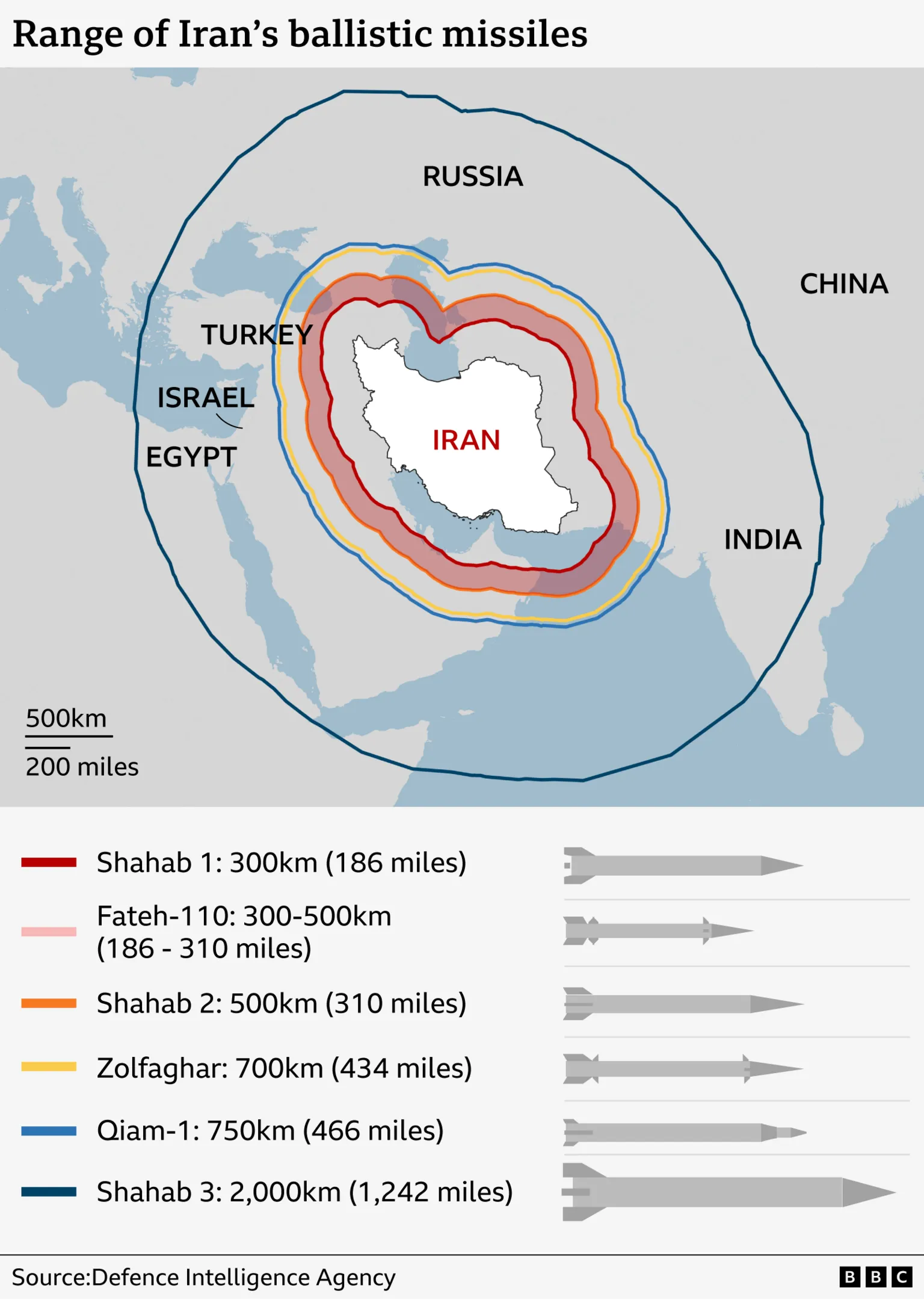
Western officials report a decline in Iranian missile launches, decreasing from hundreds on the war's first day to dozens currently. Prior to the conflict, Iran was estimated to have a stockpile exceeding 2,000 short-range ballistic missiles. Precise military inventories remain classified to maintain strategic ambiguity.
America's top commander, General Dan Caine, stated on Wednesday that Iran's ballistic missile launches have decreased by 86% since the initial day of fighting on Saturday. US Central Command (Centcom) notes a 23% reduction in missile launches within the last 24 hours.
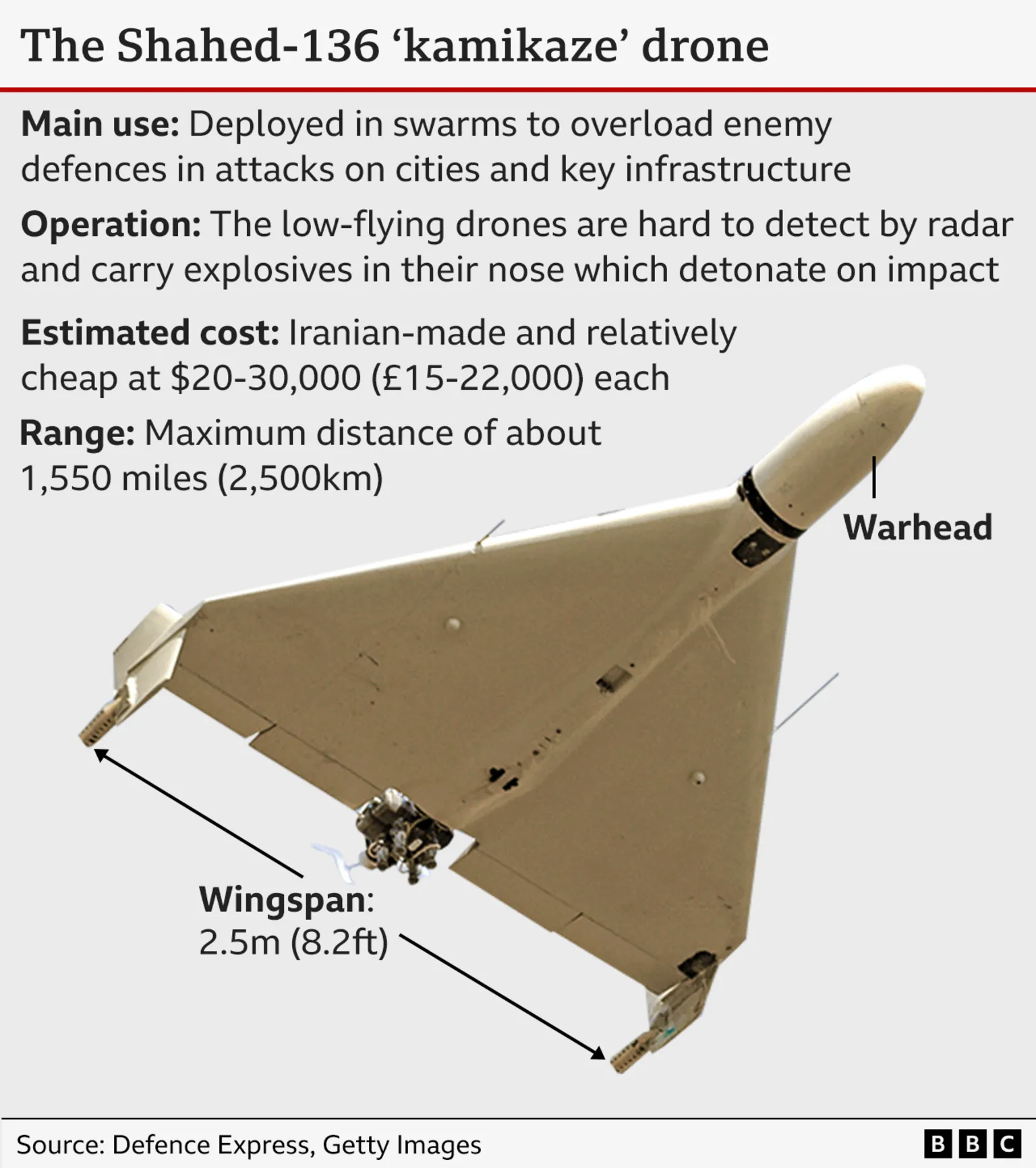
Iran reportedly mass-produced tens of thousands of Shahed one-way attack drones before the conflict. This technology has been exported to Russia, which has deployed its variant effectively in Ukraine. The US has also adopted similar designs.
General Caine indicated a 73% drop in Iranian drone launches since the conflict began, suggesting Iran is struggling to maintain a high operational tempo. This decline may represent a strategic effort to conserve stockpiles, but sustaining production will become increasingly difficult.
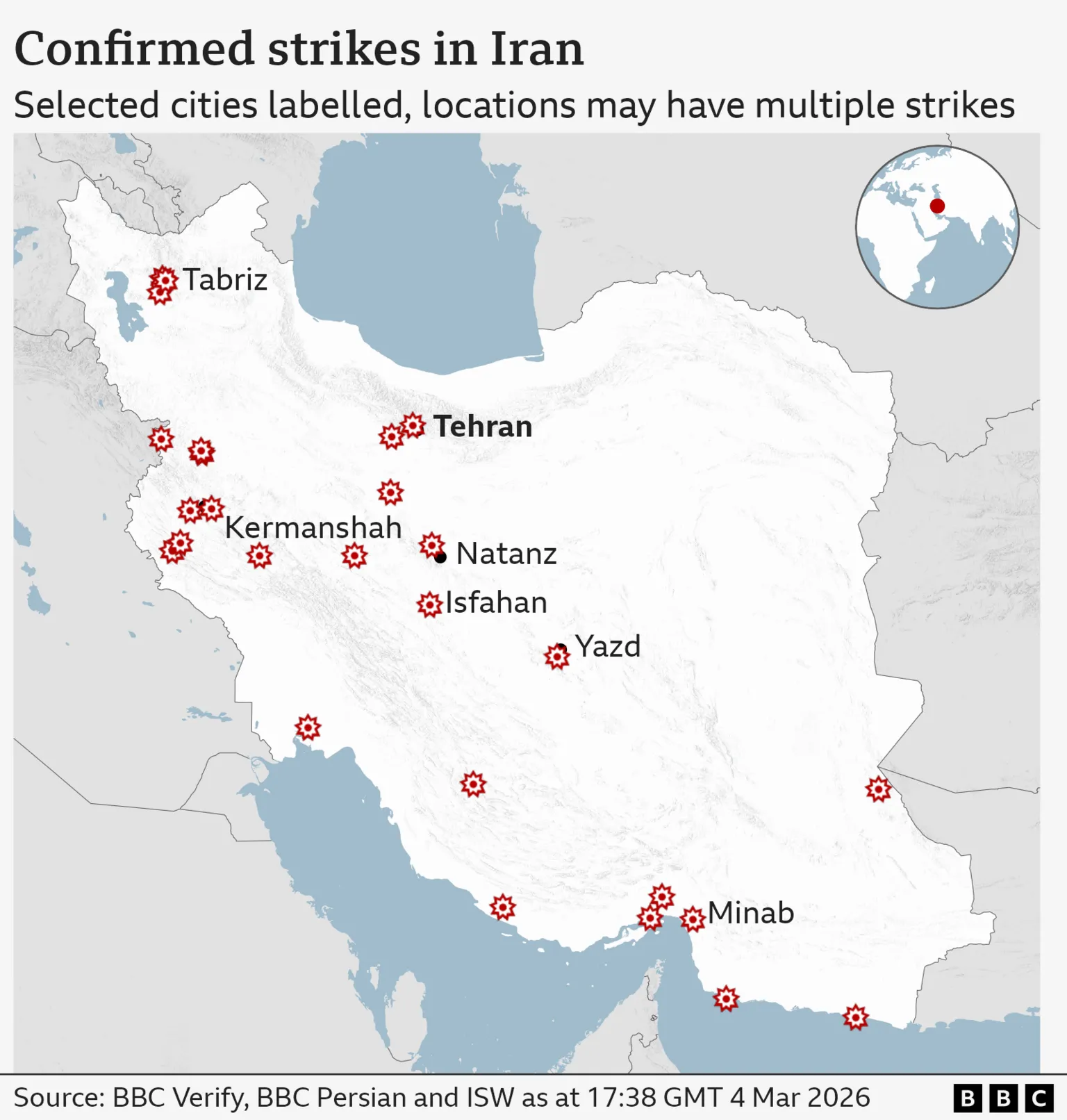
US and Israeli air forces now hold air supremacy over Iran. Most Iranian air defenses have been neutralized, and its air force is no longer credible. Centcom states that the conflict's next phase focuses on locating and destroying Iran's missile and drone launchers, weapons stockpiles, and production facilities.

While degrading Iran's combat capability may be easier now, completely eliminating its weapons stockpiles remains challenging. Iran's territory is approximately three times the size of France, allowing weapons to be concealed from aerial detection.
Historical precedents illustrate the limitations of air warfare. Despite over three years of intensive bombing, Israel has not eliminated Hamas in Gaza. Similarly, Houthi rebels in Yemen survived a year-long US bombing campaign along with some of their weapons.
The United States maintains the world's most powerful military with deeper conventional stockpiles than any other nation. However, it relies heavily on expensive precision-guided munitions produced in limited quantities. Reports indicate President Trump plans to meet with defense contractors this week to urge accelerated production, signaling potential strain on US resources.
Some pressure may have eased as the US now conducts strikes at closer range. General Caine explained that the US has transitioned from using costly "stand-off weapons" such as Tomahawk cruise missiles to less expensive "stand-in" weapons like JDAM bombs, which can be deployed directly above targets.
Mark Cancian, a former US Marine colonel and analyst at the Washington-based Center for Strategic and International Studies (CSIS), noted that after initial long-range attacks, the US "can now use less expensive missiles and bombs." He added that the US could sustain this level of combat "almost indefinitely," though the number of viable targets will decrease over time, slowing operational tempo.
Air Defenses
Mark Cancian highlighted that the US possesses tens of thousands of JDAM bombs, but expensive air defense systems are in shorter supply. These systems have been crucial in countering Iranian retaliatory attacks during the conflict's initial stages.
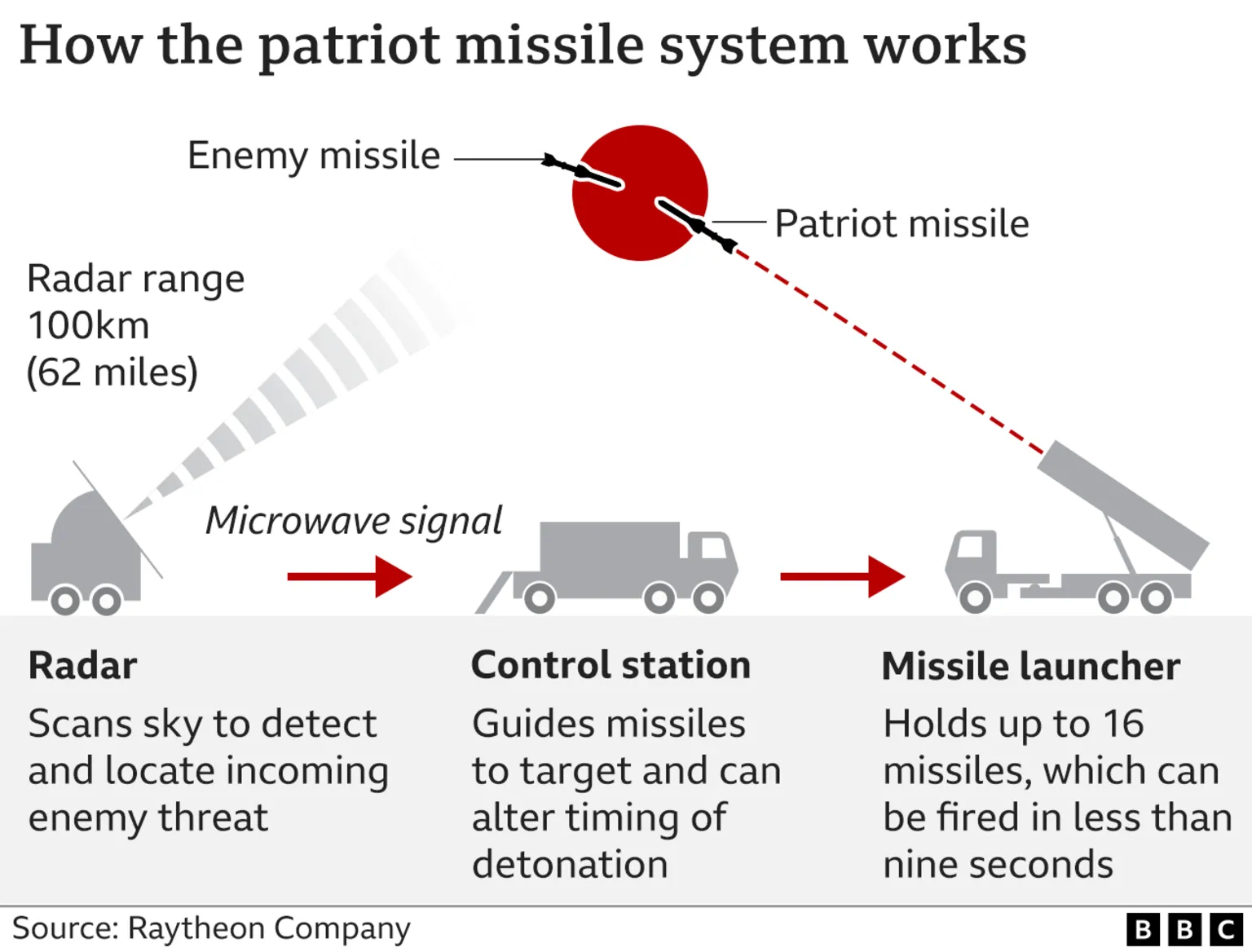
Patriot missile systems are in high demand not only by the US but also by its Arab allies and Ukraine. Each interceptor missile costs over $4 million (£3 million), and the US currently produces approximately 700 annually. Continued Iranian ballistic missile launches will deplete these limited stockpiles.
CSIS expert Cancian estimates US Patriot missile stockpiles at around 1,600 units, which have been reduced in recent days. While the US can sustain the air-to-ground campaign for an extended period, the air defense aspect is "more iffy."
If President Trump is willing to draw down on the number of Patriots, then I think we can outlast the Iranians - but it will come at a cost of risk in a potential Pacific conflict.
The scheduled meeting between President Trump and US defense firms indicates concern regarding weapon stock levels. However, US Defence Secretary Pete Hegseth asserts that "Iran can't outlast us," a statement likely accurate given current assessments.