Pipeline Resumption Ends Deadlock Over EU Loan to Ukraine
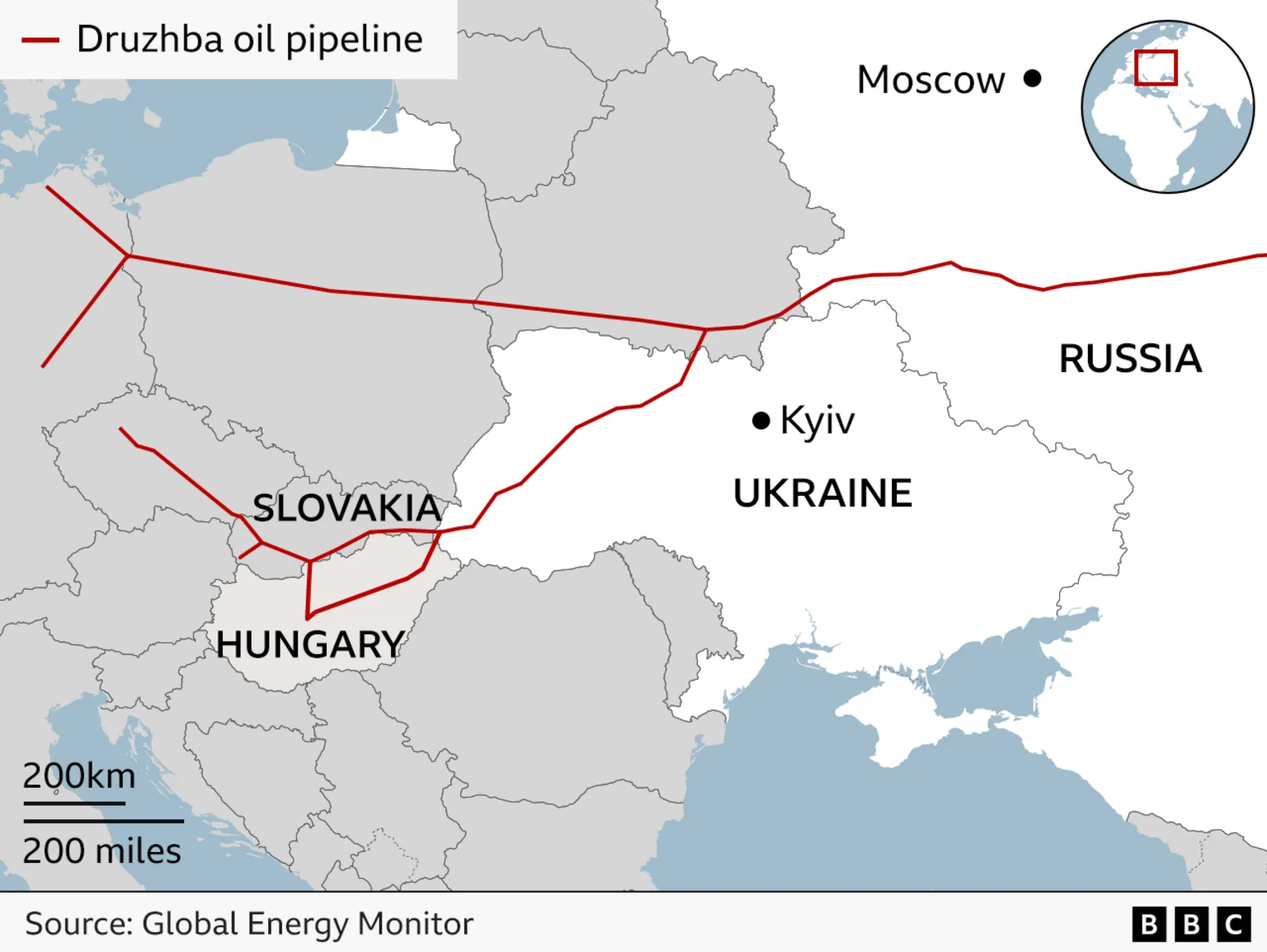
Ukraine has announced the resumption of Russian oil pumping through a pipeline supplying Hungary and Slovakia, effectively ending months of deadlock concerning a €90bn (£78bn) loan regarded as critical European Union support for Kyiv.
Shortly after this development, EU ambassadors convening in Cyprus granted preliminary approval to the loan, alongside a 20th package of sanctions targeting Russia, according to officials.
Although the funding agreement was reached in December, Hungary's Prime Minister Viktor Orbán imposed a veto on the disbursement in February following Ukraine's statement that damage from a Russian attack had halted oil supplies.
Ukrainian oil and government sources informed officials in Hungary and Slovakia that pumping had recommenced, mere hours after EU ambassadors began deliberations on the loan.
Orbán had insisted that oil flow must be restored before the loan could be released, and Ukraine confirmed that repairs were completed on Tuesday.
Orbán's recent election defeat last Sunday has also facilitated progress for the EU, ending his 16-year tenure as prime minister. Hungary's incoming leader, Péter Magyar, has prioritized improving Budapest's strained relations with Brussels.
"Ukraine really needs this loan and it's also a sign that Russia cannot outlast Ukraine,"EU foreign policy chief Kaja Kallas stated ahead of the ambassadors' meeting.
The EU funding has been described by Ukrainian Deputy Prime Minister Taras Kachka as
"a matter of life and death"for Kyiv. Approximately two-thirds of the loan will be allocated to strengthening Ukraine's defense capabilities, with the remainder supporting broader financial assistance.
Slovak Economy Minister Denisa Sakova reported that Ukrtransnaft, the energy operator managing the Druzhba pipeline in Ukraine, informed her that pressurization of the pipeline commenced Wednesday morning, with crude oil expected to flow into Slovakia on Thursday for the first time since 27 January.
The volume of oil pumping has not yet been specified, but a Ukrainian government source indicated that transit began at 12:35 local time (09:35 GMT).
Hungarian energy company Mol anticipates receiving the first oil supplies by Thursday at the latest.

Orbán, currently serving as caretaker leader until early next month, clarified over the weekend that once oil deliveries through the pipeline resumed,
"we will no longer stand in the way of approving the loan."
During the lead-up to Hungary's fiercely contested election this month, which Orbán lost, he accused Ukraine of imposing an
"oil blockade"on Hungary and neighboring Slovakia, alleging that the EU was collaborating with Kyiv against him.
Satellite imagery at the time indicated significant damage to a major oil tank at Brody in western Ukraine in late January. Kyiv maintained that repairs would require time, adding that its engineers had come under Russian attack.
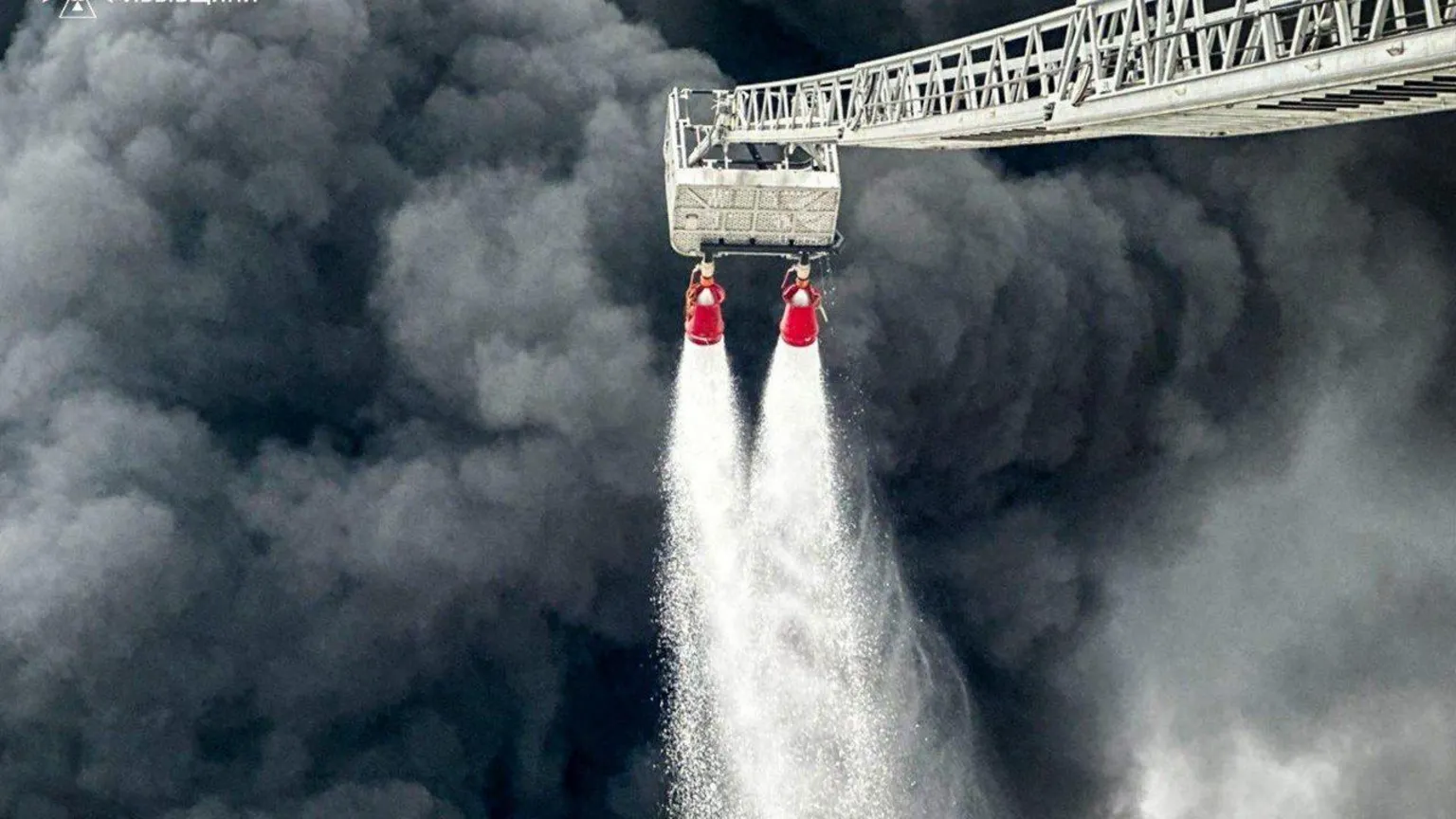
Meanwhile, Ukraine has targeted oil facilities inside Russia, including a pumping station in the Samara region linked to the Druzhba pipeline, earlier this week.
Political and Diplomatic Implications
Orbán's refusal to honor the December agreement to provide Ukraine with the €90bn loan had angered EU leaders, who had granted Hungary, Slovakia, and the Czech Republic an opt-out from the scheme.
The Hungarian leader, long regarded as the EU's closest ally to Russia's Vladimir Putin, made opposition to both Ukraine's President Volodymyr Zelensky and the EU central to his unsuccessful election campaign. Campaign posters across Hungary depicted Zelensky alongside Magyar with the message:
"They are dangerous!"
Zelensky stated late Tuesday that he had discussed unblocking the loan with European Commission President Ursula von der Leyen and European Council President António Costa, who represents the 27 member states.
"There can be no grounds for blocking it any more,"Zelensky said.
"The EU asked Ukraine to repair the Druzhba oil pipeline, which had been destroyed by Russia. We have repaired it. We hope the EU will also deliver on the agreed commitments."
If the EU loan is formally approved, Ukrainian media report that it could still take several weeks before the funds are delivered to Kyiv.