Germany's Skilled Worker Shortage and Indian Recruitment
Germany continues to face a significant shortage of skilled workers as many experienced employees retire and there are insufficient young candidates to fill their positions. To address this challenge, the country is increasingly recruiting workers from India.
For Handirk von Ungern-Sternberg, the process began with an email he received in February 2021 from India. The message conveyed that there were many young, motivated individuals seeking vocational training and inquired if there was interest in collaboration.
At the time, Von Ungern-Sternberg was employed by the Freiburg Chamber of Skilled Crafts in southwest Germany, an organization representing skilled trades such as bricklayers, carpenters, butchers, bakers, and the companies employing them.
The email arrived at a critical time.
"We had a lot of desperate employers, who couldn't find anyone to work for them," says Von Ungern-Sternberg. "So we decided to give it a chance."
His first contact was with Joachim Lederer, head of the local butchers' guild. Butchers across Germany were experiencing particular difficulties. The trade was in decline, with the number of small, family-run butcher shops dropping from 19,000 in 2002 to fewer than 11,000 by 2021. Employers struggled to recruit young apprentices.
"The butchery trade is hard work," says Lederer. "And for the last 25 years or so, young people have been going in other directions."
Meanwhile, in India, the employment agency Magic Billion, which had sent the initial email, successfully recruited 13 young individuals who arrived in Germany in autumn 2022 to begin apprenticeships in butchery in small towns near the Swiss border. Their training included time spent at college.
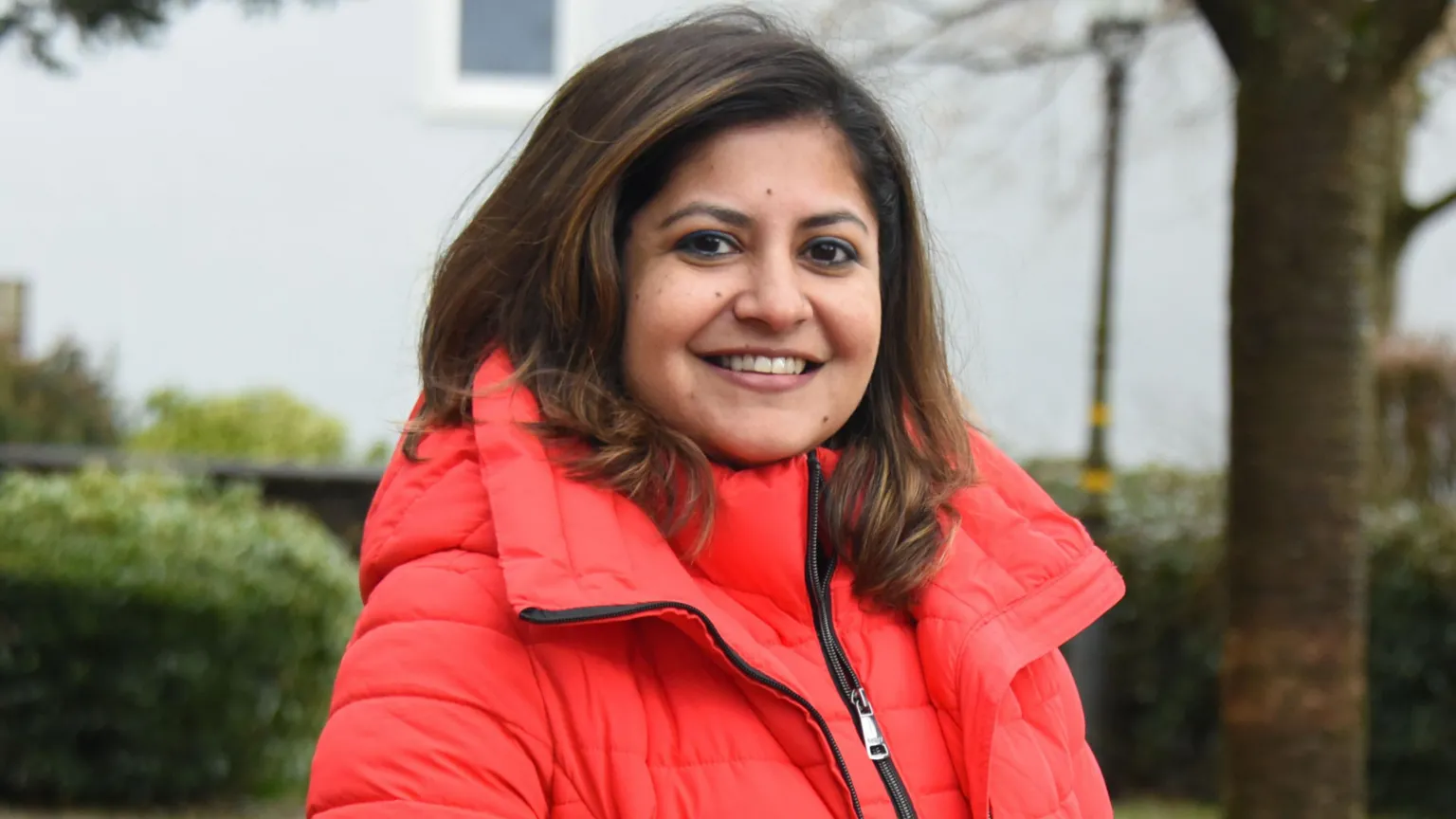
Among them was 21-year-old Anakha Miriam Shaji, for whom it was the first time leaving India.
"I wanted to see the world," she recalls. "I wanted to make my living standard so high. I wanted good social security."
Anakha started working for Lederer in Weil am Rhein, located at Germany's southwestern tip, bordering Switzerland and France.
Three years later, much has evolved. Von Ungern-Sternberg has left the chamber and established his own employment agency, India Works, in partnership with Aditi Banerjee of Magic Billion, to facilitate bringing more young Indian workers to Germany.
From the initial 13 recruits, there are now 200 young Indians employed in German butcher shops.
Germany is experiencing a demographic crisis. According to a 2024 study by the Bertelsmann Foundation think tank, the economy requires 288,000 foreign workers annually to prevent the workforce from shrinking by 10% by 2040.
As the baby boomer generation retires, there are not enough young Germans to replace them due to low birth rates. Conversely, India has a large youth population.

"India is a country with 600 million people below the age of 25," says Banerjee. "Only 12 million come into the workforce every year. So there's a huge labour surplus."
India Works plans to bring 775 young Indians to Germany in the current year to begin apprenticeships across various professions including road building, mechanics, stonemasonry, and baking.
Recruitment of skilled Indian workers has been facilitated by the 2022 Migration and Mobility Partnership Agreement between Germany and India. In late 2024, Germany increased the skilled work visa quota for Indian citizens from 20,000 to 90,000 annually.
Official German statistics indicate that in 2024 there were 136,670 Indian workers in Germany, a significant rise from 23,320 in 2015.
Young Indians employed in Germany through India Works cite similar reasons for their move: challenges finding jobs in India, higher European salaries, and aspirations for independence.
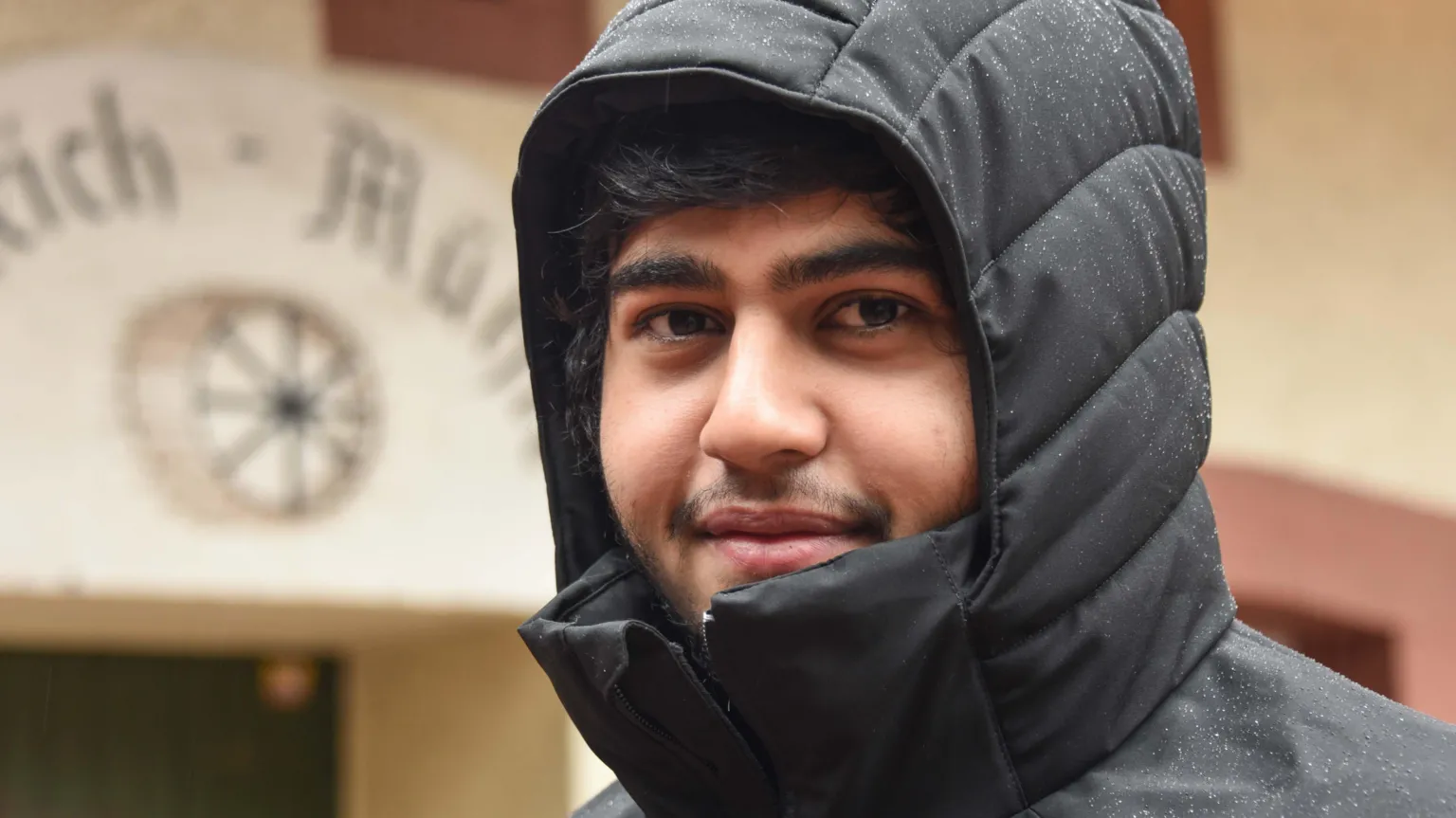
For example, Ishu Gariya, aged 20, after completing high school in India, considered university and a career in computing.
"But I didn't want to waste my money on this degree and then find work in a company for a low wage," he explains.
He relocated from a Delhi suburb to a village in Germany's Black Forest region, where he is apprenticing as a baker. His shifts end as late as 3 a.m., and he wears a hooded down jacket to withstand the cold winter, but he expresses satisfaction.
"We have high wages here," he says. "So I'll be able to help my family [back home] financially."
He also appreciates the clean air in the German countryside.
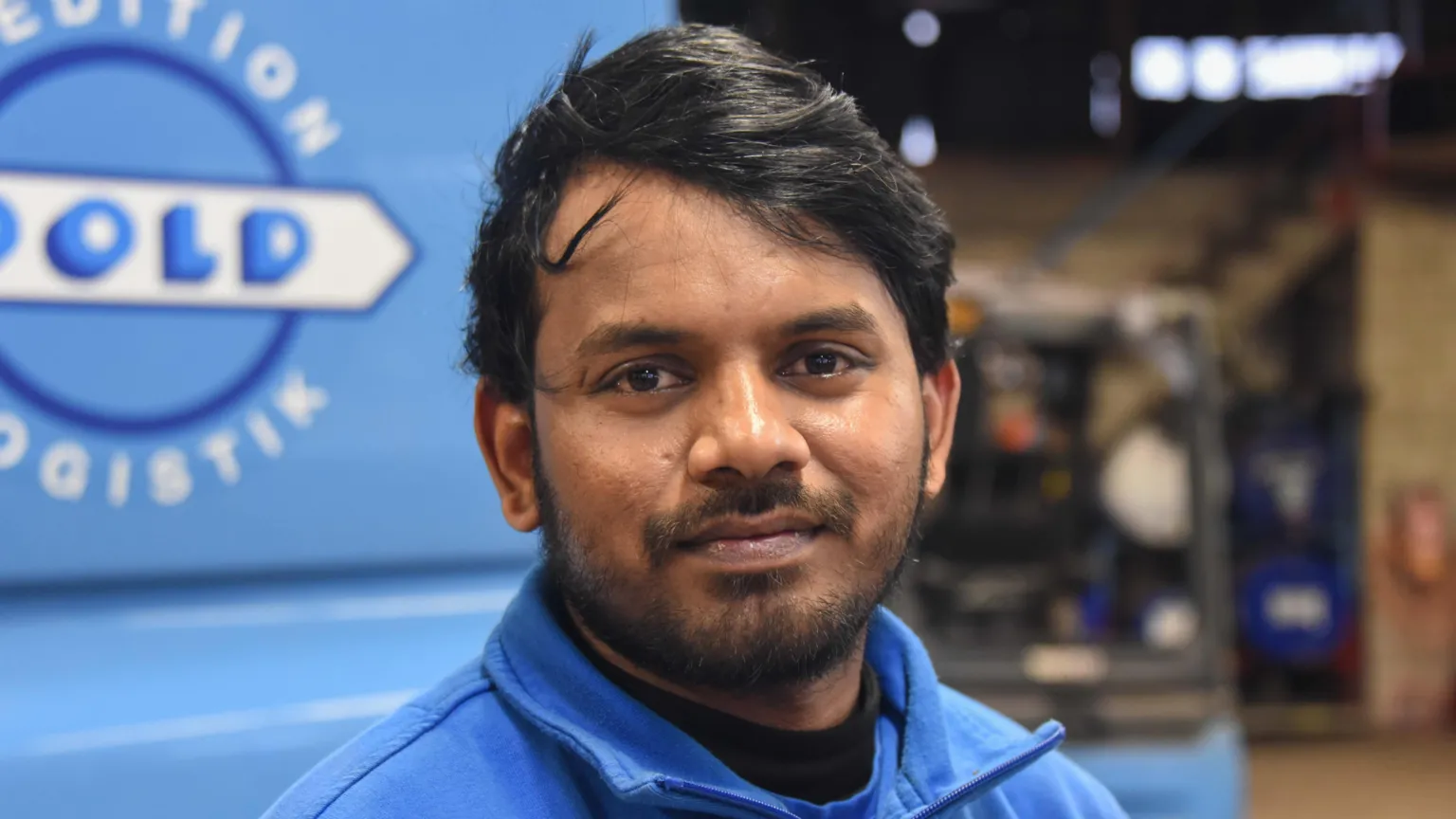
Ajay Kumar Chandapaka, 25, moved from Hyderabad to join Spedition Dold, a haulage company near Freiburg. Holding a bachelor's degree in mechanical engineering, he found it difficult to secure employment in India.
"It was very difficult for me to get a job in India," he states. "So I thought that Ausbildung would be a better role for me."
"Ausbildung" is the German term for training or apprenticeship.
Lederer, who initially took on two Indian apprentices, now employs seven. He credits these workers with sustaining his business.
"When I started out 35 years ago there were eight shops like mine within a 10km radius," he says. "Now I'm the only one left. I wouldn't be in business today without India."
At Weil am Rhein's town hall, mayor Diana Stöcker, affiliated with the conservative Christian Democratic Union, is preparing to hire Indian workers. The municipality has identified two young men who will arrive later this year to work as kindergarten teachers.
"We've been looking for teachers all over Germany," she explains. "But they're really hard to find."
Stöcker, a former member of the German Bundestag and elected mayor in 2024, recognizes the widespread difficulty in attracting young talent and states there is only one solution.
"We have to look overseas. It's the only possibility."