

Mayoral Elections Across France
On Sunday, mayors for France's major towns and cities will be elected in the final vote before the presidential elections scheduled for next year. The elections have generated particular interest in Paris and Nice.
In Paris, the capital may shift to the right after 25 years under a Socialist-led coalition if Rachida Dati, currently trailing in opinion polls, manages to defeat Emmanuel Grégoire. On the French Riviera, Eric Ciotti, a hard-right ally of Marine Le Pen's National Rally (RN), appears poised for victory.
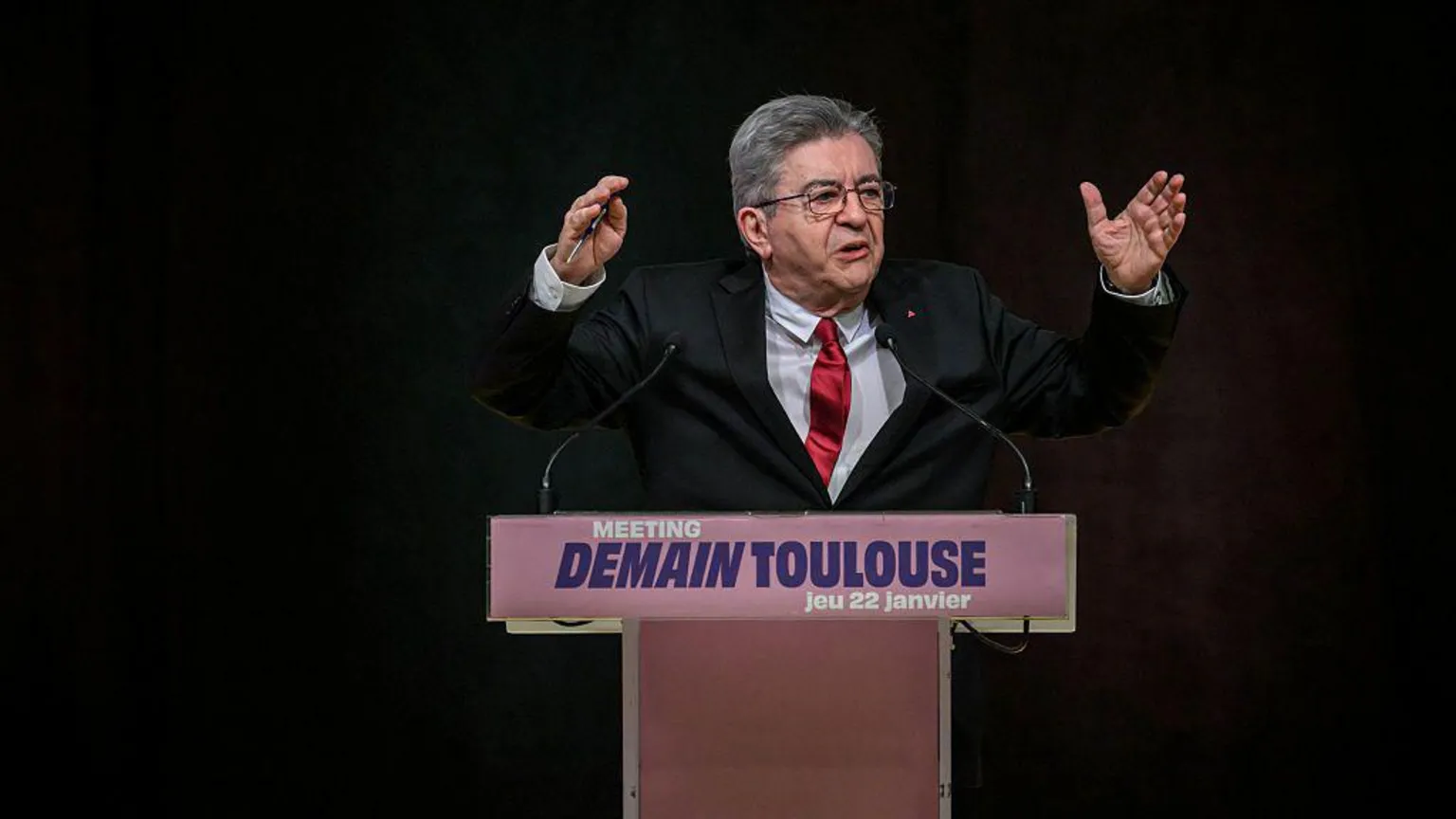
However, the most significant focus in this second round of municipal elections nationwide is on the hard-left party France Unbowed (La France Insoumise, LFI). In many municipalities, LFI has formed alliances with other left-wing groups, primarily the Socialist Party (PS) and the Greens, to consolidate the anti-right vote.
Left-Wing Alliances and Their Challenges
The central test of these elections, which hold considerable importance ahead of 2027, is whether voters support or reject these alliances. This comes amid increasing criticism directed at LFI and its leader Jean-Luc Mélenchon for alleged antisemitism and accusations of pursuing a "sectional" i.e., Muslim vote.
An emblematic example is Toulouse in the southwest, a city known for its aeronautics industry, large student population, and classic French banlieue with high-rise estates. The centre-right mayor Jean-Luc Moudenc led the first round with 37% of the vote, followed by two left-wing candidates: François Piquemal (27.5%) of LFI and Socialist François Briançon (25%).
These two left-wing candidates have now merged their lists, giving them a theoretical lead over Moudenc. Should they win, the hard-left Piquemal would become mayor of Toulouse. The key question is whether the left/hard-left alliance will mobilize or alienate Toulouse voters.
Similar left-wing pacts have been established in 26 large towns and cities, including Nantes, Grenoble, Lyon, Limoges, Clermont-Ferrand, Brest, and Tours. These alliances have provoked strong condemnation from right-wing politicians, who have labeled them "alliances of shame."

Political Context and Controversies
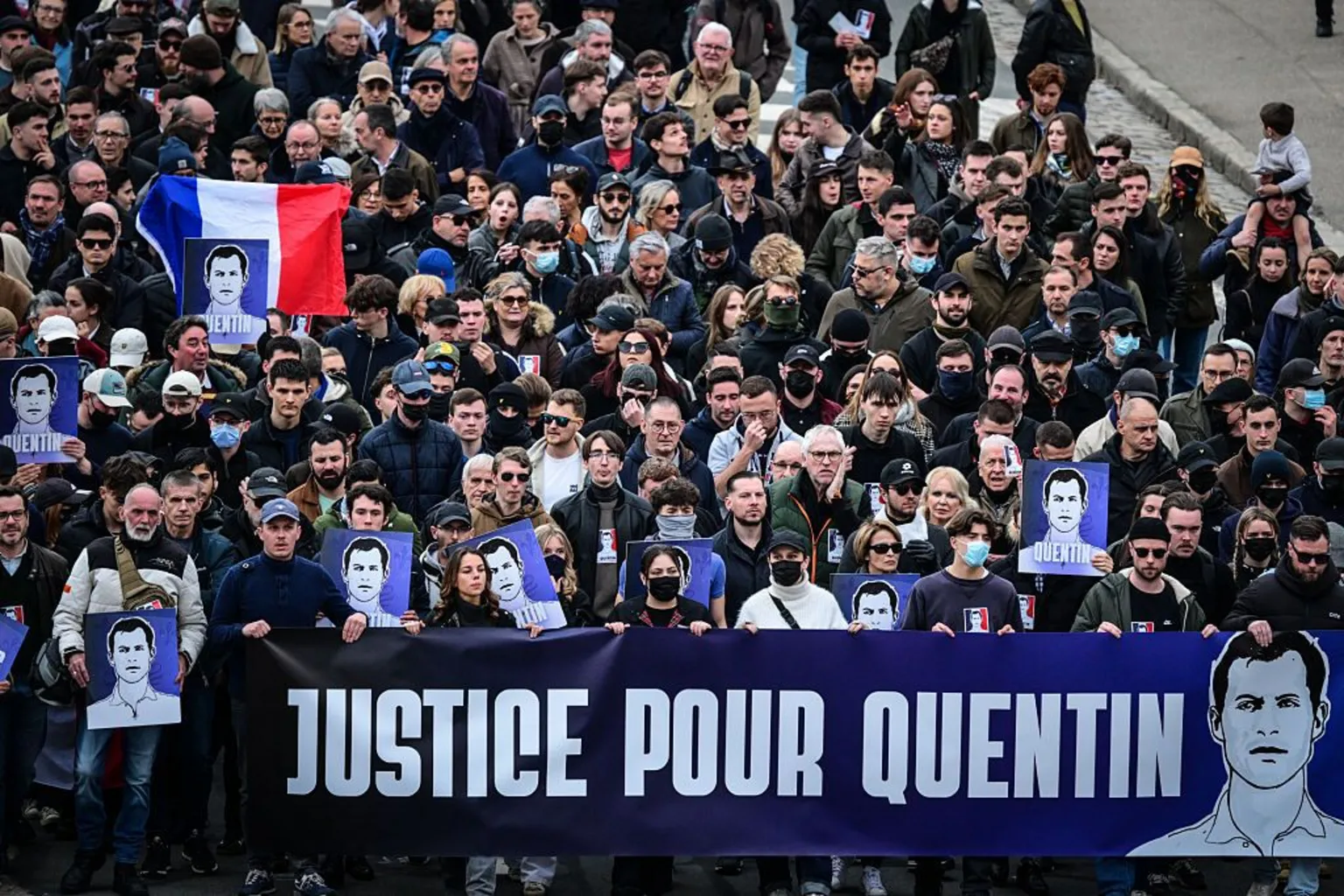
These alliances were formed just weeks after the Socialists led the mainstream left in condemning LFI, vowing to avoid any future nationwide all-left coalition unless LFI changed its approach. This followed the murder of a far-right student in Lyon by suspected far-left militants, including the parliamentary assistant of an LFI MP, and a controversial speech by Mélenchon in which he made a suggestive reference to the Jewish identity of the late sex offender Jeffrey Epstein.
Opponents of the left argue that the Socialists have abandoned their principles at the first test by re-aligning with LFI out of fear of losing votes to their left flank. In their defense, left-wing parties assert that these alliances are necessary to prevent far-right victories, even though in most cities where these pacts exist, their main opponents are from the mainstream right Republicans (LR), not the RN.
Political analysts from various perspectives interpret these developments as a sign of Mélenchon's growing confidence ahead of the presidential election next year. His objective appears to be positioning himself as the primary recipient of left-wing votes for a potential run-off against Marine Le Pen or RN president Jordan Bardella.
City-Specific Dynamics
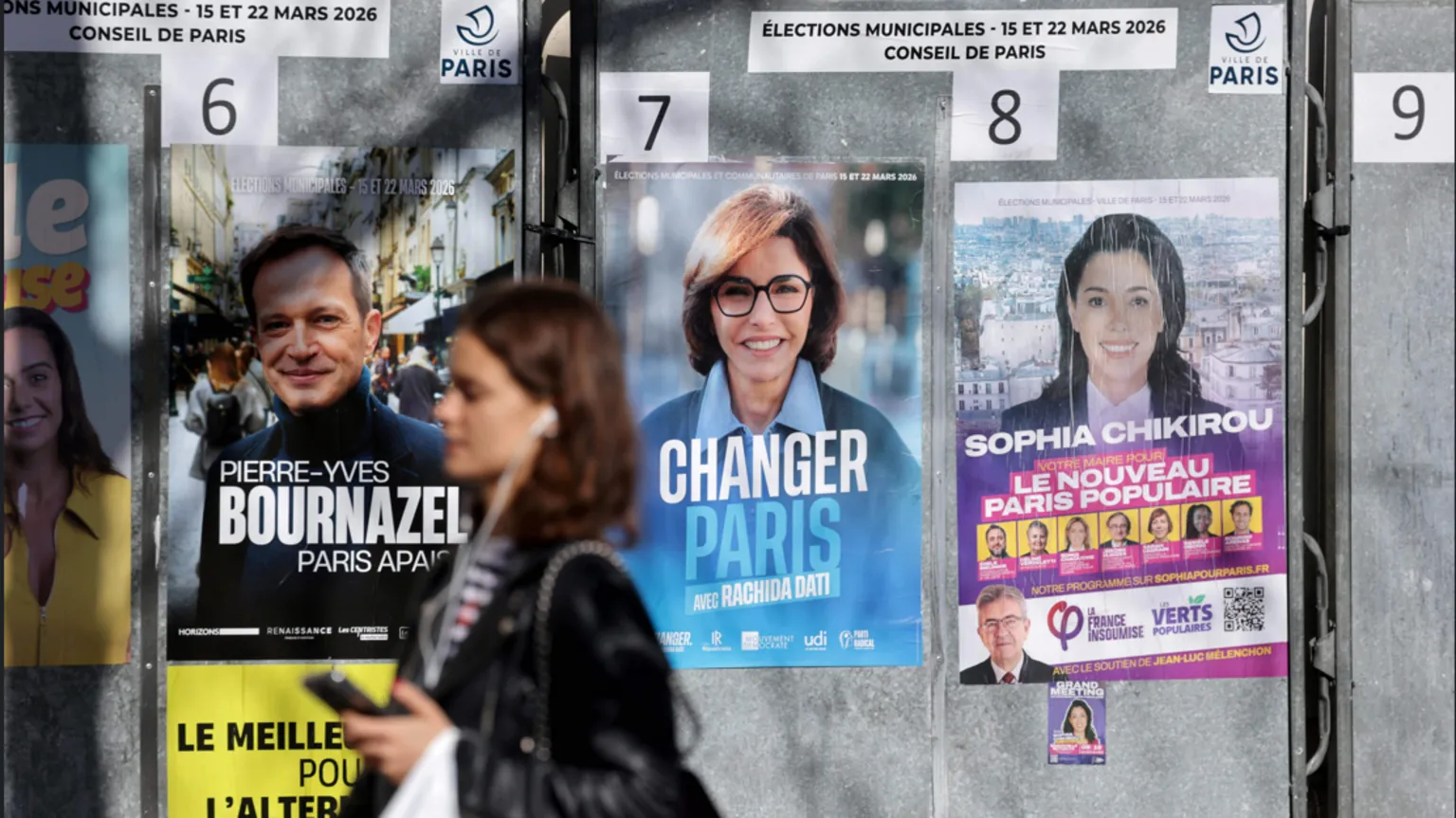
Not all cities have seen all-left pacts. In Paris, Socialist Emmanuel Grégoire declined an alliance with LFI candidate Sophia Chikirou, who remains in the race. Meanwhile, right-wing candidate Rachida Dati has benefited from the withdrawal of candidates from the centre and far-right, and polls show her narrowing the gap with Grégoire.
In Marseille, incumbent Socialist Benoît Payan has gained an advantage following the withdrawal of the LFI candidate. His main challenger from the RN, Franck Allisio, faces challenges due to an LR candidate siphoning right-wing votes. The RN continues to be limited by opponents uniting against it, as seen in Marseille and neighboring Toulon.
The hard right’s best chance for a breakthrough is in Nice, where Eric Ciotti of the RN-allied UDR party appears likely to defeat incumbent Christian Estrosi.
For centrists, the strongest news comes from former Prime Minister Edouard Philippe’s strong first-round performance in Le Havre, where he is expected to win. This result provides a significant boost to his presidential ambitions for next year.


