

Election Results Leave Denmark Without Clear Majority
Denmark is preparing for extended and complex coalition negotiations following Tuesday’s election, in which neither Prime Minister Mette Frederiksen’s leftwing bloc nor the rightwing parties secured a majority.
Despite remaining the largest party in the Danish parliament, Frederiksen’s Social Democrats experienced their worst general election result since 1903. On Wednesday morning, the prime minister visited Amalienborg palace to formally submit her government’s resignation to the king.
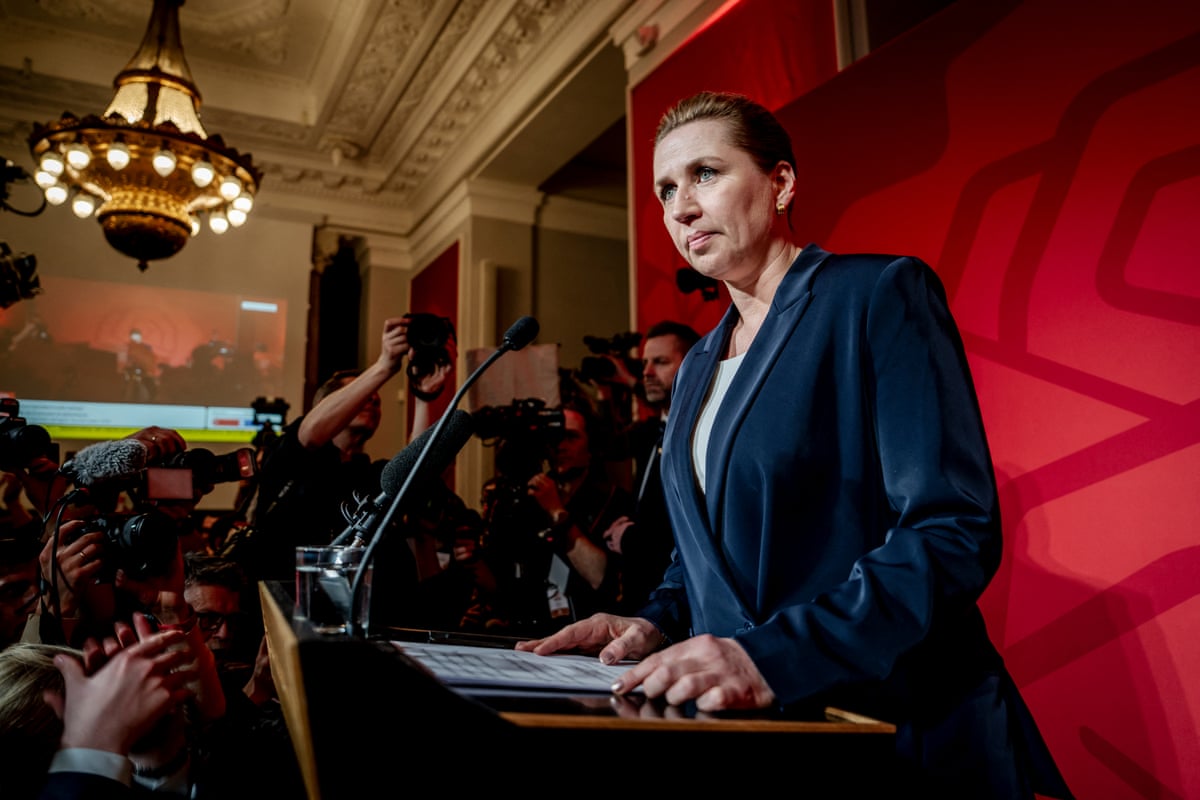
Later that day, political parties began arriving at the palace in order of size, starting with the Social Democrats, to advise the king on who should be appointed the “royal investigator.” This individual will be tasked with attempting to form a new government.
Frederiksen Addresses the Challenging Political Landscape
During a debate involving all 12 party leaders in Copenhagen on Wednesday, Frederiksen acknowledged the difficult parliamentary situation handed to the leaders by voters but emphasized the necessity of forming a government.
“The world is not waiting for us out there, and it has only become even more restless than when the election was called.”
She indicated her intention to explore forming a left-leaning government with support from Lars Løkke Rasmussen’s centre-right Moderates. However, she stressed that the appointment of a royal investigator must precede these efforts.
Balance of Power and the Role of the Moderates
The left-leaning “red bloc” secured 84 seats, while the right-leaning “blue bloc” won 77 seats in the 179-seat parliament, leaving neither with a majority. The Moderates, holding 14 seats, are positioned as potential kingmakers in the coalition formation process. Their leader, Rasmussen, a centrist, holds significant influence.

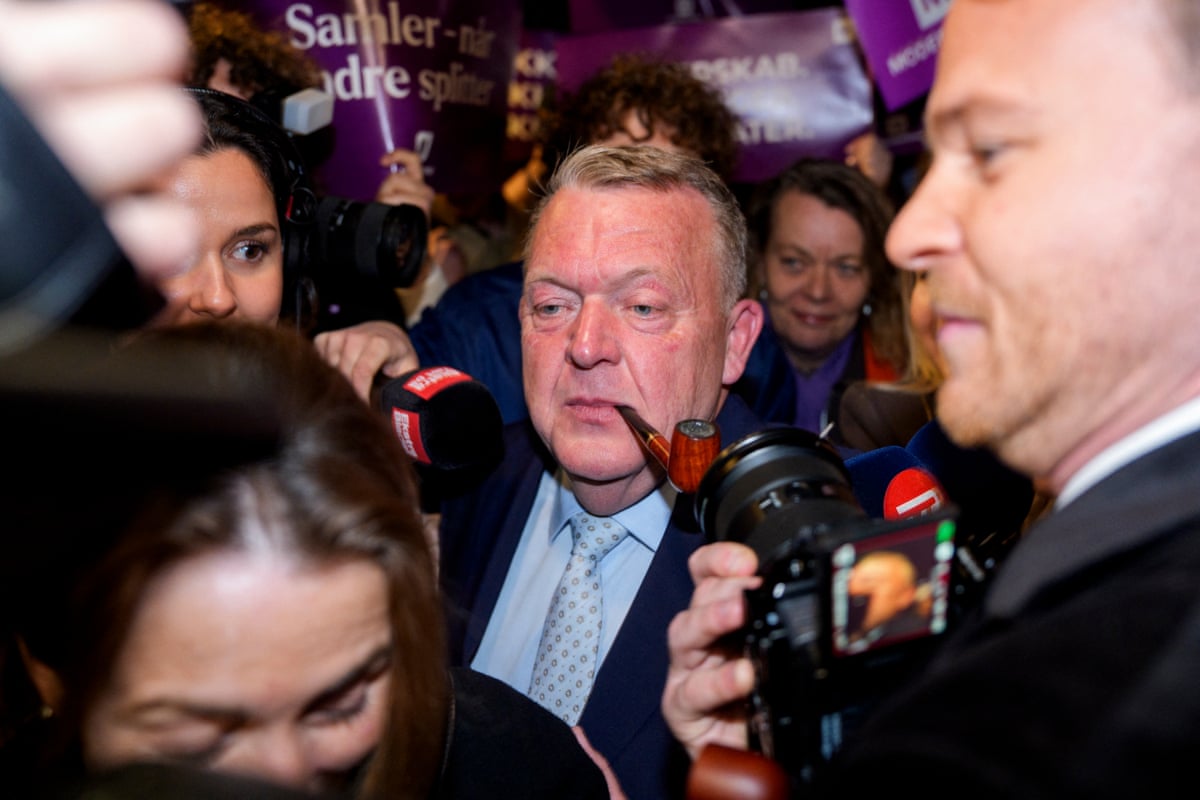
In his election night speech, Rasmussen appealed to Frederiksen and Troels Lund Poulsen, leader of the liberal Venstre party, with whom he has been in coalition for over three years, to join him in the political centre.
“What is clear – with all conceivable reservations – I think is that there is no red majority to the left of us, and there is no black-blue majority to the right of us.”
Rasmussen, known for often smoking a pipe, previously served as defence minister and has twice been prime minister. He stated prior to the election that he did not seek the prime ministership but would like to be appointed royal investigator, a role traditionally held by the prospective government leader.
Party Leaders’ Reactions and Next Steps
Following the election, Frederiksen addressed her party at Christiansborg in the early hours, acknowledging the results were below expectations but acceptable.
“We reach out for responsibility – even when it comes at a price. I am still prepared to take on the job as Denmark’s prime minister. There is just no indication that it will be easy.”
Troels Lund Poulsen declared his candidacy for prime minister and dismissed the possibility of forming a coalition with the Social Democrats.
“We need a new government. And that’s also why I’m happy that Venstre has become the largest blue party.”
On Wednesday morning, the party leaders were scheduled to debate at an event organized by the Danish Publicist Club.
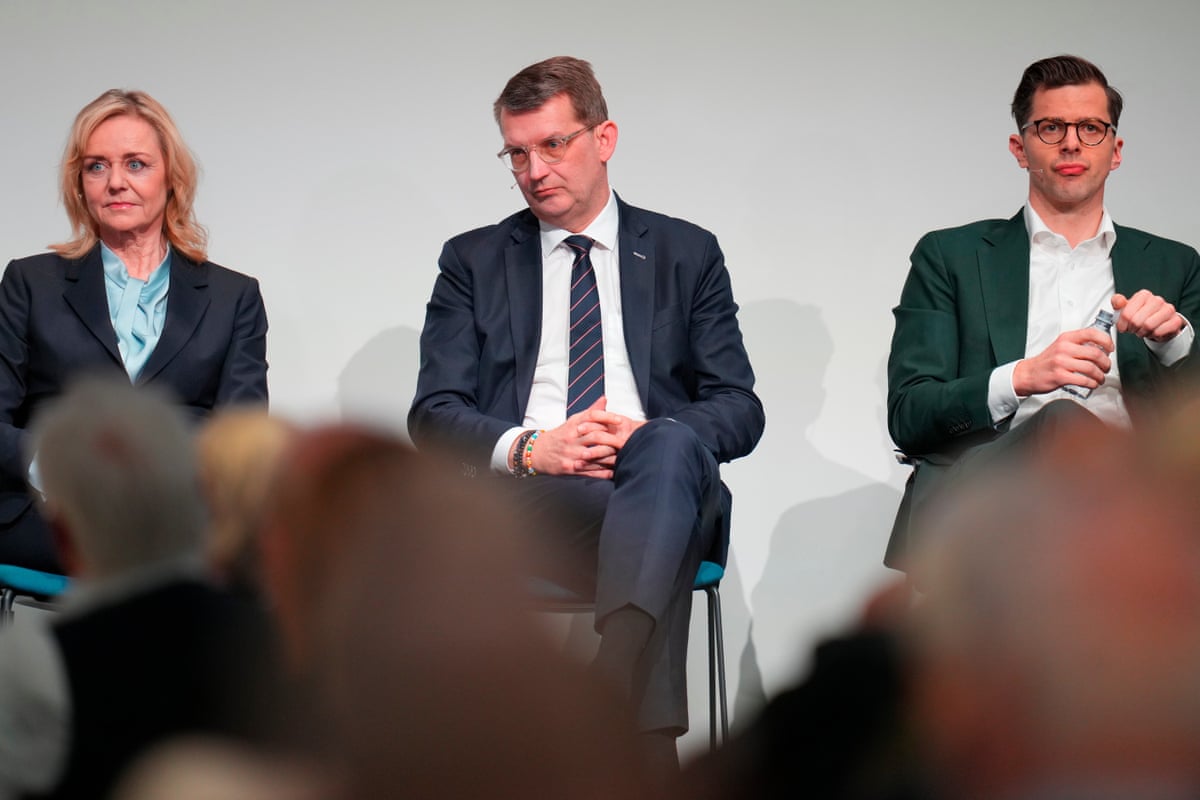
Coalition negotiations are anticipated to extend over several weeks.
Royal Palace Statement and Formal Procedures
The royal palace issued a statement confirming the king had received the prime minister and that representatives of the elected political parties would be invited to the palace from 1pm Danish time.
“After explaining the election results and the parliamentary situation, the prime minister submitted the government’s resignation and advised that representatives of the political parties that have been elected to the Folketing should now be given the opportunity to speak about the upcoming government formation.”


