Police Prepared to Disperse Sydney Protest if Crowd Exceeded 6,000
Senior public servants communicated plans indicating that police intended to disperse a protest against Israeli President Isaac Herzog in Sydney if the crowd size surpassed 6,000 people. These details emerged from messages released under freedom of information (FoI) laws, revealing information not previously mentioned in public statements by the NSW premier, Chris Minns, and police commissioner Mal Lanyon.
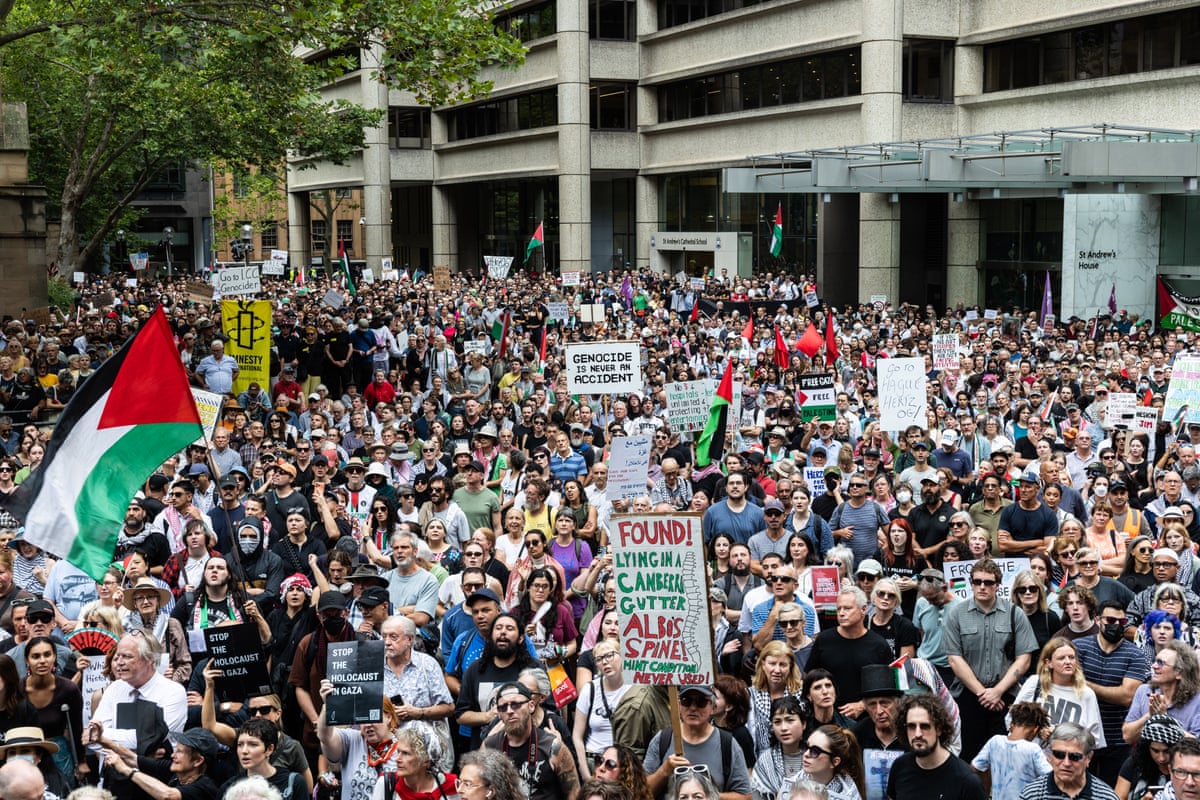
Both Minns and Lanyon have stated that police only moved to disperse demonstrators at Sydney’s town hall after protesters attempted to march in defiance of restrictions related to "major events" and public assembly rules.
Several pro-Palestine protesters have been charged with public order offences following violent clashes with police on 9 February. The Law Enforcement Conduct Commission (Lecc), an independent police watchdog, is investigating the incident. Some protesters have announced plans to pursue legal action against NSW police.
Encrypted Messages Detail Police Strategy
On the encrypted messaging app Signal, messages from the night of the protest show communication between senior officials. At 5:42pm, Simon Draper, secretary of the NSW premier’s department, messaged deputy secretary Kate Meagher:
“What’s the view from POC Kate Meagher? Numbers? Static?”
Meagher responded:
“Static for now, but there are some speakers urging marching. At least 3-4K. Police will be dispersing them if numbers exceed capacity. Crowd sentiment is reportedly calm. Lots of mums and dads.”
When asked about the event’s capacity, Meagher replied at 6:20pm:
“Likely 6K at TH [town hall].”
Meagher was working inside the NSW police operation centre (POC) during the protest. She noted at 6:31pm:
“Good news they think people have stopped arriving!”
A minute later, she added that police were “feeling ok that March [sic] not likely – maybe a splinter.”
At 7:03pm, Meagher wrote:
“Ok, some marching now,”
before clarifying these were “Attempts.” No messages covering the time of the clashes between police and protesters were released.
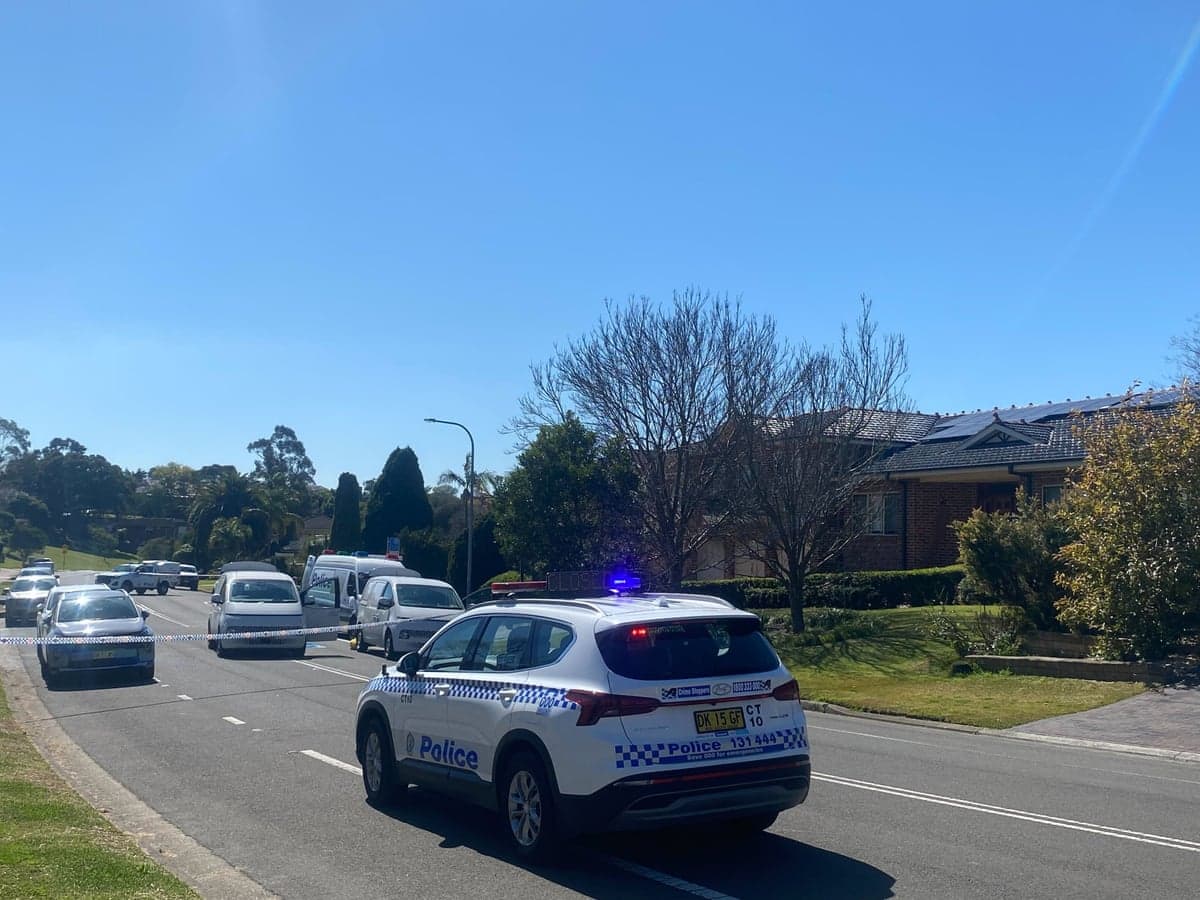
Australia reported that some protesters at town hall began attempting to march to NSW parliament around this time. Police initiated widespread efforts to disperse crowds from about 7:30pm, including arrests and the use of controversial tactics such as containment lines and pepper spray.
Violent Clashes and Police Response
Several violent confrontations were captured in viral social media footage. In one incident, protesters were aggressively moved on by police.
At a joint press conference with Commissioner Lanyon the day after the protest, Premier Minns stated that police acted after protesters attempted to march. He maintained that protest organisers were responsible for the clashes, describing them at budget estimates last month as a “ … intent on having a confrontation with police.”

Lanyon, who was seen praying with the group, has maintained that police only began dispersing the crowd because protesters sought to march.
In an interview on ABC radio on 12 February, Lanyon rejected suggestions that police coordinated efforts to move on protesters ahead of the end of a Jewish community event attended by Herzog at the nearby International Convention Centre, which concluded at about 9pm.
The Sydney Morning Herald reported that attendees at the event were held in place by police for 30 minutes to prevent contact with protesters.
Official Responses and Crowd Estimates
NSW police did not respond to questions regarding any plan to disperse protesters if the crowd reached 6,000 at town hall, stating that Australia’s questions “relate to a current Lecc investigation.”
Estimates of attendance varied. The Palestine Action Group unsuccessfully challenged the government’s use of “major event” powers before the protest in the NSW Supreme Court. Organisers said they expected about 5,000 people in town hall square, which they estimated had a capacity of about 4,500.
The Palestine Action Group stated this week that police did not inform them of any plan to disperse protesters if the crowd reached 6,000.
Assistant Police Commissioner Peter McKenna told reporters on the night of the protest, after police had dispersed the crowd, that he estimated 6,000 people had attended.
Premier Minns did not directly address whether the messages from senior public servants in his department contradicted his account of the police response.
A spokesperson for the premier said the department “coordinates agencies through the government coordination centre (GCC), which operates inside the police operations centre during all major events.”
“NSW police were operating in extraordinarily difficult circumstances,”
the spokesperson added, noting it was not appropriate to comment further during the Lecc investigation.
A spokesperson for the premier’s department clarified that the GCC is “not responsible for police operations but works to support whole-of-government efforts to address risks to public safety, traffic and transport systems issues, crowd management and communications.”
Context of Herzog’s Visit and Controversy
Isaac Herzog was invited to Australia following the antisemitic Bondi massacre in December, when 15 people were killed during a Hanukah festival. Herzog expressed his condolences during the visit.
However, the trip was controversial, with federal and NSW governments facing criticism for hosting the president of a state accused of committing genocide in Gaza.