Australia’s Energy Future Amid Global Conflict
Australia requires fuel, but the ongoing war in the Middle East highlights the urgent need to prepare for a sustainable energy future.
to the Clear Air Australia newsletter to receive updates directly in your inbox.
Three years ago, the Albanese government received a confidential report from the Office of National Intelligence assessing how the climate crisis could exacerbate national security threats. However, the report remains undisclosed to the public, deemed too sensitive even for a redacted release.
Independent MPs were briefed on the report in late 2024 following their concerns. Senator David Pocock described the findings as
“frankly terrifying”and warned that
“we’re woefully unprepared for what’s coming”.Beyond this, little is publicly known except for a 2023 report that highlighted potential cascading economic shocks from supply chain disruptions, goods shortages, and failing energy systems.
These concepts can be difficult to grasp, but the current repercussions of the illegal air war in the Middle East provide a real-time example of such vulnerabilities. The conflict, initiated on a shifting and often unclear rationale, has significant global implications.
While the primary concern in any war is the devastating human toll across multiple countries, a critical secondary issue is the risk associated with dependence on the global fossil fuel market. This situation underscores the financial and national security advantages of accelerating renewable energy adoption.
Oil prices have fluctuated in correlation with recent remarks by Donald Trump, but the cost of petroleum fuels has risen sharply since hostilities began and the Strait of Hormuz—a key transit route for about 20% of the world’s seaborne oil and liquefied natural gas—was closed.
In Australia, the war’s effects have been immediate. Although Chris Bowen, the climate change and energy minister, has publicly assured that fuel supplies remain secure, some regional service stations have reportedly run dry. Bowen acknowledged a surge in diesel demand—100% in Mildura and 238% in the Barossa—but maintained that supply chains remain intact. Nonetheless, consumers are stockpiling in anticipation of potential shortages.
Such concerns are understandable given Australia’s limited refining capacity: only two refineries and approximately 32 days’ worth of diesel reserves, according to Bowen. This stockpile duration is precarious if imports are disrupted or panic buying continues. Consequently, the Coalition questioned fuel availability during question time on Tuesday.
However, this focus on immediate fuel supply is narrow and backward-looking. While current fuel availability is critical, it is equally important to strategize for the future.
Where are the parliamentary discussions on reducing petrol and diesel dependence and accelerating electrification for homes, businesses, and vehicles? On Tuesday, only one question was raised on this topic by independent MP Nicolette Boele.
Meanwhile, the link between renewable energy and national security is gaining recognition internationally. Climate activist Bill McKibben and economist Paul Krugman have argued that
“renewable energy offers a path to energy independence”regardless of political leaders such as Trump, Benjamin Netanyahu, or those controlling Iran.

The UN Secretary-General António Guterres emphasized that during previous oil shocks, countries had no choice but to
“absorb the pain”.However, he noted that now
“they have an exit ramp”.He stated,
“Homegrown renewable energy has never been cheaper, more accessible, or more scalable. The resources of the clean energy era cannot be blockaded or weaponised.”
Minister Bowen echoed this sentiment on Monday, stating
“the one form of energy which Vladimir Putin or a Middle Eastern crisis cannot interrupt is the flow of sun and the flow of wind”.He added that Australia is better prepared for gas and oil market disruptions now than it was during Russia’s invasion of Ukraine in 2022.
There is merit in this perspective: electric vehicle sales in Australia have tripled recently, and the share of electricity generated from renewable sources has increased from 35% to nearly 44%. This shift has nearly halved the summer electricity demand met by gas power plants. Bowen also highlighted government initiatives to produce low-carbon alternatives to liquid fossil fuels using feedstocks such as canola, sorghum, and sugar.
Despite these advances, it remains unclear how fully the government embraces this transition. Reports prior to the May federal budget indicate pressure to reduce a successful household battery subsidy scheme and to remove a fringe benefits tax exemption for electric vehicles priced under approximately $91,000.
The rationale for these changes is straightforward: both programs have cost more than initially forecast, tend to benefit wealthier individuals, and the federal budget is in structural deficit. There is a case for better targeting the tax exemption.
However, the original reasons for these policies should not be overlooked. The rapid increase in household battery installations benefits not only individual consumers but also the broader electricity grid by maximizing the use of solar energy generated on rooftops that might otherwise be wasted. This reduces reliance on costly fossil fuel generators during peak demand periods.
Regarding electric vehicles, Australia still lags behind many countries despite years of policy inaction. The government introduced a vehicle efficiency standard requiring automakers to reduce average tailpipe emissions from new cars annually. However, the standard is less ambitious than analysts suggest it could be, excluding some larger models. Moreover, replacing the national vehicle fleet with newer, cleaner models will take years, resulting in gradual reductions in national climate pollution.
Meanwhile, the climate crisis continues to accelerate. On Saturday, reported on a study finding that the average global temperature has risen much faster over the past decade than during the previous 45 years. The current rate is approximately 0.35°C per decade, up from 0.2°C, indicating a rapid warming of the planet.
A recent study also suggested that sea levels are already higher than typically assumed in model-based research. If accurate, this implies that future sea level rise and associated storm surges could have more severe impacts on coastal areas.
Collectively, these factors present a compelling argument that now is the critical moment to support Australians in transitioning to cleaner energy. Evidence indicates this shift would reduce costs, improve health outcomes, and lessen vulnerability to volatile fossil fuel markets. Waiting for the future is futile when it is already unfolding.
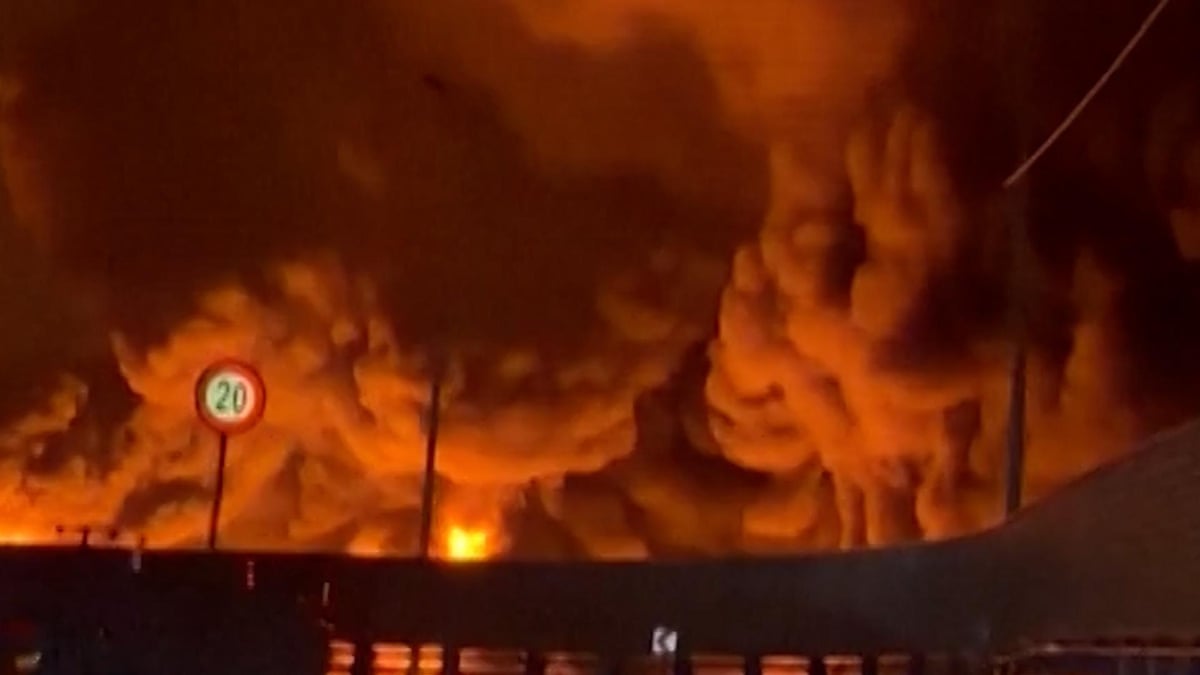
Tehran oil sites on fire as Iran exchanges strikes with Israel and US – video report