

Myanmar President's Visit to India
Myanmar President Min Aung Hlaing is undertaking a five-day visit to India, during which he has engaged in discussions with Prime Minister Narendra Modi. The talks have covered a range of topics including trade, connectivity, border security, and defence cooperation.
This visit marks Min Aung Hlaing's first trip abroad since assuming the presidency earlier this year. It is being closely observed as an indicator of how regional powers plan to interact with Myanmar's military-backed government following a controversial election and ongoing civil conflict that began after the 2021 coup.
Shared Border and Regional Implications
Myanmar and India share a 1,643-kilometre (1,021-mile) border. Developments in Myanmar often have direct consequences for India's north-eastern states, where security concerns, migration flows, and cross-border trade are closely linked to events in Myanmar.
Background of the Coup and Conflict
In February 2021, Min Aung Hlaing, then commander-in-chief of Myanmar's armed forces, seized power by overthrowing the elected government led by Aung San Suu Kyi, shortly after her National League for Democracy secured a landslide election victory.
The military takeover triggered widespread protests that escalated into an armed resistance and civil war, resulting in thousands of deaths, millions displaced, and significant areas outside military control.
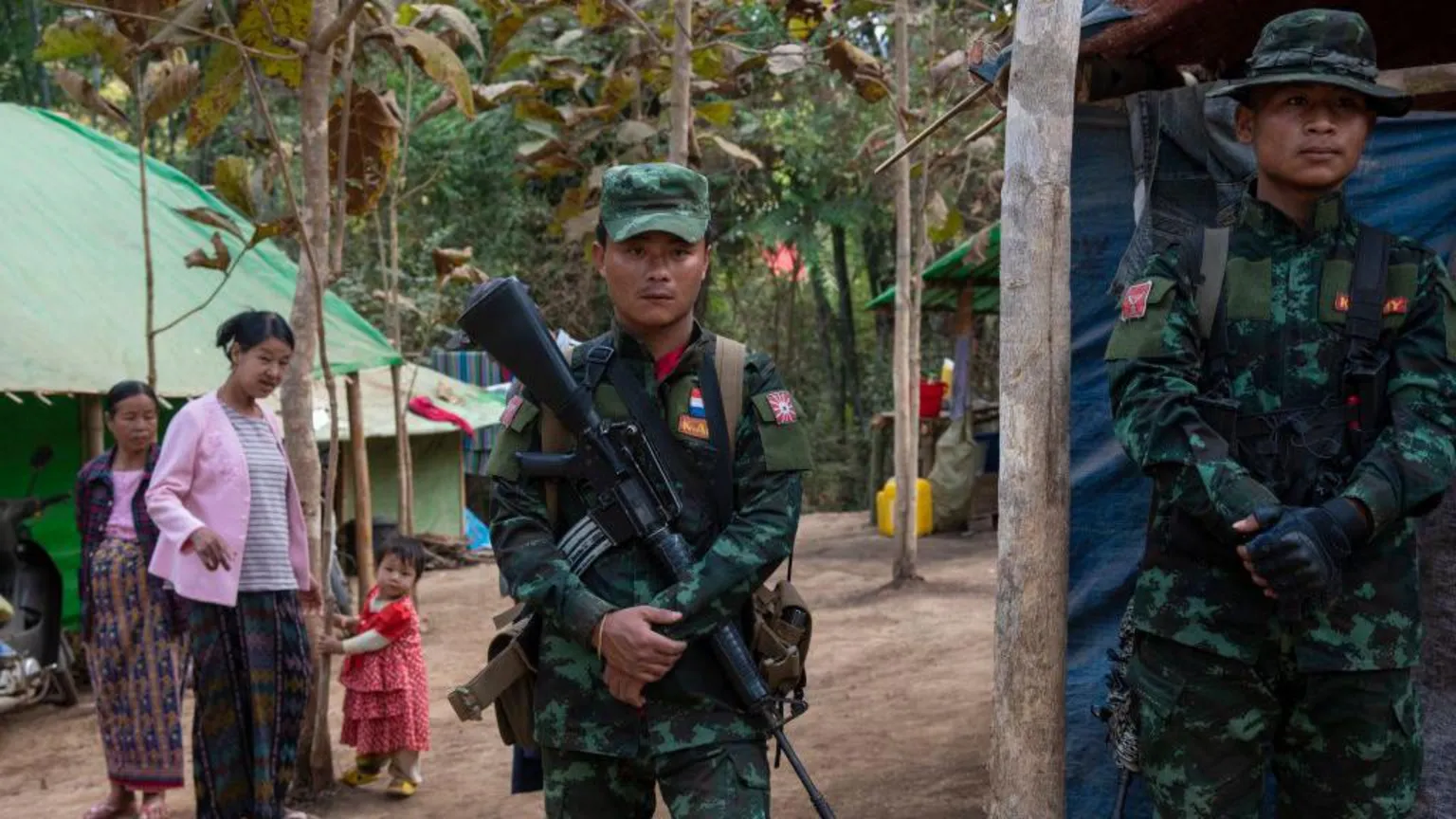
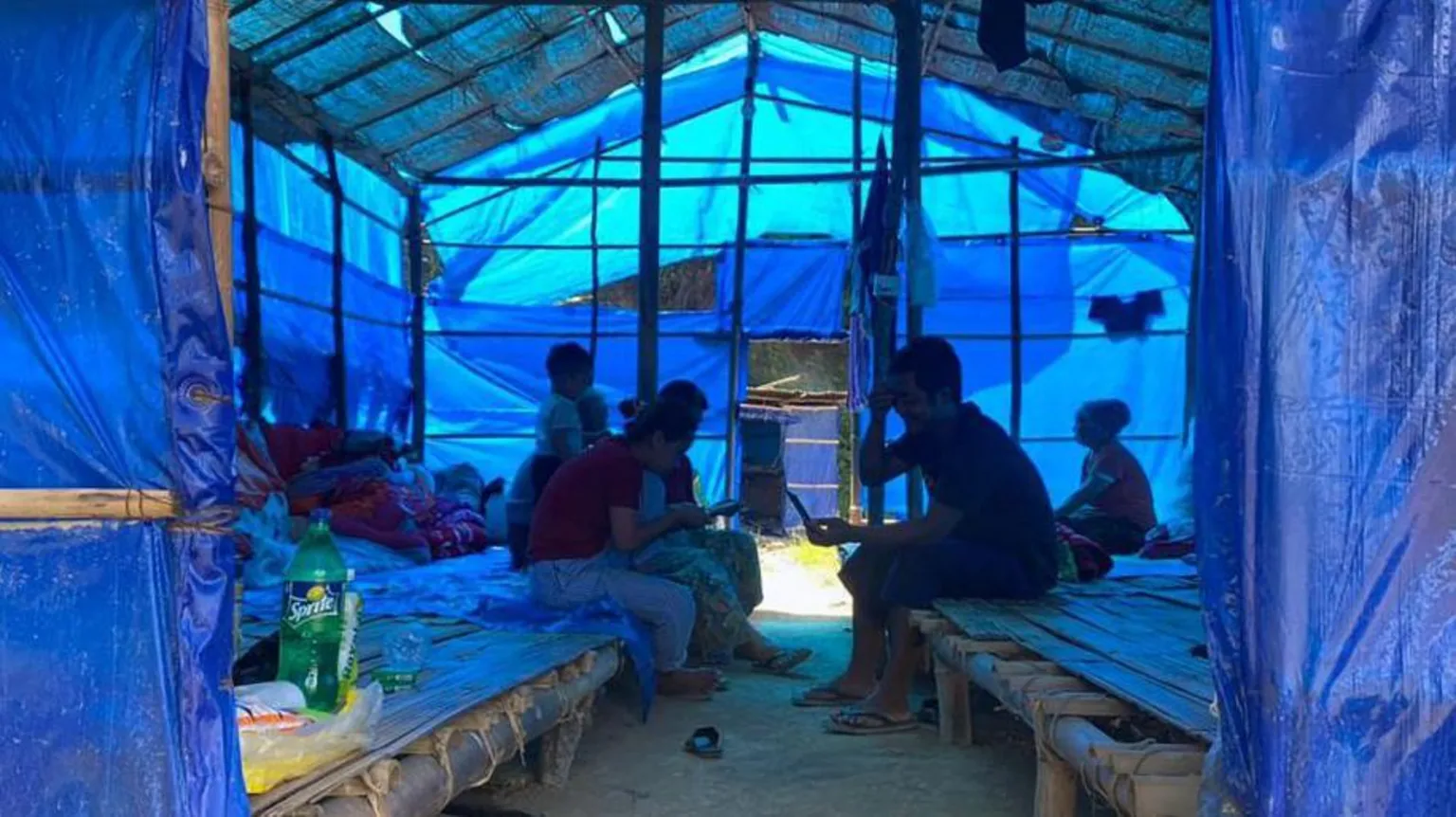
The conflict has also affected India, with thousands of refugees, many from Myanmar's Chin ethnic minority, seeking shelter in the north-eastern Indian states of Mizoram and Manipur.
Recent Elections and Political Developments
Myanmar conducted elections between December 2025 and January 2026. The military-backed faction won decisively in polls where many opposition parties were barred from participating and conflict-affected regions were unable to vote. In the resulting parliament dominated by military loyalists, Min Aung Hlaing was elected president in April.
Authorities described the election as a step toward civilian governance. However, opposition groups, Western governments, and international observers criticized the process, arguing it would not diminish military control. The authorities maintained the election was free and fair.
Previous Foreign Visits and Context
Between the 2021 coup and his presidential election, Min Aung Hlaing visited Russia and China. This current visit to India is his first foreign trip since taking office in April. Prime Minister Modi's last official visit to Myanmar was in 2017.
Details of the Talks
During the discussions, Modi and Min Aung Hlaing addressed Myanmar's political situation. India's Foreign Secretary Vikram Misri stated at a press conference that the Indian prime minister raised broader issues concerning democracy in Myanmar and discussed the status of Aung San Suu Kyi, who remains under strict house arrest.

"Delhi continues to support 'enduring peace' and an inclusive process involving all stakeholders in Myanmar," Misri said, emphasizing that sustained dialogue rather than disengagement offers the best chance for progress.
Myanmar's state-run English-language newspaper, the Global New Light of Myanmar, published a joint statement highlighting both countries' agreement on preventing the misuse of Myanmar's territory for activities detrimental to their security interests.
Min Aung Hlaing reiterated Myanmar's assurance that its territory "would not be permitted to be used against India's security interests," while Modi reaffirmed India's support for Myanmar's sovereignty and territorial integrity.
Visit Itinerary and Activities
Upon arrival in India on 30 May, Min Aung Hlaing visited Bodh Gaya and offered prayers at the Mahabodhi Temple, the site where Buddha is believed to have attained enlightenment. He subsequently traveled to Delhi for official talks before proceeding to Mumbai, where he met with business leaders to explore investment opportunities and enhance bilateral trade.
Significance of the Visit
Analysts view the visit as significant for Myanmar's leadership, which seeks to expand diplomatic engagement after years of international criticism and isolation.
Rajiv Bhatia, a former Indian ambassador to Myanmar, told the BBC, "It is a big diplomatic gain for Myanmar because with this visit the president is getting validation from the world's largest democracy."
Gautam Mukhopadhaya, another former Indian ambassador to Myanmar, commented that Min Aung Hlaing "is trying to acquire greater regional and international respectability as an elected president."
For India, the visit reflects a longstanding perspective that strategic interests in Myanmar outweigh concerns about the nature of the government in Nay Pyi Taw.
Bhatia outlined India's three broad interests in Myanmar: stability along its north-eastern frontier, the success of its Act East policy, and managing the strategic implications of China's growing influence in the country.
Myanmar holds a key position in India's regional strategy as the only member of the Association of Southeast Asian Nations (ASEAN) sharing a land border with India.
Bhatia noted that the visit could have a "positive impact" on ASEAN countries as they seek to develop a coherent approach to the Myanmar issue.
Strategic Competition and Regional Dynamics
Analysts also emphasize Myanmar's role in the broader strategic competition between India and China. Myanmar provides China with access to the Bay of Bengal, reducing Beijing's reliance on the Strait of Malacca for trade and energy routes.
Mukhopadhaya stated that since 2017, China has expanded its influence in Myanmar and openly supports its military leadership to advance its strategic and economic interests.
Myanmar's Relations with Western Countries
The visit occurs amid Myanmar's strained but evolving relations with Western nations. The United States and several allies imposed sanctions on Myanmar's military leadership following the 2021 coup.
Mukhopadhaya observed that the US administration under Donald Trump "hasn't shown much interest" in Myanmar during its second term and has suspended much foreign assistance, including support for refugees and opposition groups.
Bhatia added that the Quad countries—comprising the US, India, Japan, and Australia—appear to share an interest in restoring stability in Myanmar.
Impact on India-Myanmar Border and Security
The ongoing conflict in Myanmar has altered conditions along the India border.
"In the last few months, the Myanmar army has been able to push back the armed struggle to the east and north. They are closely watching the western border, and it is quite likely that they will seek cooperation from India in containing the armed struggle against the military," Mukhopadhaya said.
Bhatia concluded, "India ultimately wants to see a more stable Myanmar emerge from the conflict. Clearly, a more independent Myanmar is what India is looking for."
Follow India on Instagram, YouTube, Twitter, and Facebook.


