Ghana Welcomes Pope's Apology
Ghana has expressed its approval of Pope Leo XIV's apology regarding the Catholic Church's historic involvement in slavery, describing the gesture as an "act of moral courage" that plays a vital role in the global pursuit of "truth, human dignity and justice."
The Pope issued the most explicit apology to date for the Church's role in legitimizing slavery and its prolonged failure to condemn the practice over centuries.
This apology was published on Monday as part of the Pope's first major teaching document of his papacy, which also addressed the risks associated with artificial intelligence (AI).
Historical Context of Slavery in Ghana
Ghana was a significant center in the transatlantic slave trade, where millions of Africans were captured and forcibly transported on ships, many never returning to their homeland.
Between the 16th and 19th centuries, an estimated 12 to 15 million Africans were shipped to the Caribbean, with approximately two million dying during the voyages.
Ghana has been at the forefront of efforts seeking compensation and formal apologies from Western nations for their roles in the slave trade.
The government of Ghana stated that the Pope's acknowledgment of this painful history constitutes an important step toward healing, reconciliation, and the establishment of a just society.
"[The apology] reinforces the growing global understanding that confronting historical injustices demands truth-telling and moral responsibility as essential foundations for justice and reconciliation," the statement released late Tuesday said.
The Papal Apology and Its Significance
The Pope's apology was delivered through an encyclical—a formal letter traditionally addressed to Catholic bishops but increasingly used by popes to communicate messages to the wider world.
In the papal letter titled "Magnifica Humanitas" ("Magnificent Humanity"), Pope Leo sincerely sought pardon on behalf of the Church, expressing that it was "impossible not to feel deep sorrow when contemplating the immense suffering and humiliation endured by so many."
He acknowledged that Church authorities had, at times, responded to rulers' requests by "regulating and legitimising forms of subjugation, including the enslavement of [non-Christians]."

The Pope also recognized that during the Middle Ages, ecclesiastical institutions themselves owned slaves.
"This constitutes a wound in Christian memory," he stated regarding the Church's historical record.
Pope Leo's African Visit and Ghana's Response
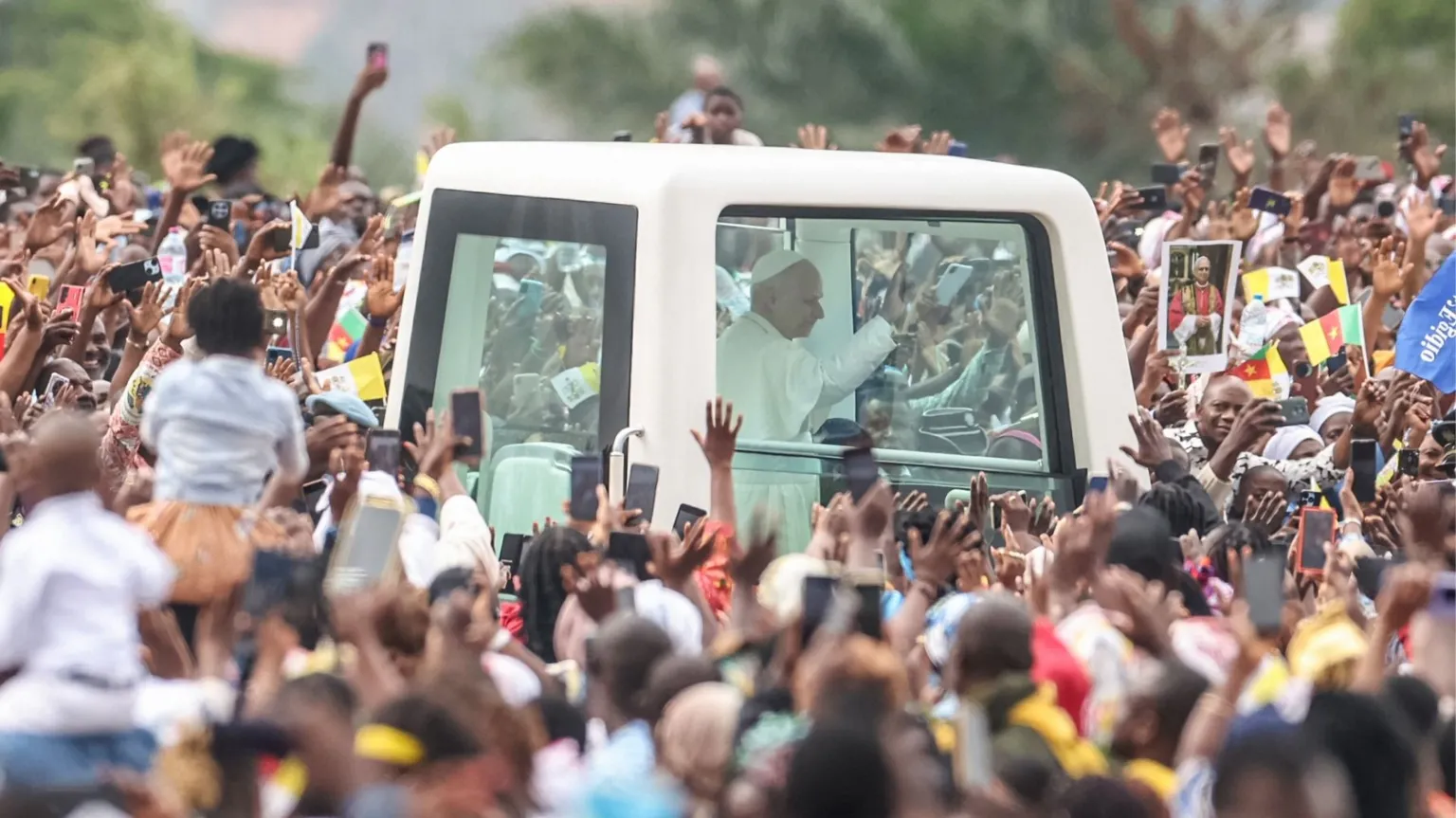
In April, Pope Leo completed an 11-day visit across four African nations—Algeria, Cameroon, Angola, and Equatorial Guinea—marking his first trip to the continent as pontiff. During this visit, he made several candid remarks, including criticism of foreigners exploiting Africa's wealth for profit.
Ghana highlighted the significance of the Pope's recognition of the "painful history," especially as the world engages in deeper reflection on the legacies of slavery and colonialism.
The country successfully advocated for a United Nations resolution in March that recognized the enslavement of Africans as the "gravest crime against humanity."
Submitted by Ghana's President John Mahama and supported by the African Union, the resolution aims to facilitate healing and the payment of reparations.
It also seeks to address the ongoing consequences of slavery, such as inequality and racial discrimination.
Ghana, which still preserves some of the forts used to detain captives under inhumane conditions before their shipment to the Americas by European powers, is scheduled to host a conference in June to discuss subsequent steps following the adoption of the UN resolution.
Calls for Reparative Justice
On Tuesday, Human Rights Watch acknowledged the Pope's apology as a significant milestone but emphasized that apologies alone are insufficient without substantive reparative justice.
The rights organization urged religious institutions, as well as states and corporations that benefited from slavery, to "reckon seriously" with their histories and actively participate in reparative efforts.
Additional reporting by Makuochi Okafor