Robots in Hospitals: Moxi's Role
Across hospitals in the United States, patients and staff have grown familiar with a one-armed, four-foot-tall, white robot known as Moxi. Manufactured by Diligent Robotics, Moxi assists by transporting medical supplies within hospital environments.
Nurses often greet Moxi with a "good morning," a high five, or even a hug. In response, Moxi may display heart-shaped LED eyes accompanied by a series of beeps as a form of greeting.
"We get a lot of feedback that Moxi feels like a part of the team," says Todd Brugger, chief operating officer at the Texas-based robotics company, which currently operates approximately 100 of these wheeled robots.
However, hospitals do not necessarily purchase Moxi robots outright. Instead, Moxi is available through rental or subscription arrangements.
Robotics-as-a-Service Model
Robotics companies refer to this approach as robotics-as-a-service. This model bundles the robot itself with services such as maintenance and software upgrades. Additionally, a human engineer may remotely monitor and control the robot if necessary.
Regarding Moxi, Brugger explains: "It lowers the expense and the outlay for the hospital because you're not paying for the full purchase up front. Secondly, and I think more importantly, this tech is evolving very quickly… we're routinely evolving the software and capabilities of the robot."
Robot rentals are available for durations ranging from a single day to multiple years and serve various functions, including hospital deliveries, robot bartenders, and autonomous agricultural weeders.
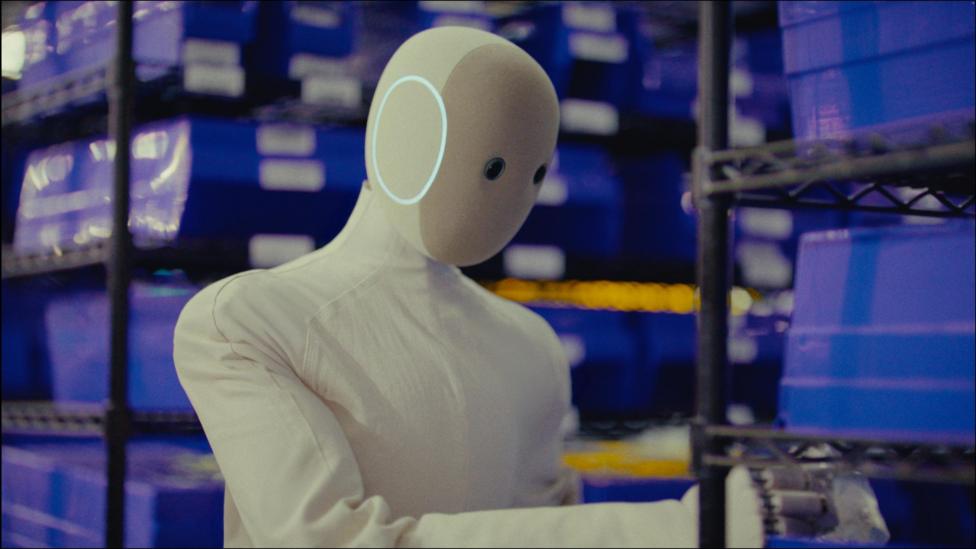
Increasingly, early humanoid robot models designed to resemble and operate like humans are also available for rent. These robots function in environments tailored for human use.
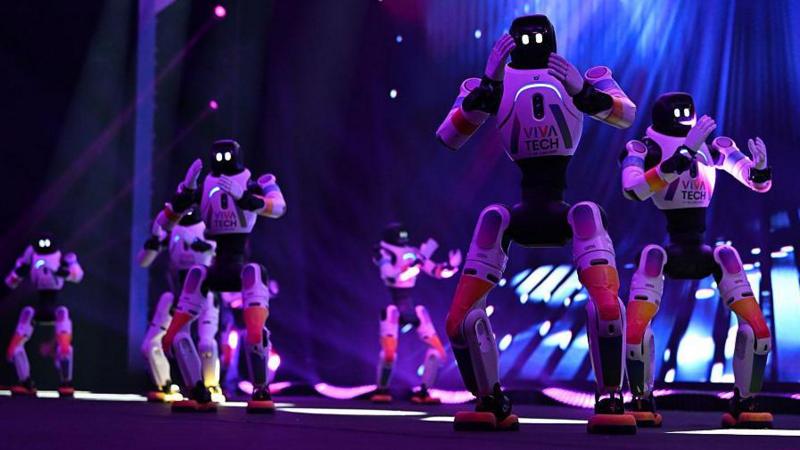
Given that humanoid robots are still under development, they are generally rented for specific tasks, often in entertainment. Depending on the model, such robots may perform dances, sing, or serve guests at weddings or corporate events.
Humanoid Robots and Entertainment
Ethan Qi, associate director at Counterpoint Research based in Beijing, notes that programming a humanoid robot to perform a dance routine is relatively straightforward.
"You hire a real dancer to perform and video it. The video is then used to train the robot. Then the robot will know how to dance. But the engineer will still often go with the robot in case the environment or the platform isn't simple," he says.
Renting to Keep Pace with Rapid Tech Advances
Beyond entertainment, ambitions for humanoid robot rentals extend to practical applications such as household assistance.
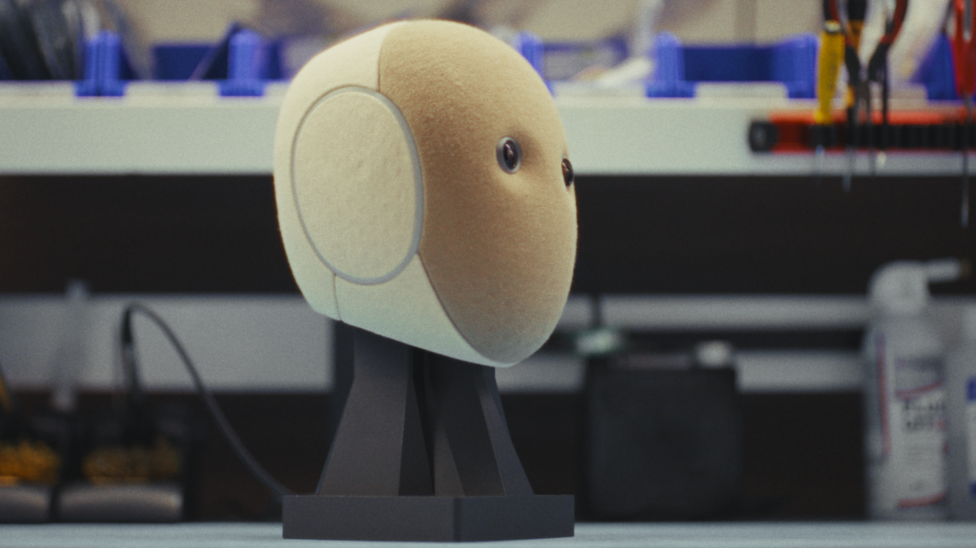
California-based company 1X plans to begin shipping its home assistant robot, NEO, later this year. Customers in the United States who opt for "early access" can either purchase NEO outright for $20,000 (£15,000) or at $499 (£378) per month.

Dar Sleeper, vice president of product and design at 1X, states: "While many customers will buy a NEO outright, a subscription significantly lowers the upfront cost, making it affordable for far more people."
One advantage of renting over purchasing is the rapid pace of robotics technology development. Buying a humanoid robot today may result in owning an outdated model soon after.
Qi adds: "Every year the robotics companies release a new model, a new iteration of the hardware. If you own a robot, you can't trade it for a new one, but if you rent a robot, you can always rent the newest."
Renting also eliminates the need for extensive technical expertise, as customers can rely on manufacturers or rental platforms for support.
Qi explains: "It helps to solve technical problems because customers don't know how to code the robots."
Industrial Robot Rentals and Payment Models
Humanoid robots are not the only category driving demand for rentals. Chicago-based company Formic operates a fleet of over 250 industrial robots on a robot-as-a-service basis.
Shawn Fitzgerald, chief revenue officer at Formic, states: "Everything is included. If the robot arm burns out, that's on us and we need to come bring you a new one."
Fitzgerald argues that Formic's flat monthly payment model "levels the playing field" for smaller companies traditionally unable to afford factory robots outright. The company is also testing humanoid robots for industrial applications.
Alongside flat-rate payments, alternative rental fee structures are emerging. Marco Wang, analyst at Interact Analysis, notes that some companies link rental fees directly to the amount of human labor a robot can replace.
For manufacturers, rental schemes provide revenue and opportunities to test products in real-world environments, collecting valuable data. This is particularly significant for humanoid robots, whose technology remains immature.
Wang comments: "The technology is still not there. It's still immature."
Global Reach of Robot Rentals
Chinese firms, leaders in humanoid robotics and rental schemes, have leased robots to hotels as training grounds for future domestic use. Others offer rentals through cleaning service applications.
Chinese companies have expanded rentals internationally via partnerships. Shanghai-based Agibot, for example, offers humanoid robots for rent in 17 countries, including the United Kingdom.
Despite the growth of rentals, Wang from Shanghai suggests that outright purchases will remain dominant in China, supported by government incentives.
He states: "There are a lot of humanoid robot orders from Chinese state-owned companies and a lot of orders driven by subsidies."
In China and elsewhere, some companies may prefer outright purchases for reasons including prestige, technology learning, or financial considerations.
However, as robotic technology advances and the market expands, rental options offer convenience and affordability for many users.