

Personal Experiences Highlight Headlight Glare Issue
When Jane Kingsbury, 80, last had her eyes tested, her optician confirmed her eyesight was fine. However, Jane, from Cambridge, has decided to stop driving at night due to the discomfort caused by the glare from other vehicles' headlights, which makes her feel unsafe.
"I am worried about the glare from oncoming lights," she says.
At a discussion group Jane attends, over 90% of participants expressed reluctance to drive after dark due to similar concerns. Consequently, they have adjusted their meeting times from 7.30pm to 1.30pm for much of the year to avoid driving in the dark.
"Over 90% of us did not want to drive in the dark," says Jane. "So we have changed the time of our meetings from 7.30pm to 1.30pm [for much of the year] so that we can drive home before dark."
Jane and her peers are not isolated in their experiences. In a debate at Westminster in October, Members of Parliament expressed widespread concerns about bright headlights. Some MPs noted social isolation among constituents who avoid night driving due to fear of dazzling lights.
The RAC motoring organisation, which has campaigned on the issue of headlight dazzle, conducted a survey in January 2024 involving 1,745 UK drivers. More than half of respondents believed the problem had worsened over the previous year, and a third of those affected reported feeling less safe when driving at night.
This issue affects drivers across age groups. Emily McGuire from Essex, in her 30s, shared her experience with the BBC, stating that she sometimes cannot discern if an oncoming vehicle’s main beam is on or off, and after the vehicle passes, her vision remains impaired for several minutes.
"I am in my 30s and sometimes I can't tell if [other vehicles'] main beam is on or off and once they have passed, I can't see properly for a good few minutes, it's terrible."
Owning a smaller car, Emily feels unable to avoid the bright lights from larger vehicles. She experiences migraines triggered by extremely bright lights and often has to look away or slow down significantly on dark country lanes.
"I suffer with migraines when a car approaches me with extremely bright lights, I have to look down or in the other direction… I also have to slow right down when it's really dark and I'm on a country lane."
Experts indicate that the problem is intensifying. Denise Voon, clinical advisor at the College of Optometrists, notes a marked increase in complaints about headlight glare over the past 15 years.
"I am a practising optometrist and I've noticed that maybe 15 years ago, you rarely had people coming in complaining about headlight glare. But now it's becoming more and more prevalent."
The issue has gained international attention, with the United Nations mandating automatic headlight level adjustment for all new cars. However, this regulation applies only to new vehicles, leaving millions of existing cars unaffected.
This raises questions about possible solutions for the current fleet of vehicles causing discomfort and why this problem was not anticipated earlier.
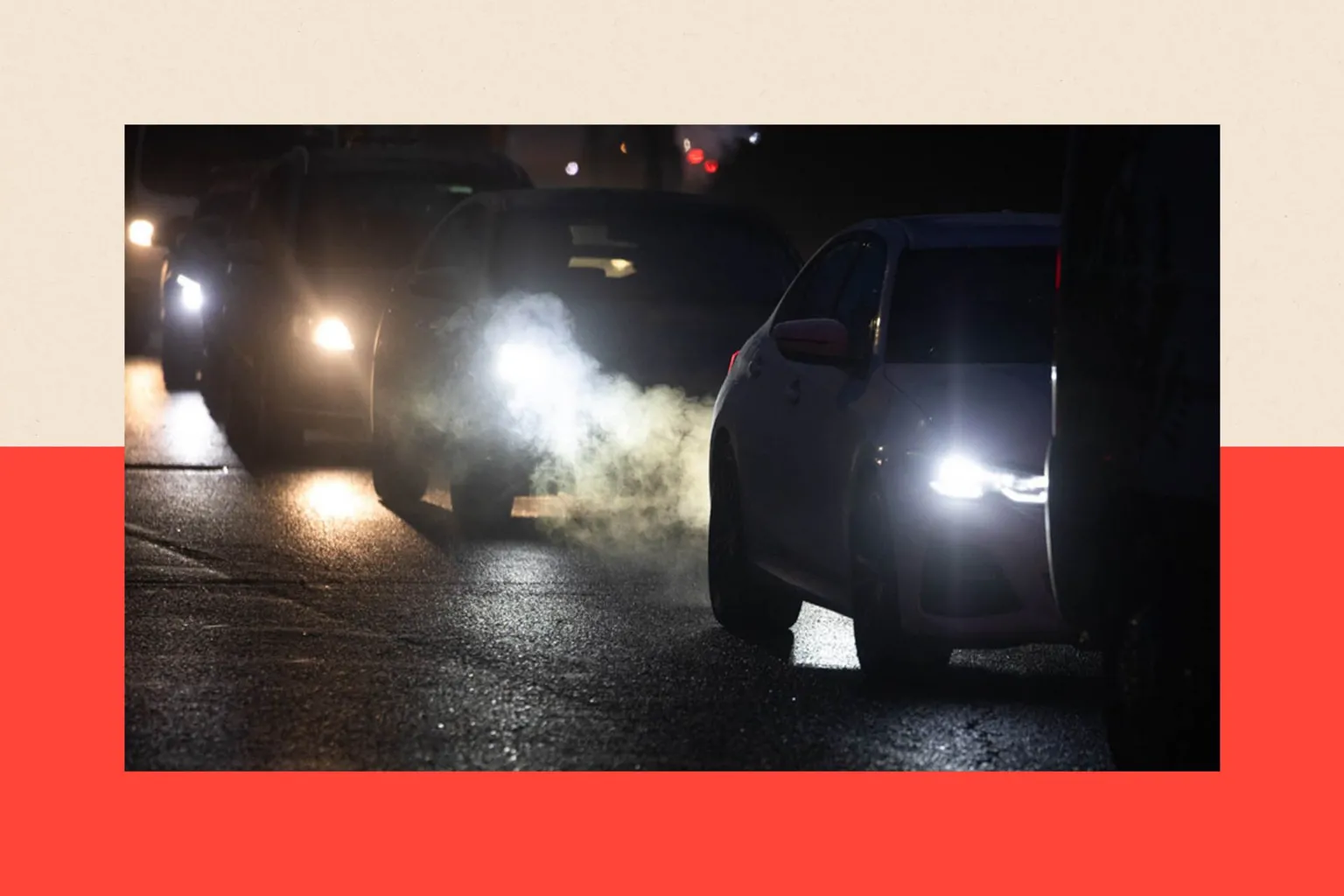
The Impact of Changing Headlights
Several factors contribute to headlight dazzle. One significant factor is the angle of headlights; misaligned headlights increase glare and can cause a vehicle to fail its MOT test.
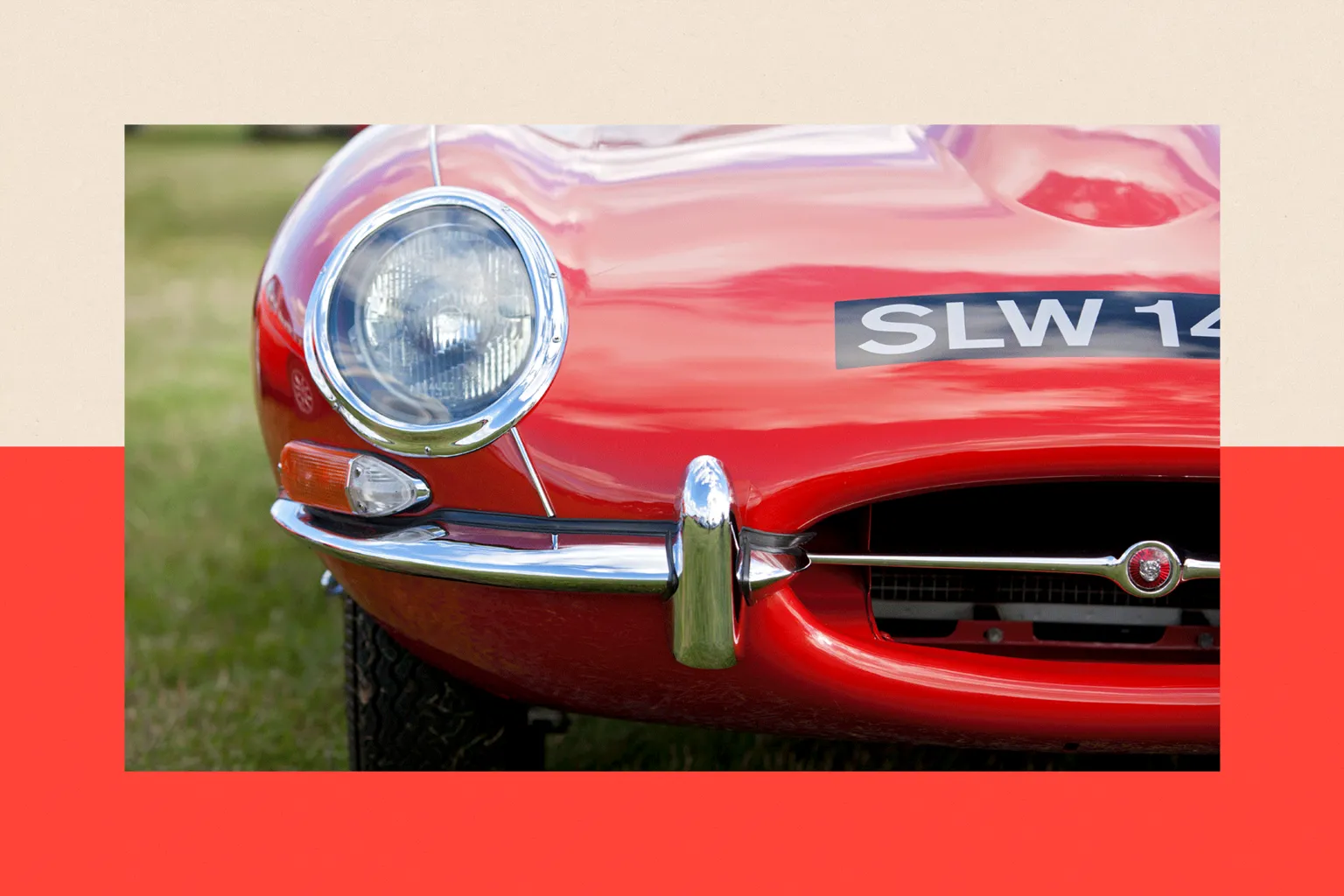
Headlights have become brighter to improve driver visibility. Dale Harrow, professor of Intelligent Mobility and Car Design at the Royal College of Art in London, explains that headlights have evolved significantly from the filament bulbs of decades ago.
"They have become more complex and 'a design object in their own right,'" he says.
He notes that glass casings have been replaced by plastic, and the light source has shifted predominantly to LEDs from halogen bulbs. This change has improved light quality, making headlights brighter and clearer.
"While this 'has to be a good thing' when it comes to helping the driver see clearly," Harrow says, "it has also resulted in 'unplanned drawbacks' - including dazzling other road users."
Another issue is the illegal retrofitting of LED bulbs into units designed for halogen bulbs. The Driver and Vehicle Standards Agency (DVSA) has increased enforcement against such practices, with sellers facing fines up to £1,000.
"Recent advances in headlight technology have improved visibility but all headlights – whether LED or not – must still be aimed correctly and checked at the MOT test," says Mike Hawes, chief executive of the Society of Motor Manufacturers and Traders (SMMT).
How Bright Lights Affect Our Eyes
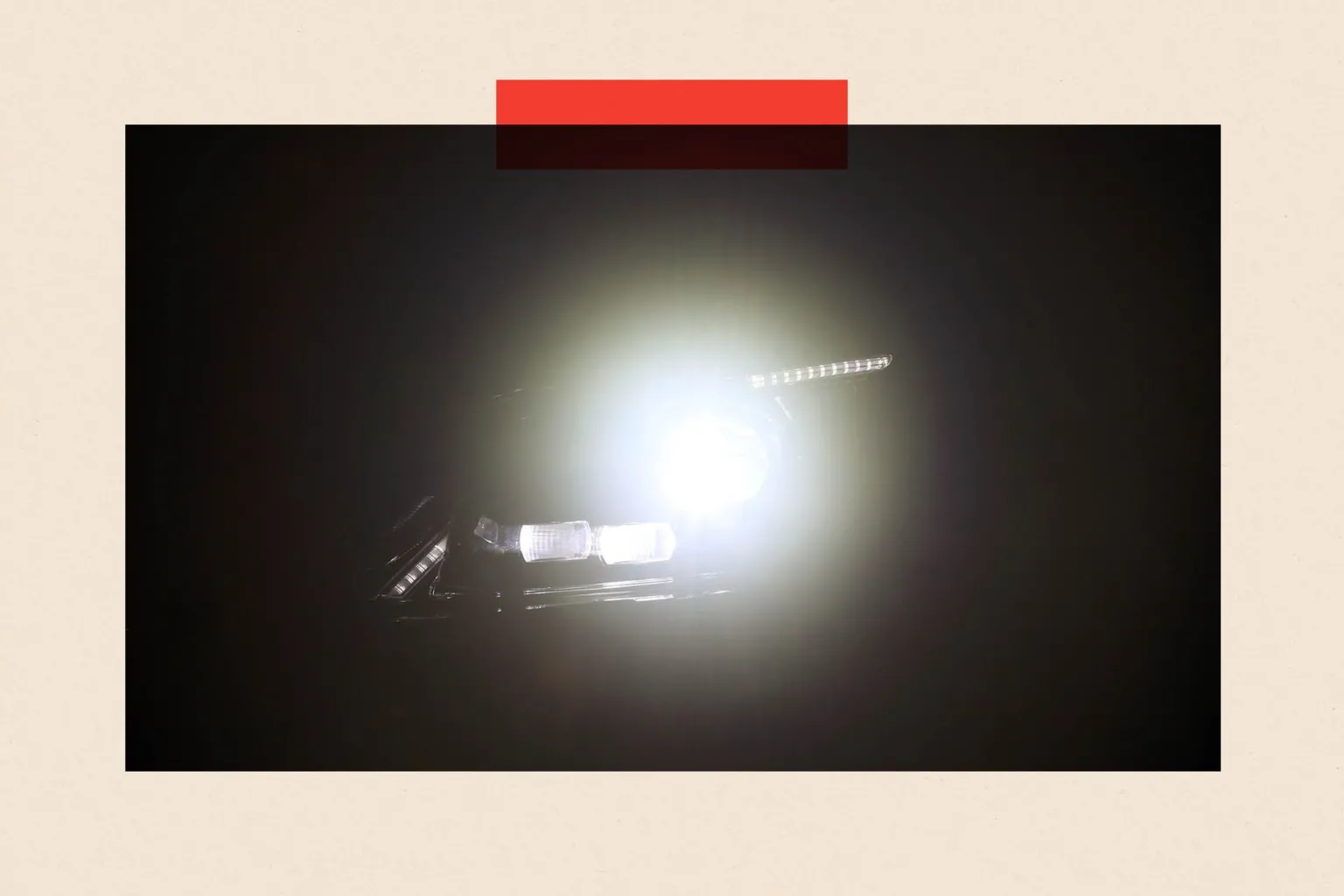
Denise Voon explains that eyes adapt to darkness by becoming more sensitive to light. Sudden exposure to very bright lights can temporarily impair vision and cause discomfort.
Retinal cells responsible for detecting light can become bleached, requiring time to recover. This leads to visual imprints or afterimages after looking away from bright sources.
While headlight glare affects all ages, older individuals are more susceptible due to conditions such as cataracts and glaucoma.
LED lights pose particular challenges because they are two to three times brighter than traditional halogens and emit a bluer, whiter light that resembles natural daylight.
Additionally, LED lights are more directional, concentrating bright, white light in a focused beam compared to the more diffuse halogen lights.
"It's not clear if it is the brightness, colour, temperature or the direction of the lights - or some combination of all of these - that causes most problems," Voon says. "But what we know is that's one of the differences."
What the Data Says - and Doesn't
Despite widespread concerns, there is no clear evidence linking brighter headlights to an increase in accidents.
Department for Transport (DfT) statistics indicate that headlight dazzle was recorded as a contributory factor in 216 collisions in 2023, including four fatal incidents.
Although the number of collisions rose slightly compared to the previous year, it remains below the 330 recorded in 2014 and lower than most years since, except 2020 when pandemic-related restrictions reduced traffic.
Since 2024, "vision affected by dazzling headlights" is no longer separately listed as a contributory factor in DfT statistics, complicating trend analysis.

These statistics also do not account for changes in driver behaviour, such as avoidance of night driving.
A government-commissioned report by the Transport Research Laboratory (TRL), published in 2023, found that drivers perceive glare from vehicle headlamps as an important and widespread issue when driving at night.
"Headlamps were perceived as 'too bright', and 'whiter' headlamps and those on larger vehicles were 'generally perceived to be especially problematic for causing glare'."
The study included experimental measurements using a car equipped with light intensity sensors and an observer who signaled when glare interfered with driving.
Researchers identified a correlation between higher luminance levels and increased likelihood of glare, suggesting a threshold of 40,000 candela per square meter as significant.
Glare was more likely when the test vehicle was travelling uphill or around right-hand bends, as the driver’s eyes were more directly exposed to oncoming headlights.
The study also indicated that larger vehicles such as SUVs and those with LED headlights may be more associated with glare, though further research was recommended.
The government has agreed to conduct additional research, though this is not expected to commence for several months.
An Unidentified Problem
The persistence of headlight glare complaints raises questions about why this issue was not anticipated despite extensive research and development by car manufacturers globally.
"It seems more priority has been put on giving drivers the best possible view of the road at night and less on the consequences for oncoming traffic," says Simon Williams, the RAC's head of policy.
Manufacturers reject this criticism. Mike Hawes of the SMMT states:
"Safety is every car maker's top priority and providing good visibility to drivers in darkened conditions is essential. All headlights must meet international standards so drivers can see as clearly as possible but without dazzling other drivers."
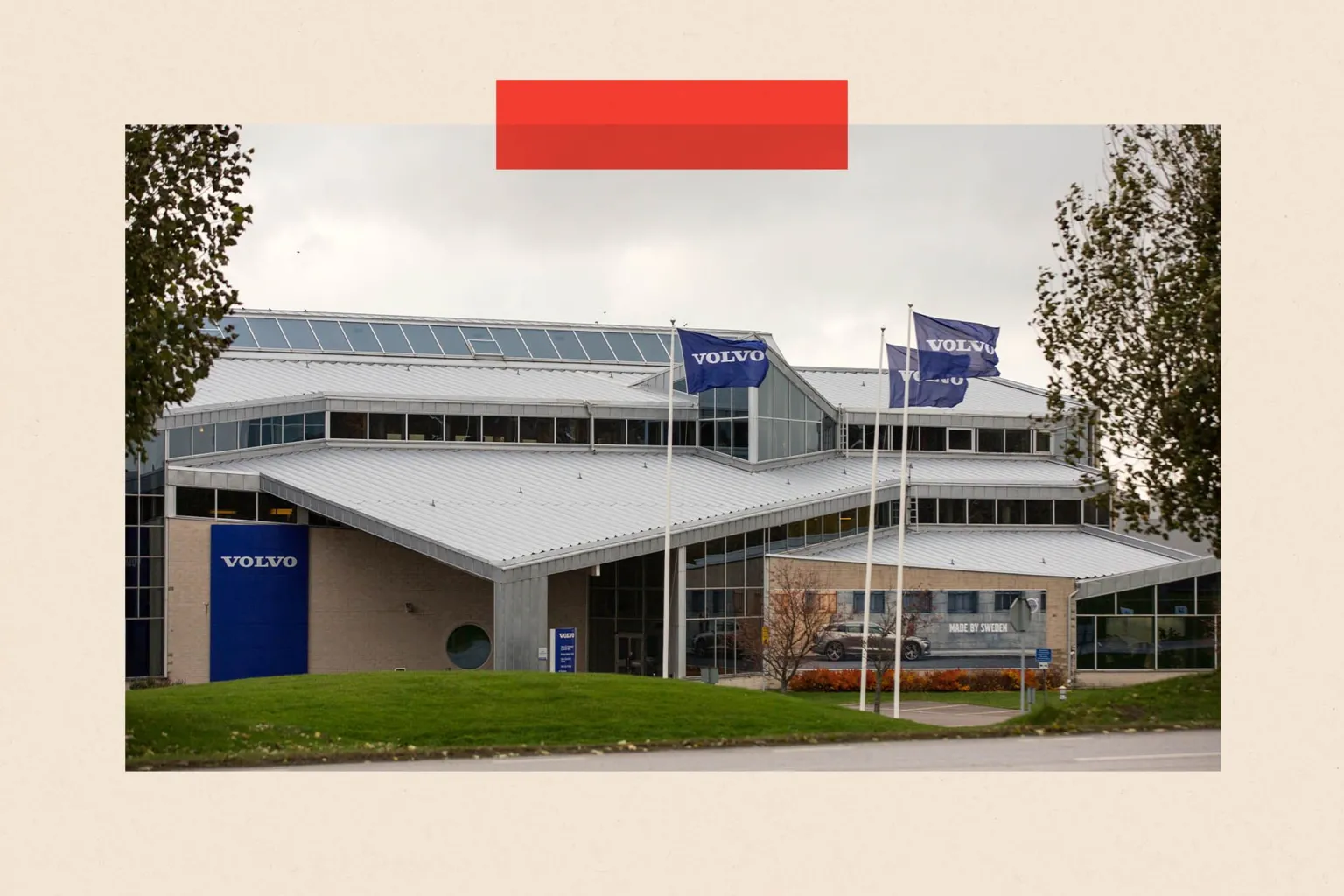
In October, Thomas Broberg, senior advisor for safety at Volvo's Car Safety Centre in Gothenburg, Sweden, explained that vehicles must comply with the standards of all countries where they are sold, as vehicle manufacturing is an international business.
He described regulations covering headlight shape, intensity, and glare, with testing conducted by various authorities worldwide.
"As a global car company, we need to comply with all of them," Broberg said.
Broberg acknowledged concerns about glare but emphasized that avoiding it is integral to the design process. He also refuted the notion that SUVs inherently cause more glare, noting that headlight beam angles are regulated and adjusted for vehicle height.
"The angle of the light is actually regulated," he said. "So if you have a higher vehicle, then you need to have a lower [beam] angle."
He suggested that road geometry and improperly aimed headlights on vehicles lacking automatic levelling systems are more likely contributors to glare.
What Is Already Being Done?
Technological advances such as automatic dimming headlights offer potential solutions, although some drivers report that these systems do not always activate early enough.
Following the TRL report, the government has committed to further investigating design factors contributing to glare, with the aim of proposing regulatory changes at the United Nations.
The United Nations Economic Commission for Europe (UNECE) World Forum for Harmonization of Vehicle Regulations has agreed that new vehicles must have mandatory automatic headlight levelling by September 2027. This technology adjusts headlight aim based on vehicle load.
However, these requirements will not affect the millions of vehicles currently on the road without such features.
The TRL report also notes that many instances of glare will persist despite stronger regulations due to real-world road geometry, including hills and bends, which are beyond the Department for Transport's control.
Drivers can take practical steps to reduce the impact of bright lights, such as keeping windscreens clean both inside and out.
The College of Optometrists advises motorists to wear and maintain clean glasses if prescribed and to keep vision tests up to date, which can also detect eye health issues.
When encountering bright oncoming headlights, it is recommended to briefly look to the side of the road while keeping eyes open and to drive considerately.
For Emily and others affected by glare, this guidance remains the primary recourse. She says: "It's tough but we cope and carry on until something is done about it."

BBC InDepth offers comprehensive analysis and reporting on major issues, with Emma Barnett and John Simpson curating thought-provoking content every Saturday. Readers can to the newsletter for updates.


