

Diagnosis and Initial Concerns
When Alastair Munro noticed a small lump on his penis growing in size, he suspected a serious health issue. After delaying a visit to the doctor for about six weeks, he was informed by his GP that it was likely cancer.
"It was quite a bold thing to say," Alastair, 49, said. "I was shocked. He couldn't say 100% but he thought it was cancer."
A week later, a urologist at Raigmore Hospital confirmed the suspicion, leading to a biopsy. Three months after first noticing the lump, Alastair, a construction engineer from Inverness, was diagnosed with penile cancer—a rare condition affecting 80 to 90 men annually in Scotland and approximately 700 across the UK.
"I was pretty shocked but had been confident it was cancer," he told BBC Scotland News. "I'd never, ever heard of this kind of cancer before. Things moved pretty quickly after that."
A CT scan revealed that the cancer was spreading.
Surgical Treatment and Recovery
Alastair's surgery was documented by a BBC camera crew and will be featured in an episode of Surgeons: At The Edge of Life. The complex operation involved removing the tumour and approximately 30% of his penis during a seven-hour procedure.
The cancer had also spread to lymph nodes in his groin, which were removed. His penis was reconstructed using a skin graft from his thigh.
Six weeks later, Alastair underwent an additional three-and-a-half-hour surgery after the initial results showed residual tumour presence. There was a 50% chance the cancer could spread to his pelvic area.
"They can't actually tell if its cancerous until they get inside you," he explained. "What they actually do is cut away the cancerous nodes and check them straight away. They are basically just digging through you.
"They keep going until they find the end of the cancer. It sounds pretty primitive but that's what they're doing. It's quite amazing really."
Following surgery, Alastair completed a month of radiotherapy and was declared cancer-free in February.
Currently, he experiences complications including lymphedema, which causes swelling of the skin, affecting his ability to urinate and engage in sexual activity. Reconstructive plastic surgery is planned for approximately one year after treatment to address these issues.
He has been advised there is a high risk of cancer recurrence within two years.
Raising Awareness
Alastair found it challenging to inform family members about his diagnosis, especially given the rarity of penile cancer. He also had to disclose that his surgery was being filmed for a BBC documentary series.
"The whole purpose of it is to raise awareness of men's cancer," he said.
"If there's one person out there who's got something wrong with their penis but is too embarrassed to go to the doctor and he watches this programme and says 'I'd better go to the doctor', that's basically the whole purpose of it.
"It's so difficult to spot. There are very few symptoms. It could just be a wee spot on your penis.
"If anyone finds a lump or is having problems with erection or blood, just get checked out."
Alastair's lump was located on the head of his penis. It was painless but grew over time, and he noticed bleeding at one point.
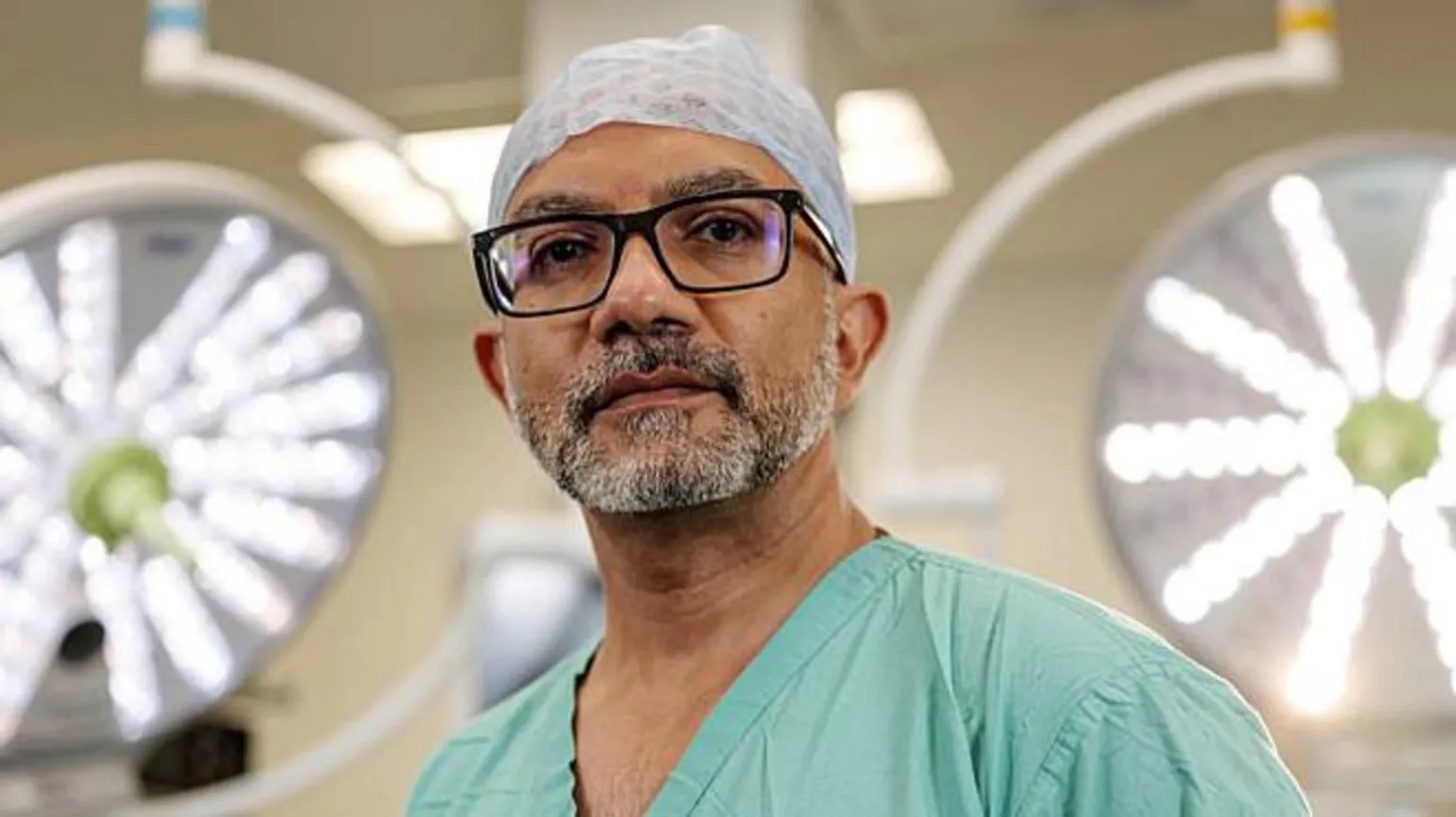
The surgery was performed by Consultant Urological Surgeon CJ Shukla at Edinburgh's Western General Hospital, one of only two centres in Scotland equipped to treat very rare male cancers.

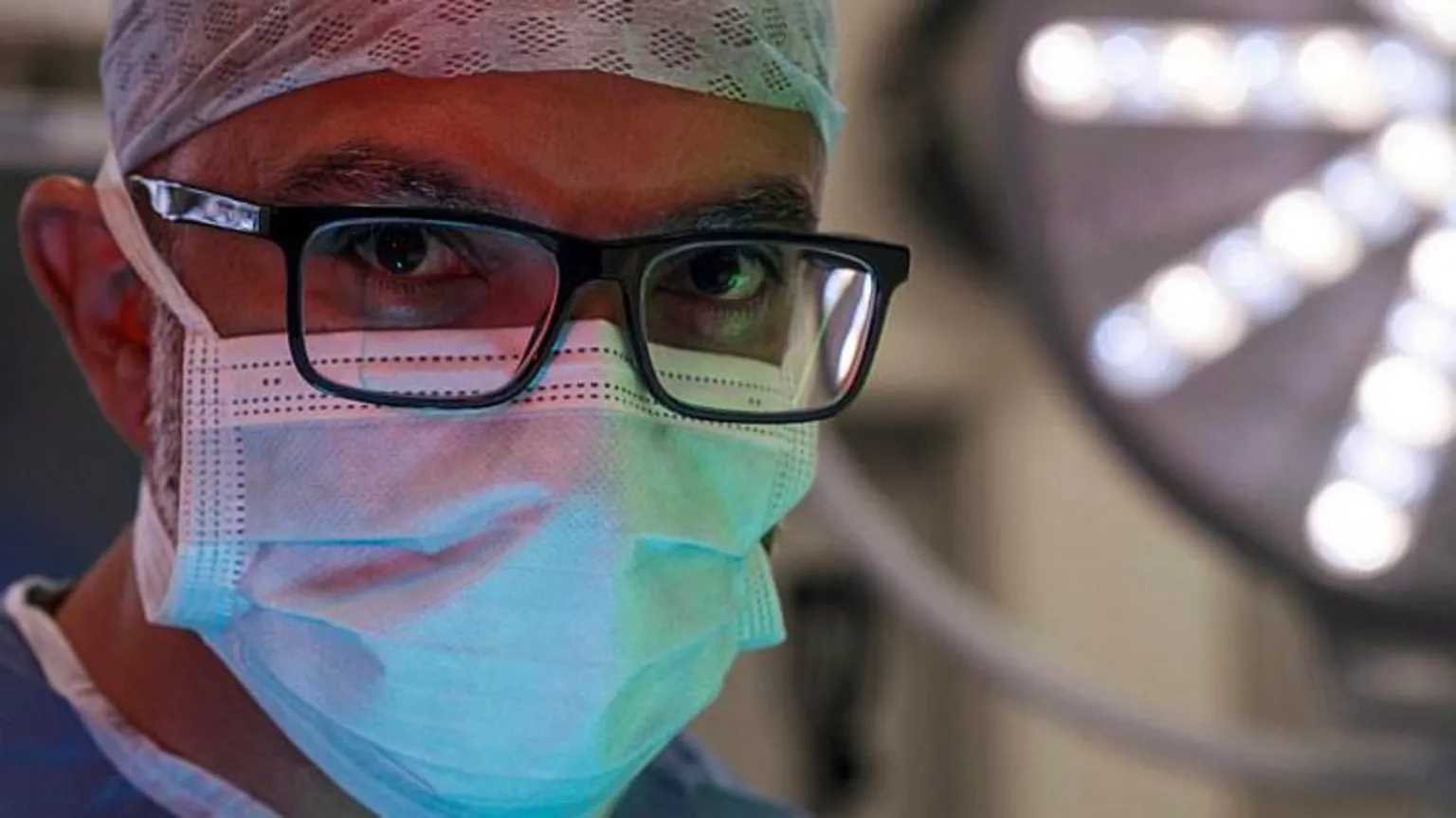
Alastair previewed the programme and described the footage as graphic.
"I must admit, I thought it was pretty gruesome to be perfectly honest," he said. "You see in the programme that I have a major bleed. When I watched it I said 'well nobody told me about that'.
"But my surgeon just said it was nothing, that it happens all the time."
Despite the graphic content, Alastair, who has returned to work for five and a half months, plans to watch the programme when it airs.
"I want to thank the surgeons and all the staff at the Western General in Edinburgh and the district nurses," he said.
"The treatment I got was unbelievable. I can't fault it at all. I can't thank the NHS enough.
"Dr Shukla basically saved my life."
Expert Insights
Consultant CJ Shukla, who has been practicing for 14 years, noted that Scotland has the highest incidence of penile cancer in the UK.
"The projection is that by 2030 to 2040 it's just going to go higher and higher so we need to be prepared to look after these patients well," he said.
He observed that many patients delay seeking medical advice for two to three months.
"It's typical for us to see patients who have sat on this for two or three months before they see doctors."
Shukla highlighted that many men are unaware of penile cancer and that embarrassment often prevents men from seeking help, even for more common cancers like prostate cancer.
He explained that general practitioners may misdiagnose penile cancer as yeast infection (thrush), delaying referral to specialist care.
Patients are often initially treated at local hospitals before being referred to specialist centres.
"It's important for men to act quickly," Shukla emphasized.
Regarding Scotland's higher rates, he cited risk factors such as smoking, obesity, hygiene, and human papillomavirus (HPV), many of which may be linked to social deprivation.
However, he stressed that penile cancer can affect men of any age or social background.
Shukla advocates for increased nurse practitioners and psychological support services for patients.
This is Shukla's first appearance in the TV series.
"For me, the driving force was to try and see if there would be patients willing to share their story and Alistair is pretty brave to put his story out there because it's deeply personal," he said.
"It's about sharing his story so other men can benefit from this."
Broadcast Information
Surgeons: At The Edge of Life will be broadcast on BBC Two at 21:00 on Wednesday, on BBC Scotland at 21:00 on Monday 11 May, and will be available on BBC from 06:00 on Thursday 6 May.


