

Nipah Virus Death Confirmed in Bangladesh
The World Health Organization (WHO) announced on Friday that a woman in northern Bangladesh died in January after contracting the Nipah virus, a deadly infection that is reported nearly every year in the country.
This case follows the identification of two Nipah virus infections in neighbouring India, which has led to increased airport screenings across Asia.
Details of the Patient and Symptoms
The patient, aged between 40 and 50, developed symptoms consistent with Nipah virus infection on 21 January. These symptoms included fever and headache, followed by hypersalivation, disorientation, and convulsions, according to the WHO.
She passed away a week later, and confirmation of the virus infection was made the following day.
The woman had no history of travel but had consumed raw date palm sap, a known risk factor for Nipah virus transmission.
Monitoring and Containment Efforts
The WHO reported that all 35 individuals who had contact with the patient are being monitored and have tested negative for the virus. To date, no additional cases have been detected.

Transmission and Regional Response
Nipah virus primarily spreads through products contaminated by infected bats, such as fruit.
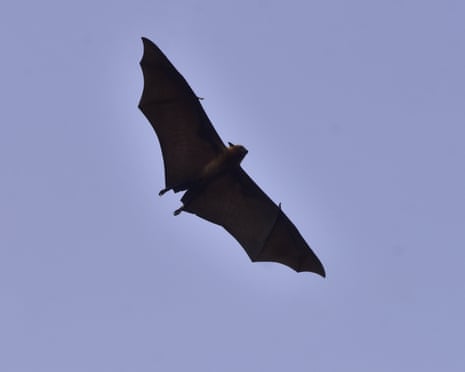
The infection can be fatal in up to 75% of cases, but it does not spread easily between people.
Following the cases identified in West Bengal, India, countries including Malaysia, Thailand, Indonesia, and Pakistan have implemented temperature screenings at airports.
WHO Assessment and Recommendations
The WHO has assessed the risk of international spread of the disease as low and has not recommended any travel or trade restrictions based on the current information.
Historical Context and Medical Status
In 2025, Bangladesh reported four laboratory-confirmed fatal cases of Nipah virus.
Currently, there are no licensed medicines or vaccines specifically targeting this infection.


