Supporting the Final Moments
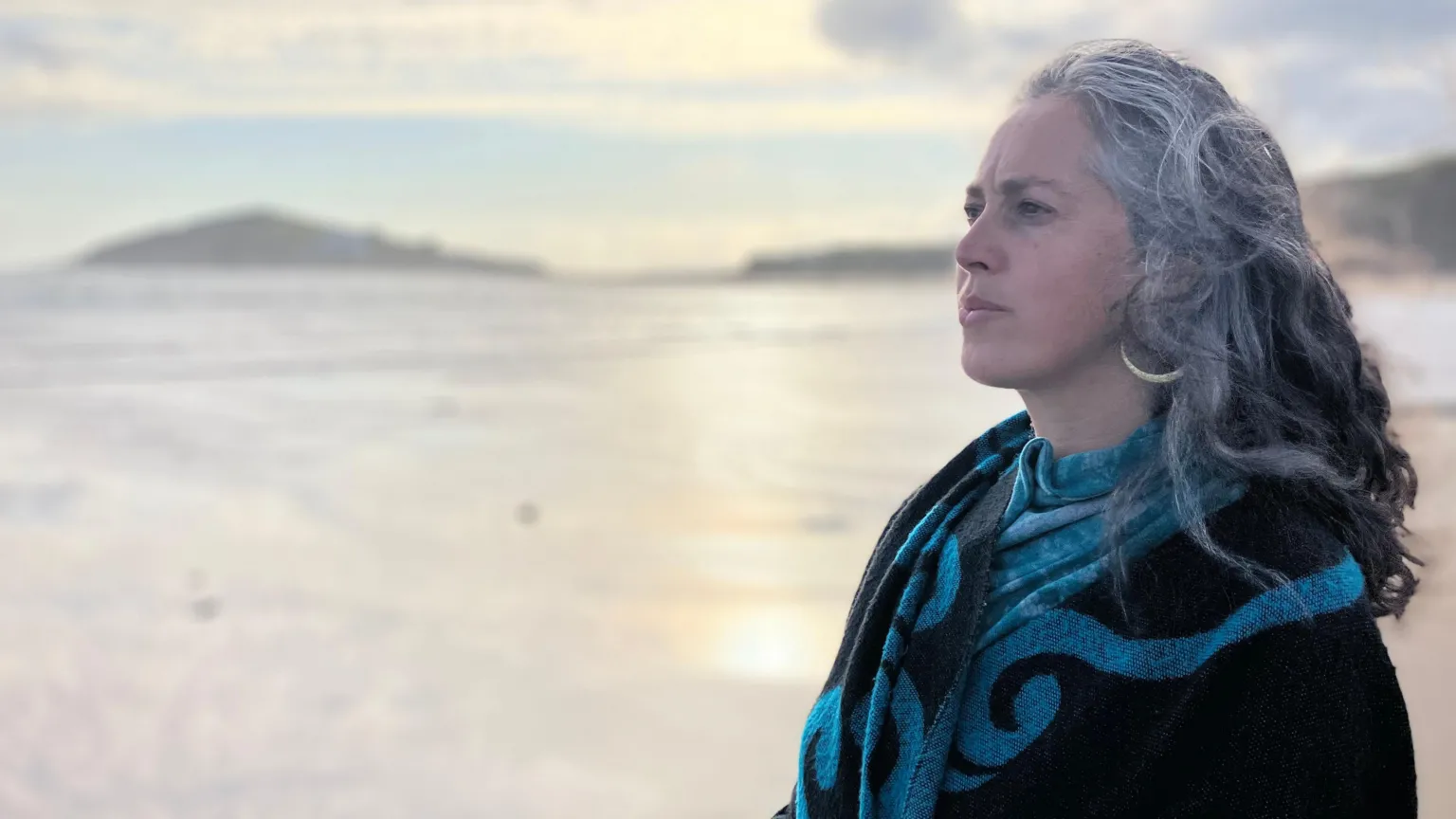
For Rita Ball, there is profound meaning in holding a person's hand during their final moments.
"It is absolutely raw," Ball says, "to witness this life that is leaving the world."
She has been present at the last breath of multiple individuals.
For three years, Ball has worked as a trained "death doula" in London. In her role as a non-medical end-of-life companion, she supports individual families and volunteers in care homes for the NHS.
Ball notes that people frequently ask what they are "allowed to do" when their loved ones are dying.
"I hear a real sense of relief when I say it's OK to hold them, kiss them, play music, talk to them."
The Rise of Death Doulas
While many are familiar with doulas who assist mothers during pregnancy, childbirth, and early parenthood, death doulas—sometimes called soul midwives—have gained popularity over the past decade.
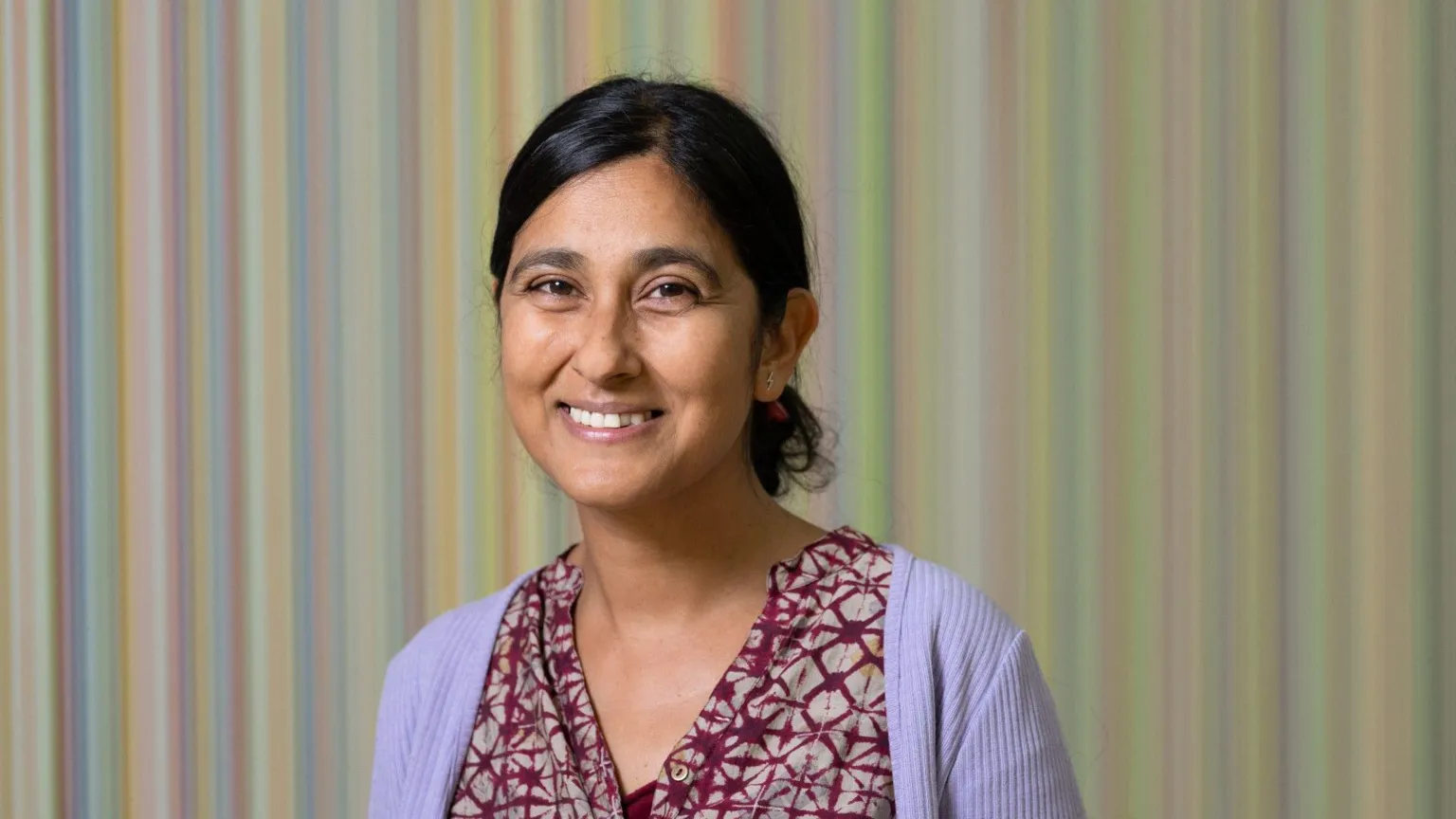
Emma Clare, chief executive of End of Life Doula UK, reports that 114 doulas joined her organisation in 2025, marking a significant increase from previous years.
Recently, celebrities such as Nicole Kidman and Ruby Wax have announced their training to become end-of-life doulas, with Davina McCall also expressing plans to train upon retirement.
Ball remarks on the often overwhelming silence following a death, explaining that doulas can support the bereaved by recounting the final days.
Depending on training level, doulas may charge between £25-£45 per hour, according to Clare, though some offer services free of charge.
Personal Experiences with Death Doulas
Fanny Behrens, residing in Devon, first contacted death doula Sarah Parker ten months before her husband died of cancer.
"Sarah was just amazing with me while I just sobbed and sobbed in her kitchen," Behrens recalls.
"It was incredible to be able to talk to someone who wasn't family, who wasn't involved, and who could just be there, while I let myself fall apart with the grief of it."
The doula encouraged Behrens to discuss difficult questions with her dying husband, including his burial preferences and funeral arrangements.
She also assisted with the administrative tasks following death, such as contacting undertakers and registering the death.
"She was good at reminding me to look after myself too and not just get lost in the other person's needs."
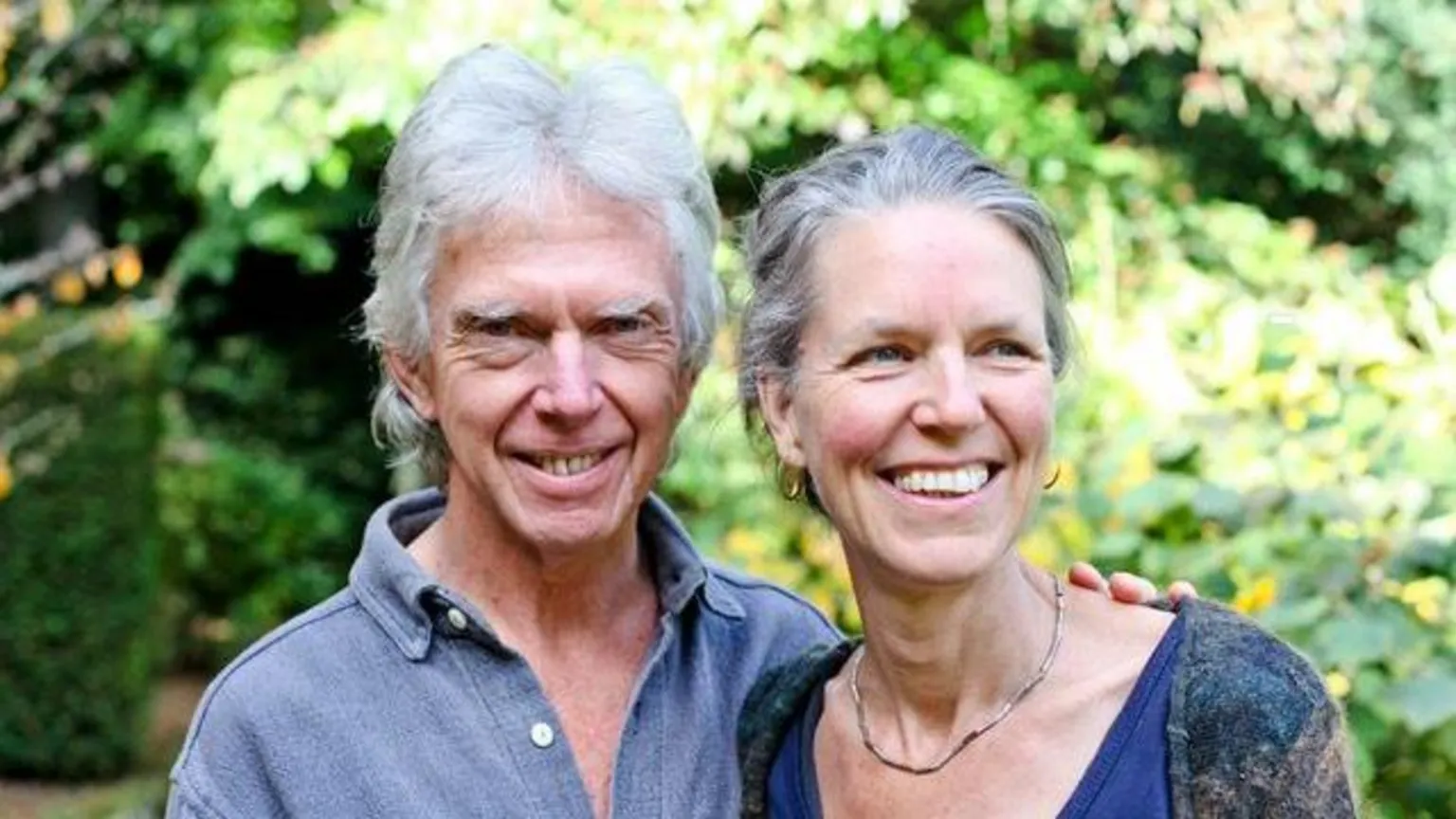
While primarily supporting Behrens, Parker also provided care for her husband. Parker carefully explained the physiological process of the body shutting down during the final days.
"There's something about being with someone who's very familiar with the process, who is matter-of-fact and at home with it and compassionate - that really helps," Behrens says.
"Even though it doesn't take the pain of it away, it kind of normalises it."

Changing Perspectives on Death
Emma Clare and other doulas believe that contemporary society has lost much of its knowledge about natural death.
She explains that most people's understanding of death is shaped by dramatic film scenes or sudden deaths.
By providing detailed explanations of the dying process, doulas help alleviate fear and enable families to spend time more meaningfully.
For example, Parker describes changes in body temperature and breathing during dying.
"At the end there can be a death rattle - a sound of hard breathing that can be frightening for people in the room," she says.
"If you've already told them to expect it, it can feel easier."
Compassionate Care and Creating Comfort
Soul midwife Krista Hughes, who also works at the Mulberry Centre cancer charity, emphasizes the importance of forming a strong bond with the dying individual to honor their final wishes.
"When someone is born they are born into loving hands," Hughes says, "and we hope they are able to die into loving hands."
Hughes recalls a case where a person wished to die in a garden but was unable due to medical needs. She recreated an imaginary garden by bringing in pictures, lavender oil, bird sounds, and describing a walk through lavender fields.
Support Beyond Death
End-of-life doulas often provide assistance after death as well. Ball has visited funeral homes on behalf of families to convey messages and has helped organize memorial services.
Others engage with the community by raising awareness, including hosting death cafes to encourage open conversations over tea and cake.
The Future of End-of-Life Care
Marian Krawczyk, a researcher in end-of-life care at the University of Glasgow and founder of the End-of-Life Doula International Research group, states that end-of-life care must evolve due to changes in how people die.
"There are also now expectations of lifestyle choices in every aspect of our life," she says, "including the ability to craft our own dying."
While death doulas may assist with this, the role is complex and currently lacks regulation or mandatory training in the UK.
Opinions vary on whether death doulas should be integrated into the health system or remain independent.
Concerns have been raised about costs and the potential for exploitation of vulnerable individuals.
"The reality is that, appropriate end-of-life care is a postcode lottery," Krawczyk explains, "and doulas can help to fill those gaps in care."
Dr Paul Perkins, chief medical director at the palliative care and bereavement charity Sue Ryder, highlights the challenges patients face navigating healthcare during emotional times.
"He believes those who are dying should be helped to 'have the best quality of life possible', adding, 'so they can spend time with the people who bring them joy.'"