

1. Get the most out of your revision
Exams season is here, marking the culmination of months spent learning, revising, and memorising. However, this period need not be overwhelming or stressful.
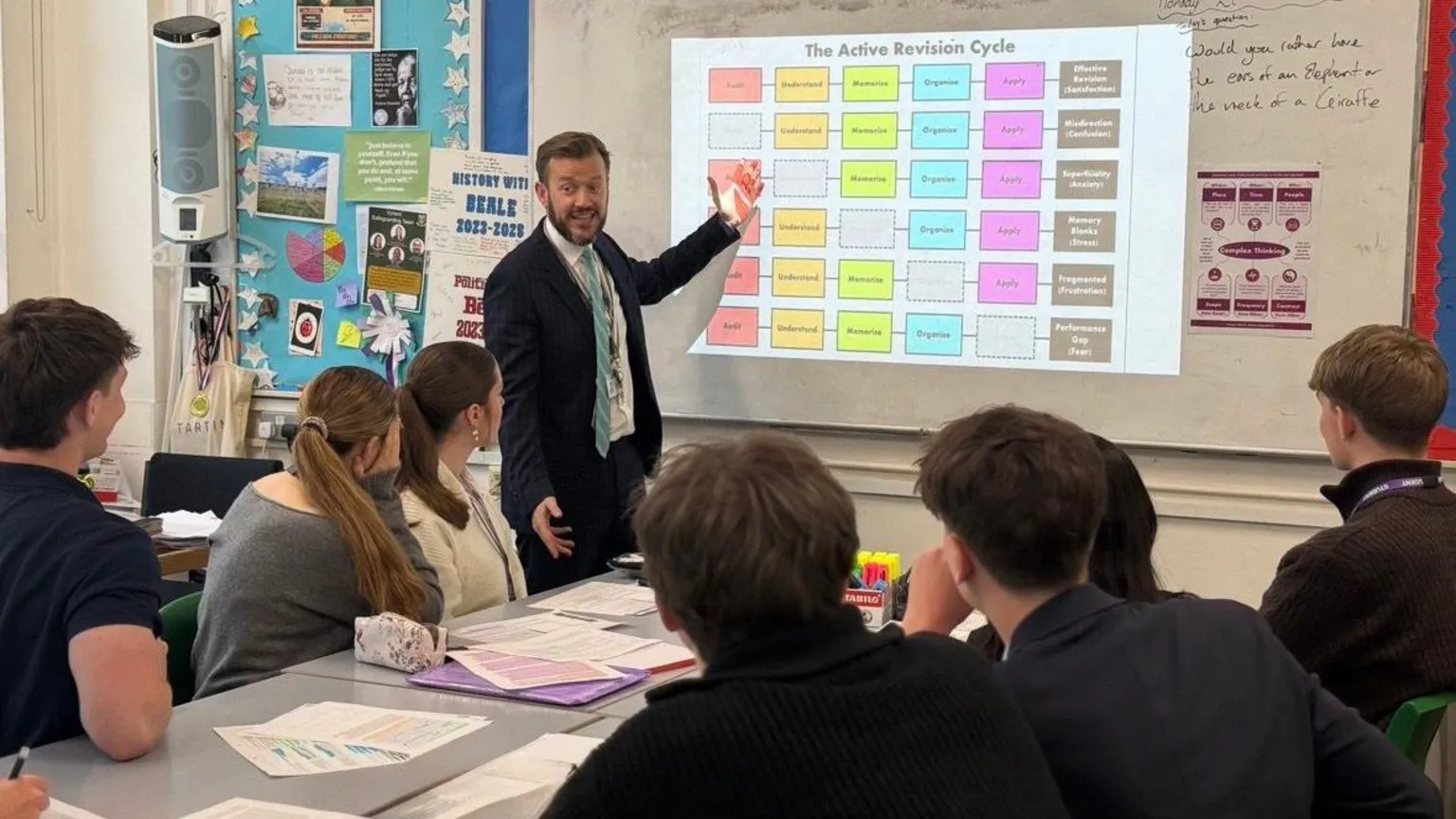
Simon Beale, a secondary school history and politics teacher, advises students to deepen their understanding of topics and memorise key terms to prepare for exam questions that may be phrased differently on the day.
"If you cannot explain the causes of the Tudors' rise, or simplify the concept of photosynthesis, you don't understand it yet,"Beale explains, emphasizing the importance of comprehension over rote reading.
By focusing on true understanding, students can ensure that every minute of study is targeted effectively, reducing the chance of memory blanks during exams.

2. Should I use AI to help me?
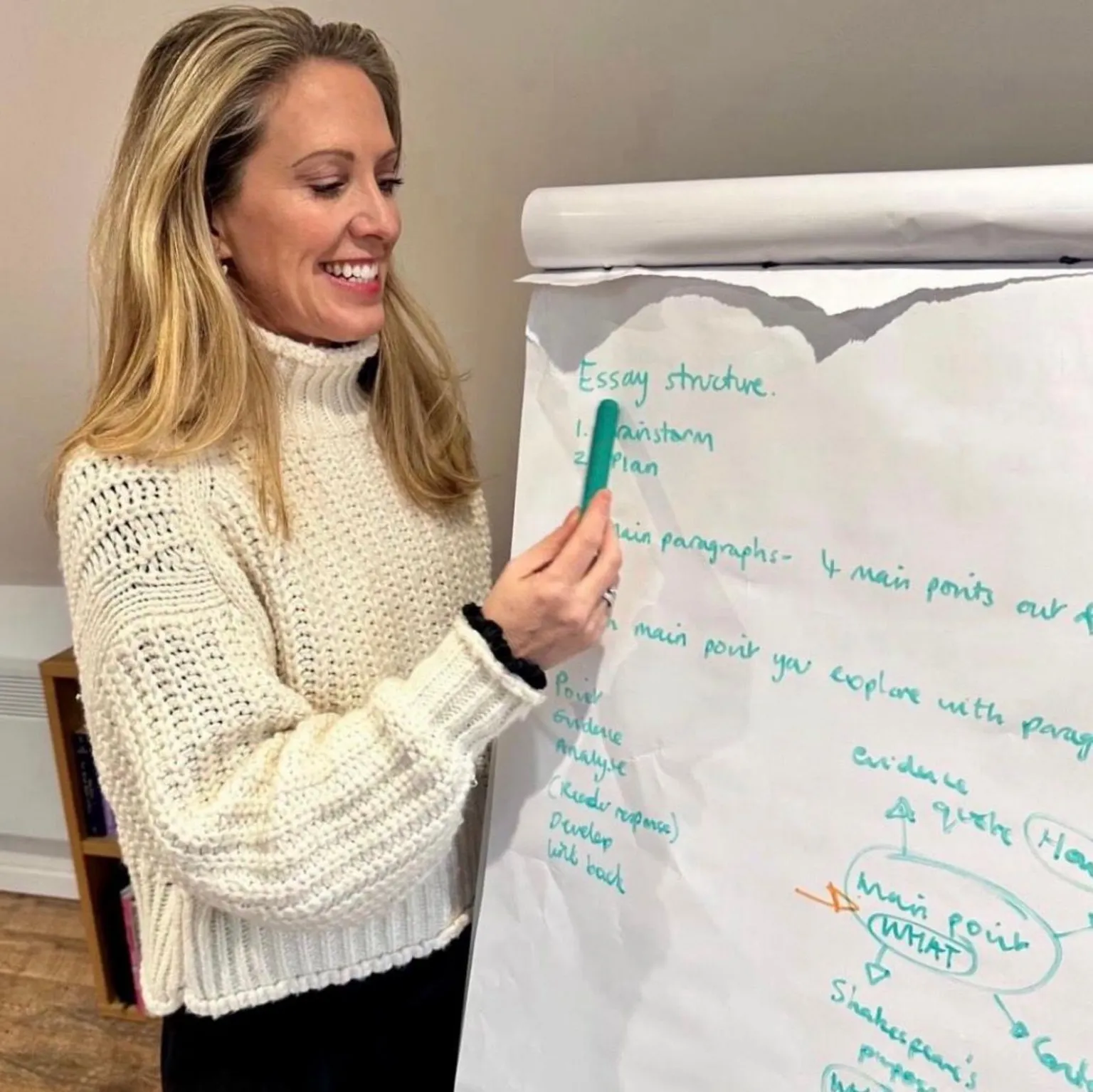
Ruth Havenga, a GCSE English tutor, acknowledges that artificial intelligence tools can support students in their revision if used appropriately. However, she cautions that improper use may cause distractions and hinder learning.
To maximise the benefits of AI in revision, students should use it as a supplementary resource rather than a primary source of answers.
3. Have your exam timetable in plain sight
Havenga highlights the importance of organisation to alleviate exam stress. She recommends having the exam timetable clearly visible to avoid preparing for exams out of sequence.
"It's no good preparing for what's coming in the fourth exam and not what's coming in the first one,"she advises.

4. Take care of yourself
Andrew Bruff, a GCSE English tutor, along with Emily Merrison, a GCSE and A-level tutor, stress that the morning of the exam should focus on basic self-care rather than last-minute cramming.
They recommend strategies to maintain focus on personal wellbeing alongside exam preparation, such as getting adequate rest, eating properly, and managing stress.
5. What should you do after the exam?
Once the exam concludes, Bruff encourages students to relax and avoid dwelling on the test.
"Once the exam is over there is nothing you can change about it,"he says, warning that replaying the exam in one's mind can be draining.
Merrison advises against comparing answers with peers, noting that differences in responses do not necessarily indicate errors.
Both tutors emphasize that while exams are significant, maintaining wellbeing is paramount.
"No grade is worth your wellbeing,"Bruff stresses.
Havenga and Merrison also remind students that retaking exams is an option if needed.
"There are so many other ways into careers - even if it doesn't go how you thought it would,"Merrison adds, encouraging students to keep perspective on their future paths.


