

Health Warning Issued Over Cape Verde Travel
The UK Health Security Agency (UKHSA) has issued a warning regarding travel to Cape Verde following reports of dozens of British tourists falling ill with stomach infections while visiting the country.
Since 1 October, the UKHSA has identified 118 cases of shigella and 43 cases of salmonella linked to trips to the West African archipelago.
While the majority of affected individuals recover within a week, four British nationals have died within months of contracting these stomach infections during their holidays in Cape Verde.
This advisory comes ahead of the February half term, a period when a significant number of British holidaymakers are expected to visit this popular winter destination.
About the Infections
Shigella and salmonella are bacterial infections that primarily affect the gastrointestinal tract, causing symptoms such as diarrhoea, fever, and stomach cramps.
Although most people recover fully, vulnerable groups including young children, elderly individuals, pregnant women, and those with pre-existing health conditions or weakened immune systems may experience severe symptoms and potentially life-threatening complications.
These bacteria are transmitted through contact with contaminated faeces, either directly via person-to-person contact or indirectly through consumption of contaminated food, water, or contact with unclean surfaces.
Advice for Travellers
Travellers to Cape Verde are advised to take precautions to reduce the risk of infection.
"Taking a few simple precautions against traveller's diarrhoea and food poisoning can make all the difference," Dr Gauri Godbole, the UKHSA's deputy director for gastrointestinal infections and food safety, said.
"The best way to avoid gastrointestinal infections, including shigella and salmonella, or passing them to others, is simply by washing your hands regularly and thoroughly with soap and water or alcohol gel – particularly after using the toilet, changing nappies, and before eating or preparing food."
Geographical Focus of Cases
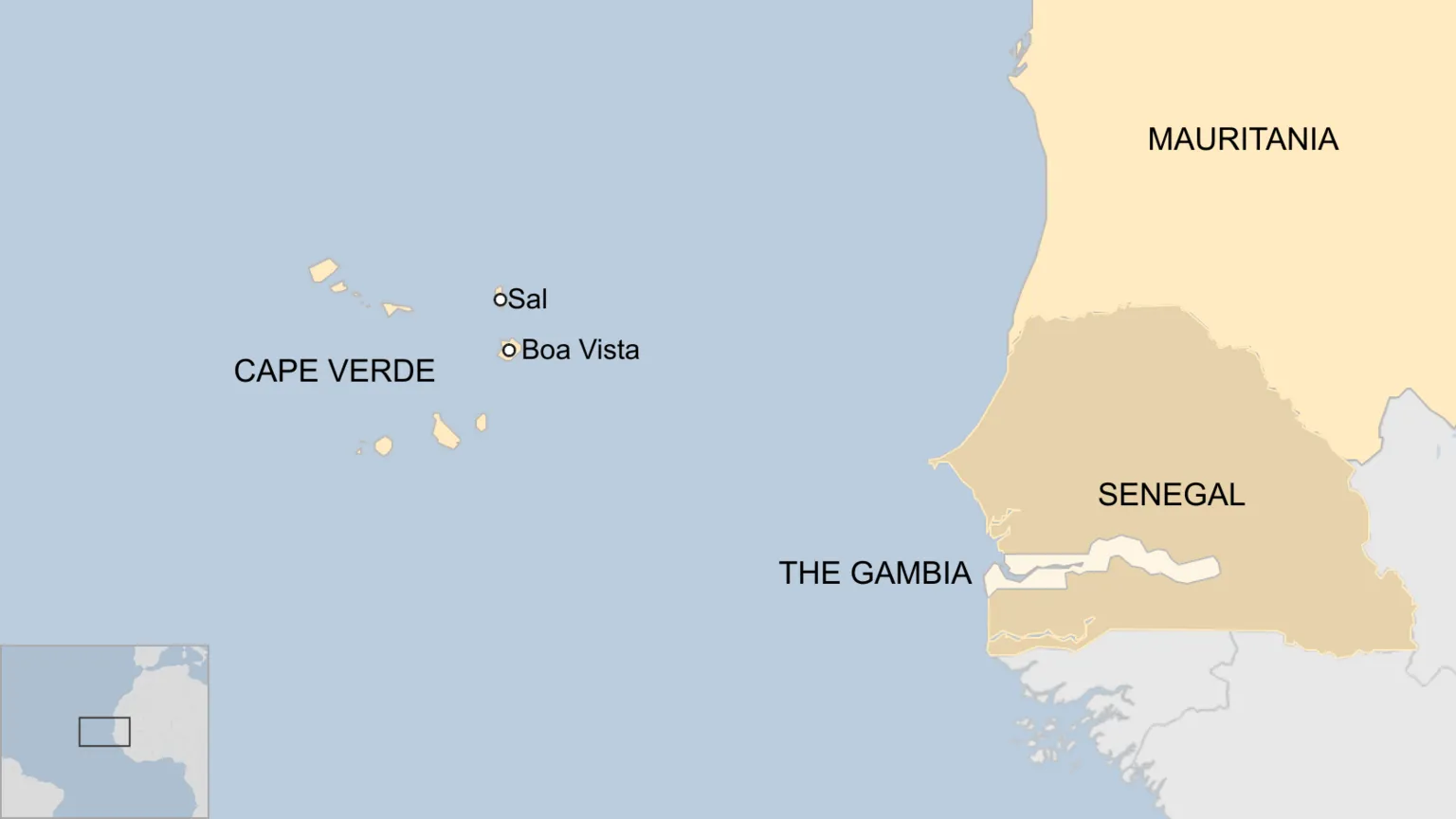
The UKHSA reported that the majority of shigella cases were among travellers who had visited the Santa Maria and Boa Vista areas of Cape Verde.

Santa Maria is a resort town located on Sal Island, while Boa Vista is the easternmost island of the archipelago. Cape Verde typically experiences temperatures around 25°C in February.
Expert Insights
Dr Damien Tully, an associate professor at the London School of Hygiene and Tropical Medicine, previously informed the BBC that outbreaks of shigella are "not unusual, particularly in busy hospitality settings where large numbers of people are eating and sharing facilities."
He added that buffet-style catering can increase the risk of infection, serving as a "breeding ground" for bacteria and viruses.
Fatalities and Legal Actions
Four British nationals who died last year after contracting stomach bugs in Cape Verde include Mark Ashley, 55, from Bedfordshire; Elena Walsh, 64, from Birmingham; Karen Pooley, 64, from Gloucestershire; and a 56-year-old man from Watford.
These individuals are among six Britons who have died after holidaying in Cape Verde since January 2023. Families of the deceased are pursuing personal injury claims against the package holiday company Tui.
Emma Ashley, wife of Mark Ashley, reported raising concerns about the hygiene standards at the resort where they stayed on Sal Island.
Similarly, Sean Walsh, son of Elena Walsh, expressed worries regarding the hygiene conditions at their hotel.
Tui has stated that it is investigating the claims but declined to provide further comment due to ongoing legal proceedings.
Impact of Hurricane Erin
Cape Verde was affected by Hurricane Erin in August of the previous year, which caused damage to water and sanitation infrastructure.
Following the hurricane, the World Health Organization assessed that there was an increased risk of disease transmission due to contaminated water and insect vectors.


