

From immersing your face in ice water to using frozen tools on your cheeks, social media is filled with quick remedies claiming to depuff your face within minutes.
Although these methods appear effective on screen, dermatologists caution that many are misunderstood, exaggerated, and at best, provide only temporary results.
Consultant dermatologist Dr Aiza Jamil explains that facial puffiness is typically caused by fluid retention, with common triggers including high salt and alcohol consumption, allergies, and insufficient sleep.
Consultant dermatologist Dr Tina Tian notes that most viral hacks fall into three categories: cold exposure, massage, and temporary tightening effects.
They can "genuinely reduce visible swelling and provide relief but the key word is temporary - they won't permanently change facial structure".
So what truly helps with facial puffiness, and what is more myth than miracle? Here is the truth about three common treatments.
1. Cold therapy
If you have ever hesitated over plunging your face into a bowl of ice water, you are not alone. The "ice facial" has become a social media ritual, part beauty hack, part endurance test.
Dr Tian explains the appeal lies in the fact that
"cold exposure causes blood vessels to constrict, which can reduce swelling".
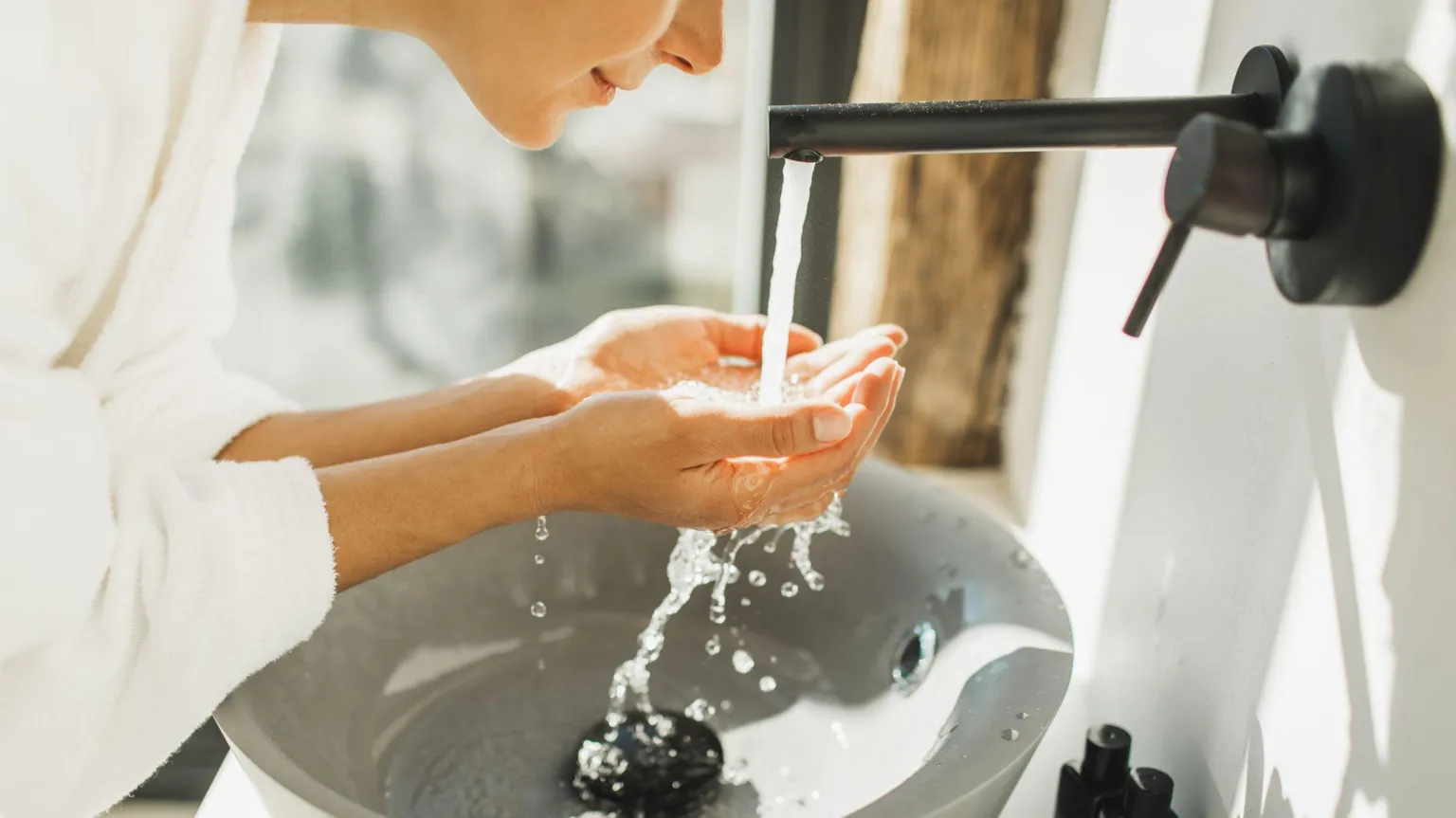
This explains the popularity of ice facials, cryo globes, and refrigerated sheet masks. However, Dr Tian emphasizes that a dramatic ice plunge is unnecessary; a chilled compress or even a splash of cold water can achieve similar benefits.
Dr Jamil adds that cold therapy can provide a
"slightly tighter, fresher appearance, particularly in the morning"but the effects are temporary, lasting hours rather than days.
Dr Tian warns there is a fine balance between refreshing and overdoing it, stating
"very aggressive ice exposure can irritate sensitive skin or trigger rosacea, so keep it gentle".
2. Facial rollers
Once exclusive to spas, facial rollers and gua sha stones have become common in many households.
Marketed as sculpting tools, they are reputed to lift and contour the face, but Dr Jamil clarifies that they
"do not permanently tighten skin, change skin structure, or remove fat".
She suggests viewing them primarily as
"soothing tools".

However, these tools can temporarily reduce facial puffiness.
Dr Tian explains that
"a gentle massage encourages lymphatic drainage and reduces fluid pooling if used regularly".
By rolling or gliding these devices over the skin, stagnant fluid is encouraged to move away from the face toward lymph nodes, where it drains naturally.
Dr Tian adds that cooling the tools can enhance results, which is why some people store them in the refrigerator.
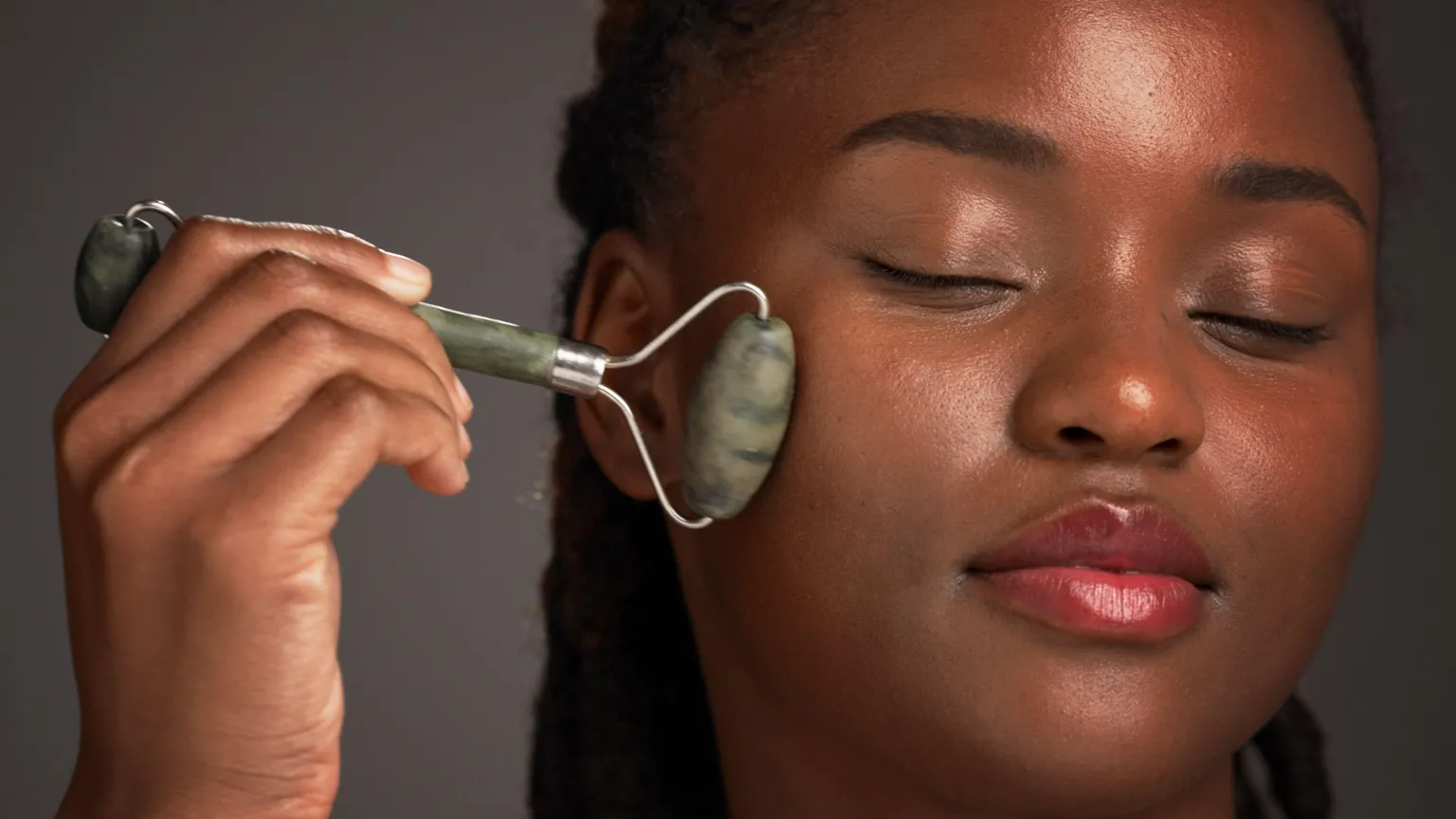
When used correctly, these tools are unlikely to cause harm, but Dr Tian cautions that
"too much pressure can cause bruising or broken capillaries, so be gentle".
3. Caffeine creams
Caffeine eye creams are widely popular, recommended by influencers, prominently displayed in skincare aisles, and featured in "morning routine" videos promising instantly brighter eyes.
The skin around the eyes is particularly susceptible to swelling due to fluid accumulation.
Unlike many beauty trends, Dr Tian notes that caffeine creams have some scientific support.
"Caffeine is a mild vasoconstrictor [narrows blood vessels], so caffeine-containing eye creams can genuinely reduce puffiness,"she says.
Caffeine temporarily constricts blood vessels, reducing dilation and visible swelling. Dr Jamil adds that caffeine can help
"reduce fluid retention and some under-eye darkness".
For those using eye creams, Dr Tian recommends selecting products that combine caffeine with hydrating ingredients to support skin quality.
She also suggests keeping the cream refrigerated or applying it with the back of a cold spoon.
Dr Jamil notes that DIY remedies such as using a cold spoon or chilled tea bags
"work similarly by temporarily reducing swelling and soothing skin".
Dr Tian concurs, stating these methods follow the same principle but may
"provide a lesser effect".
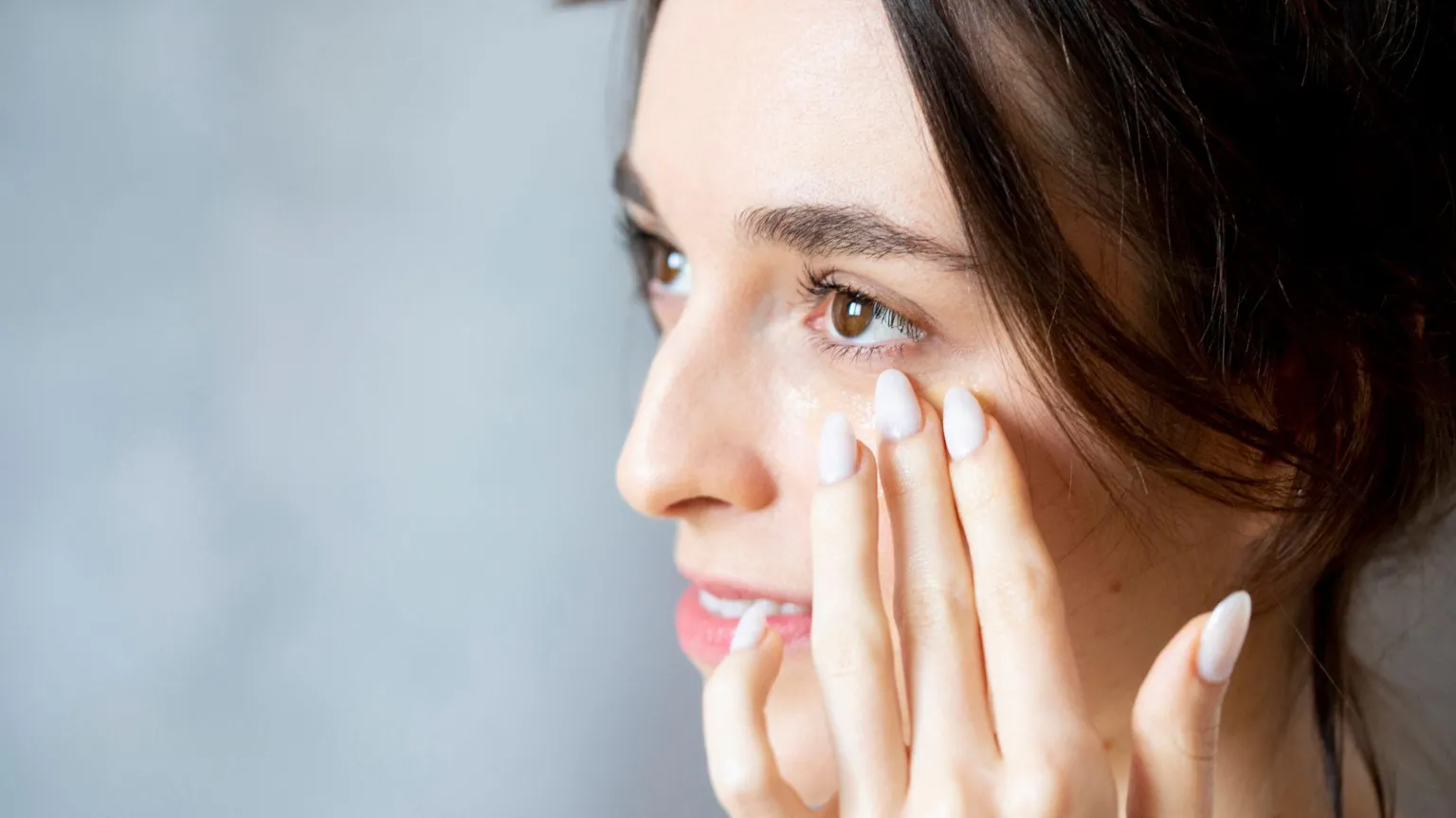
While caffeine eye cream can aid in reducing puffiness, Dr Tian emphasizes addressing the underlying causes.
"Reduce evening salt and alcohol, treat allergies properly, prioritise sleep and slightly elevate your head at night.
Most puffiness isn't a medical issue and will settle on its own but Tina says that "if it's persistent, worsening, painful or associated with other symptoms such as breathlessness or swelling elsewhere in the body, it should be assessed medically".


