Investigation into Skye House Highlights Persistent Issues
A report examining Scotland's largest children's psychiatric hospital, Skye House in Glasgow, has identified "significant concerns" regarding patient treatment months after a documentary revealed a culture of cruelty among nursing staff.
BBC Disclosure's programme, Kids on The Psychiatric Ward, which aired in February 2023, interviewed 28 former patients of Skye House. These individuals recounted instances where some nurses referred to them as "pathetic" and "disgusting," and mocked their suicide attempts.
Six months following the documentary, an unannounced inspection uncovered similar problems. Vulnerable patients under 18 reported feeling "belittled" and "bullied," while families expressed concerns that some staff members lacked "empathy" and "compassion."
NHS Greater Glasgow and Clyde (NHSGGC) acknowledged that while significant improvements had been made since the inspection—including increased staffing and a reduction in bed numbers to allow for more tailored support—further work remained necessary.
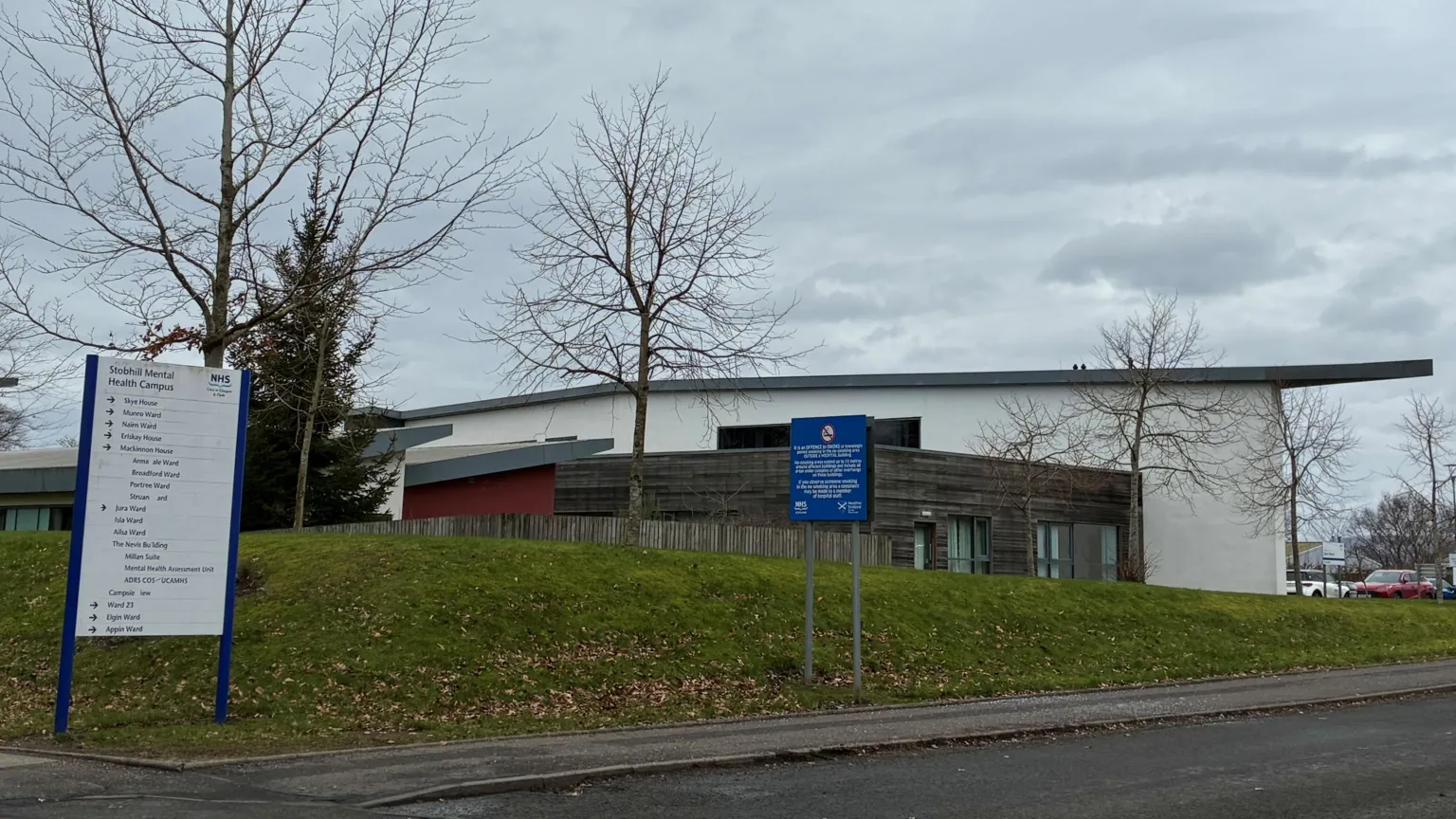
Skye House is a 24-bed psychiatric facility located within the grounds of Glasgow's Stobhill Hospital. It provides care for children aged 12 to 17, typically admitted during crisis situations involving a variety of mental health conditions such as eating disorders, depression, and psychosis.
The young people interviewed by the BBC, admitted between 2017 and 2024, described how nurses frequently resorted to physical force, including restraint and dragging patients along corridors, resulting in bruises and trauma. Some reported excessive use of medication, while others said they were punished for their illnesses, including being required to clean their own blood following self-harm incidents.
Following the broadcast of the Disclosure programme, it emerged that no inspections had been conducted by the NHS safety watchdog prior to the investigation. The Mental Welfare Commission (MWC) had visited the unit seven times since 2016 but lacked enforcement powers. The Healthcare Improvement Scotland (HIS) regulator was only instructed by the Scottish government to begin inspections after the Disclosure investigation.
Consequently, HIS and the MWC conducted an unannounced visit in August 2023. The subsequent report, published on Thursday, acknowledged some improvements in care but underscored significant concerns about staffing and the treatment of certain children.
One patient reported being called "pathetic" and "selfish" for requiring feeding via a nasogastric tube. Another described how, after self-harming, some nurses would not clean blood from her face before walking through the ward to the treatment room.
The report identified a "significant issue" with staffing levels, noting that some staff felt "burnt out" due to the pressures they faced. While patients and families expressed positive views about most staff members, concerns were raised regarding the attitudes of others.
It was found that nursing staff frequently worked additional hours and that there was a reliance on temporary "bank" staff or personnel from adult wards, who reportedly lacked understanding of how to interact with teenagers.
Concerns were also raised about the recording of restraint use, including under-reporting the frequency of such incidents. Young people described restraints applied by untrained agency staff as "rough," though all recorded instances were deemed "proportionate to the level of risk being managed."
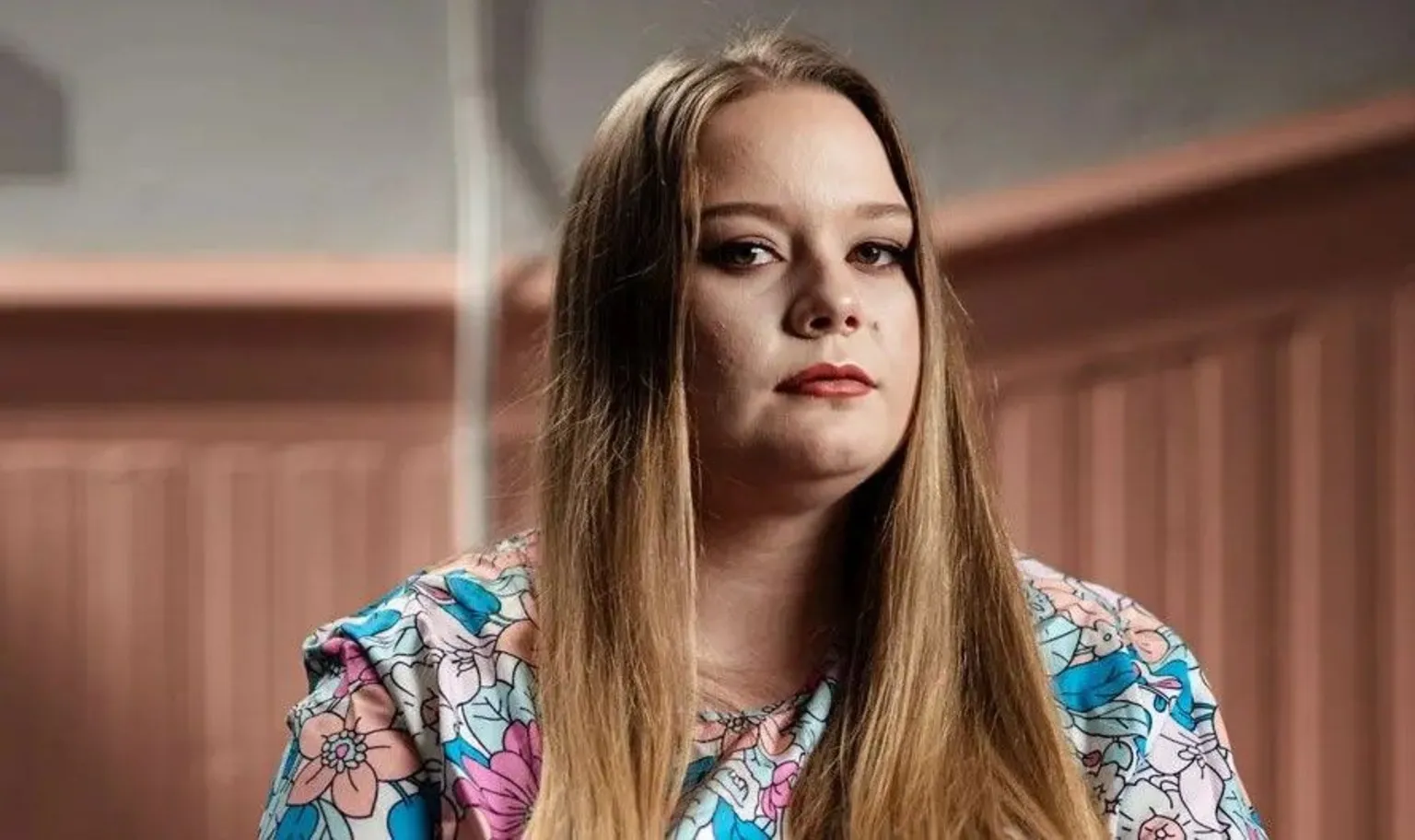
One young person featured in the Disclosure documentary, Abby, who spent two and a half years at Skye House, told the BBC she felt bullied by staff.

"It does deeply concern me to know that that is still happening and that some of the most vulnerable children in there aren't getting the care they deserve,"Abby, now 21, said.
She noted that better care was provided by permanent staff compared to temporary workers, especially when she exhibited signs of distress. Abby was restrained multiple times and emphasized the importance of accurate recording of such incidents to reflect the true nature of patient treatment.
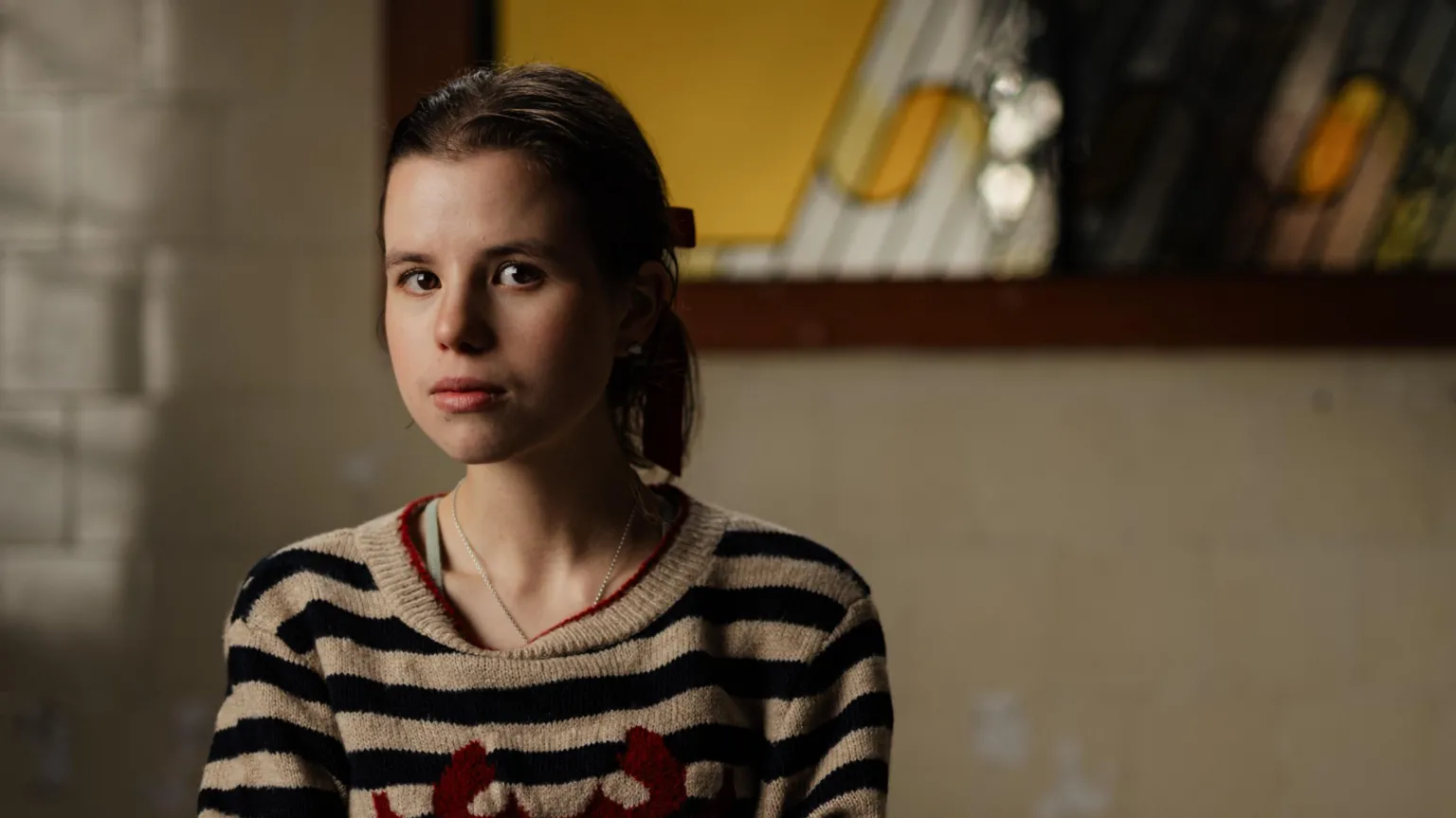
The BBC's investigation into Skye House began after a young person named Anna reported her treatment at the unit in 2023.
"The report confirms that my experience wasn't a one-off. I'm glad I voiced my concern as I fear it would have continued if I hadn't. I still struggle with the trauma from Skye House but the news that change is happening gives me some closure,"said Anna, now 19.
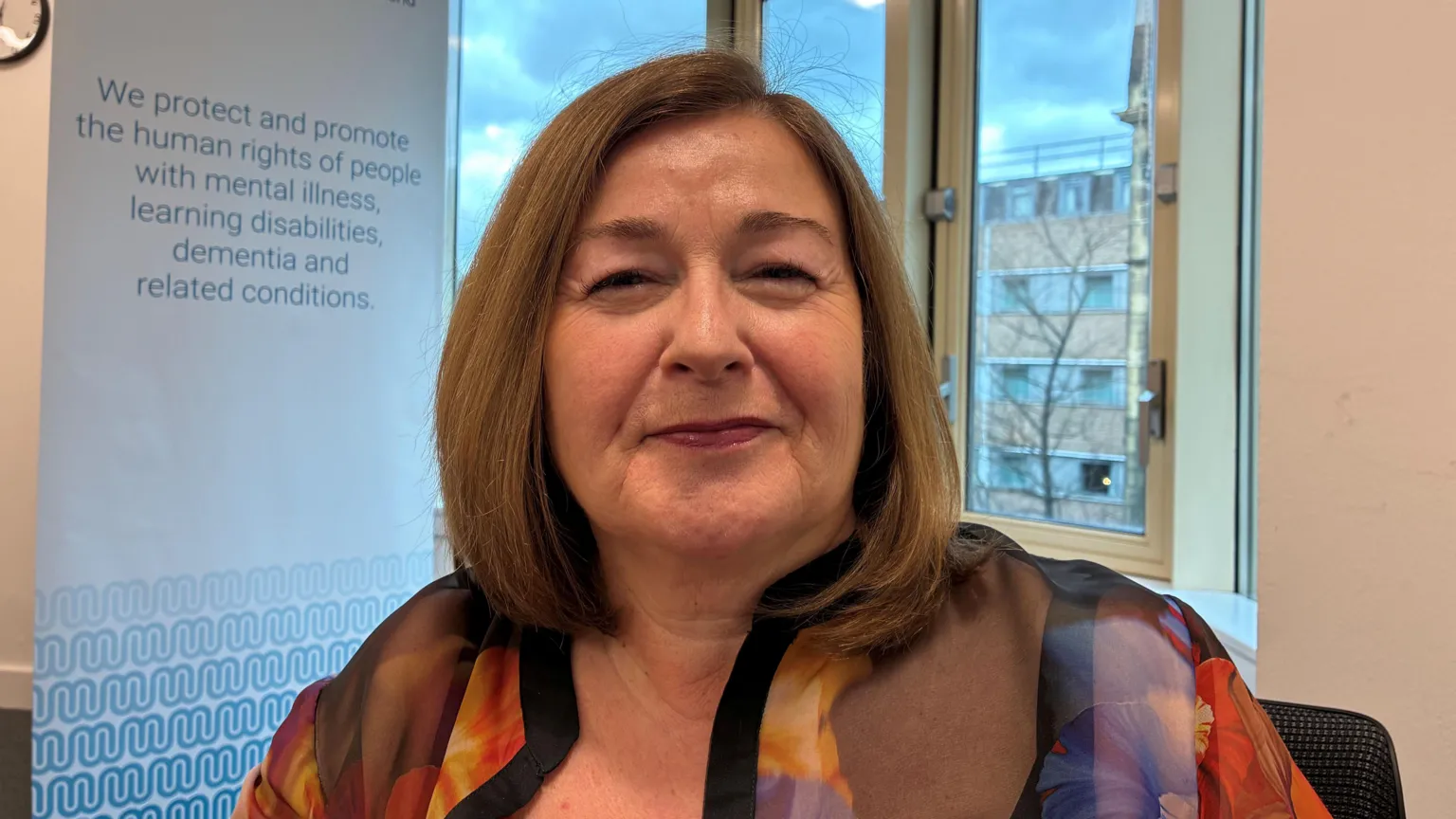
Claire Lamza, executive director (nursing) at the Mental Welfare Commission for Scotland, stated that inspectors heard from young people and parents that some staff were unable to provide adequate support. She linked many concerns to staffing challenges.
"The lack of staffing meant that there weren't enough to be able to support young people when they were in distress,"Lamza added.
"The staff that were coming in didn't necessarily have the training and the skills and the competencies to be able to meet the needs of these young people."
Derrick Pearce, lead director for specialist children's services at NHSGGC, highlighted significant improvement efforts at Skye House, including increased staffing.
"This inspection took place at the mid-point of the improvement plans to tackle the challenges facing the service, and the report highlights a number of improvements already in place, including strengthened leadership, additional oversight and changes in how care is delivered within the unit. However, we absolutely accept more needs to be done to improve service provision."
NHS Greater Glasgow and Clyde has commissioned an external review of the service by the Royal College of Psychiatrists, with findings expected to be reported in March.