

Life-Altering Illness After Holiday
When Sally Crowe returned from a holiday feeling like she had "the worst hangover ever," she was unaware that this illness would change her life permanently.
The disease left her confined to bed for nearly two years and she has dealt with its long-term effects for over a decade. Despite this, Sally says the experience ultimately gave her a fresh perspective on life.
Sally, who manages a 65-acre croft with sheep and cattle in Caithness, gained popularity after appearing on the BBC TV show This Farming Life. However, she explains that her farming methods had to adapt following her contraction of Q fever during a 2012 visit to Western Australia.
She was visiting friends working in a sheep-shearing shed when she contracted the rare and potentially life-threatening airborne disease, which is transmitted from farm animals.
After returning to the UK feeling unwell, her initial symptoms left doctors puzzled.
"I went back and forth to the doctors and they had no idea what it could be," Sally recalls.
"We looked at Lyme disease which is very similar to Q fever but nothing came back."
It took 18 months before the cause of her symptoms was identified.
"Initially I was diagnosed with ME - a chronic fatigue - and told there was nothing they could do," she says.
"I had gone from being really active to doing nothing and spending 18 hours a day in bed."
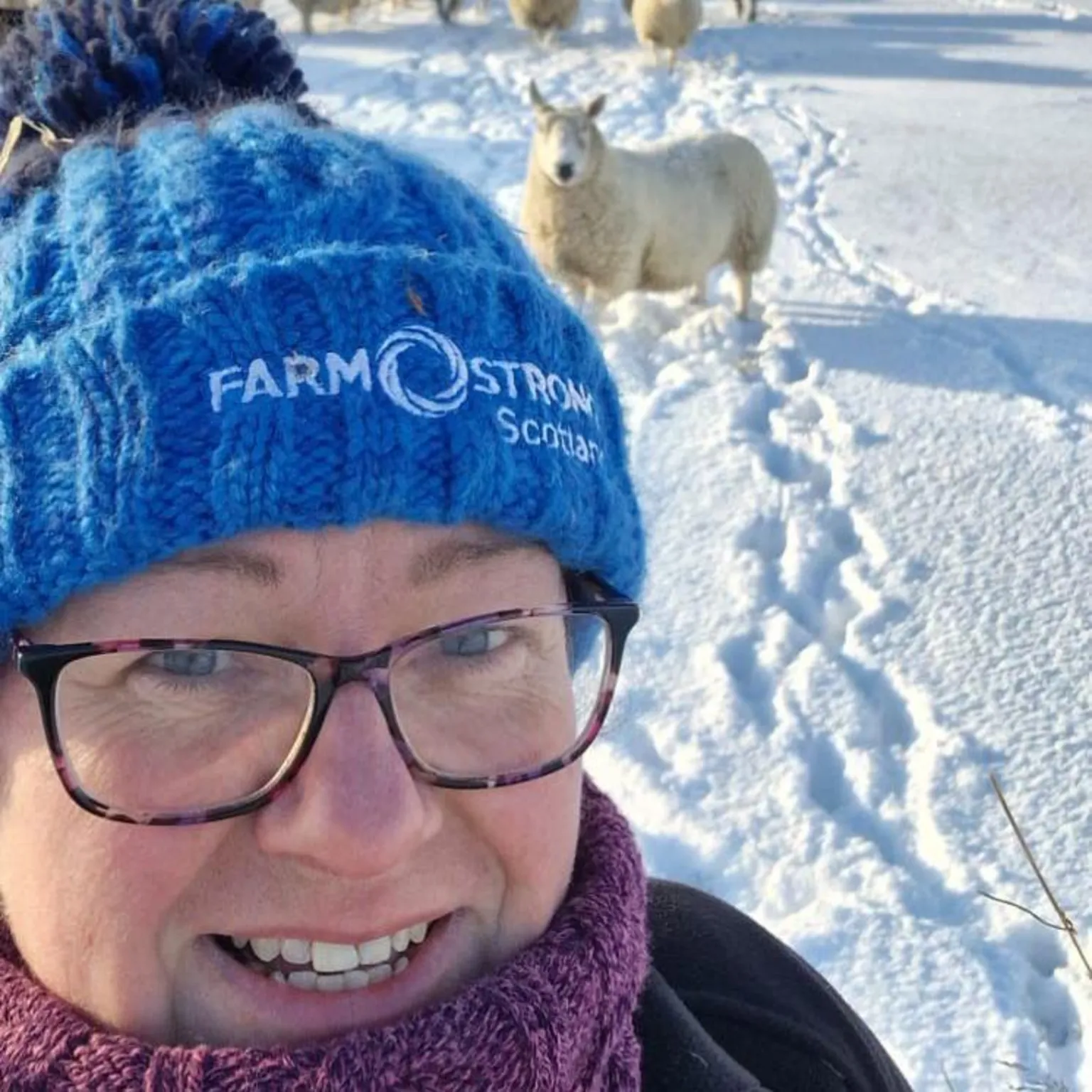
Even after receiving a diagnosis, it was another four years before Sally found an effective treatment plan.
"When we found out it was Q fever there weren't many treatment options in Scotland," she explains.
"I had heard of it but it's very rare here.
Only 5% of people who get the infection actually go on to develop chronic Q fever so it's just one of those really unlucky things.
It's a hard infection to treat, the medication can't kill the infection, it will always be there. You can only get it under control."
Through online research, Sally discovered a specialist in South Africa and began treatment in 2016.
Her regimen consisted of a year-long course involving one week of antibiotics followed by three weeks of an anti-malarial drug.
"It was really rough, going through week after week of treatment," she says.
"It was really awful at times and hard going.
The first couple of months I didn't feel much difference but the third month hit me hard and really kicked in."
Despite the difficult start, the treatment proved transformative as she gradually regained control over her life.
In 2019, she welcomed her son William via IVF and has since prioritized balancing life and work.

"I realised I couldn't go on doing what I was doing," Sally states.
"I was burning myself out, I wasn't making any money and I thought I would have to give up the croft.
I spent a long time being seriously ill, when you don't have the energy to do the things you want and you've been stuck in bed for so long, you realise what is important.
It completely changed my life. Now if I do physical work one day I can only do something that involves mental strength the next."
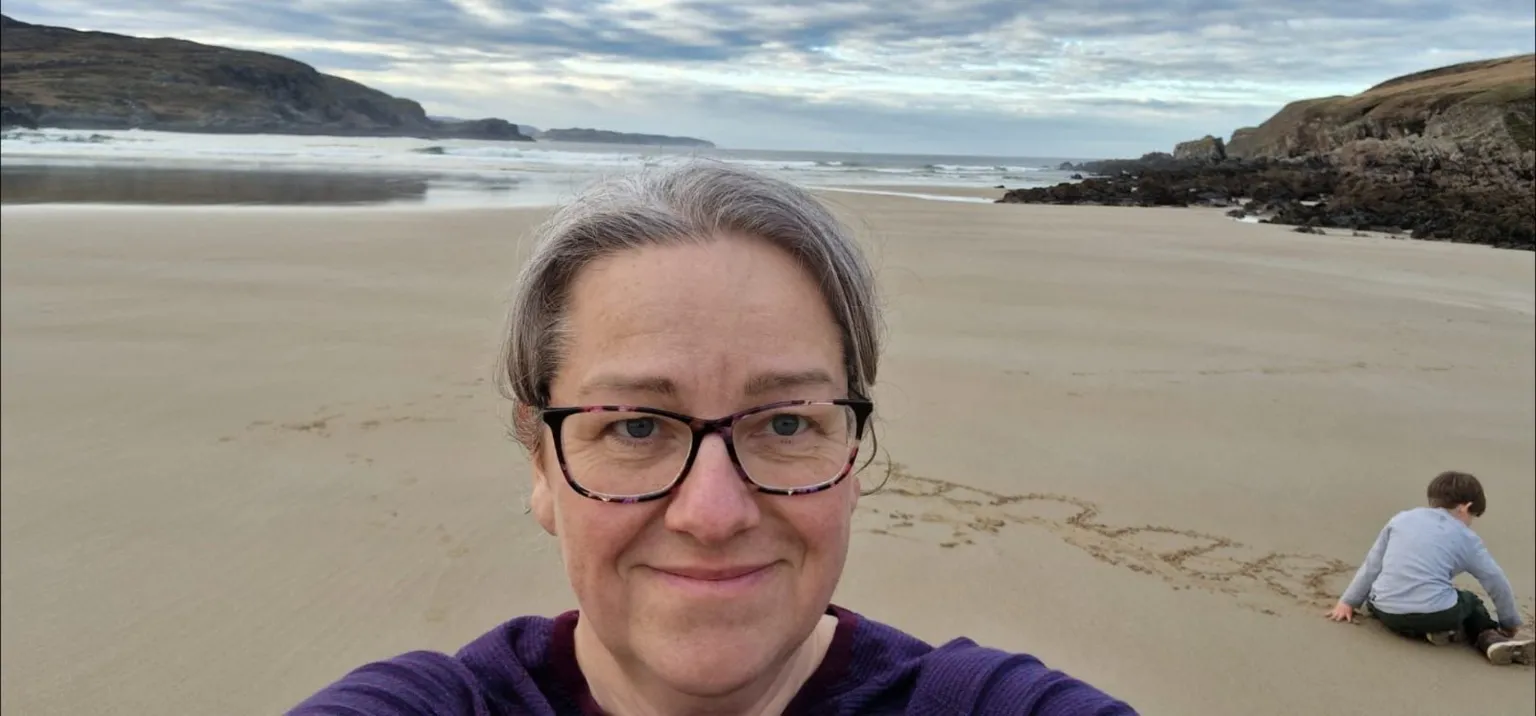
Current Life and Farming
Sally continues to operate the croft, which has been in her family since 1972, maintaining 60 breeding ewes, approximately nine cows, and numerous hens.
Her greatest joy is spending time with her six-year-old son William.
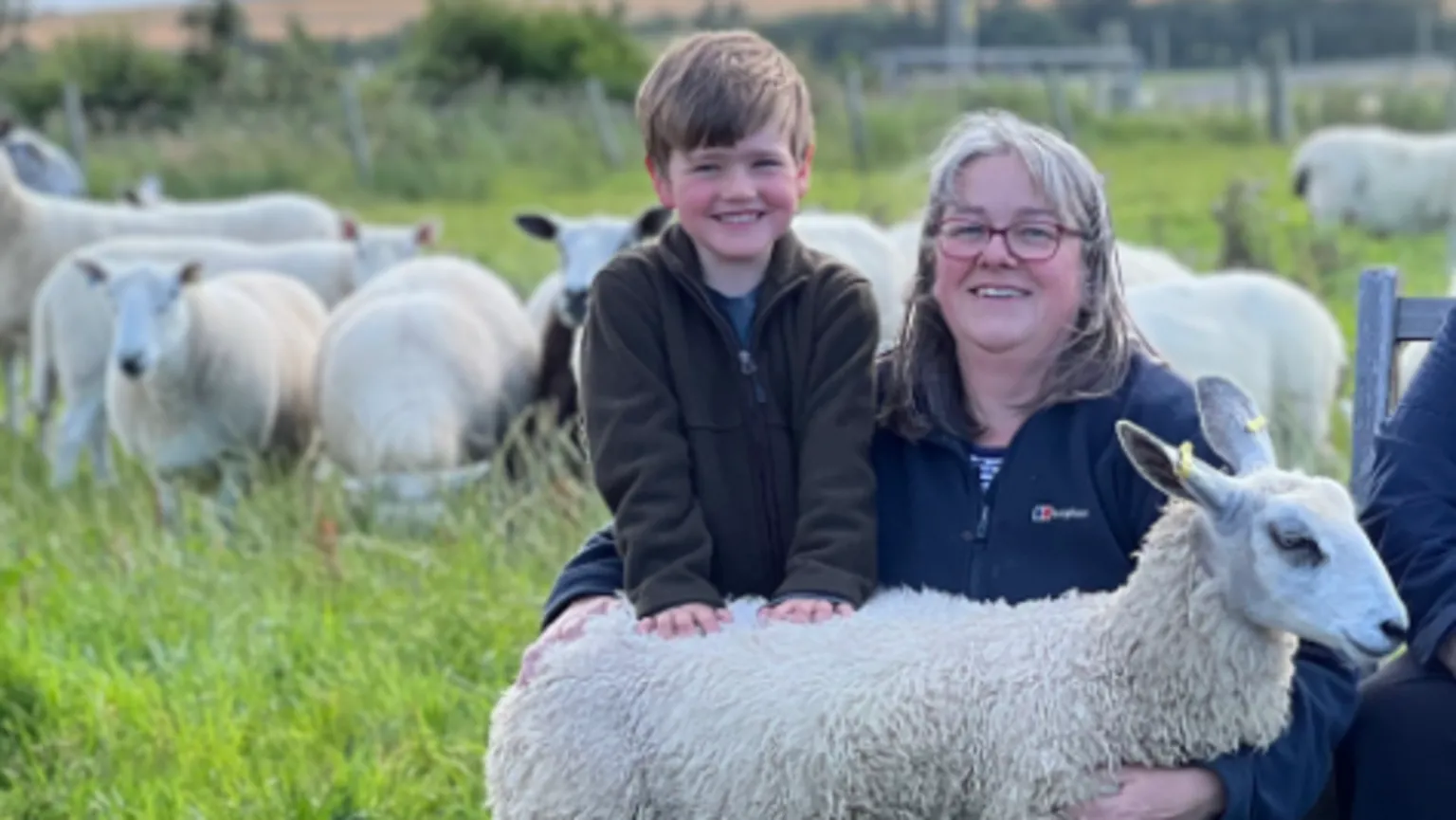
"I feed the cows before my son finishes school and do the basics on the croft then spend time with William," she says.
"I don't work weekends usually - they are there to enjoy.
I want to spend time with him and hang out. He is six now and still thinks I am really cool.
So I probably only have another seven or so years of that, I want to make the most of it."
How Sally Contracted Q Fever
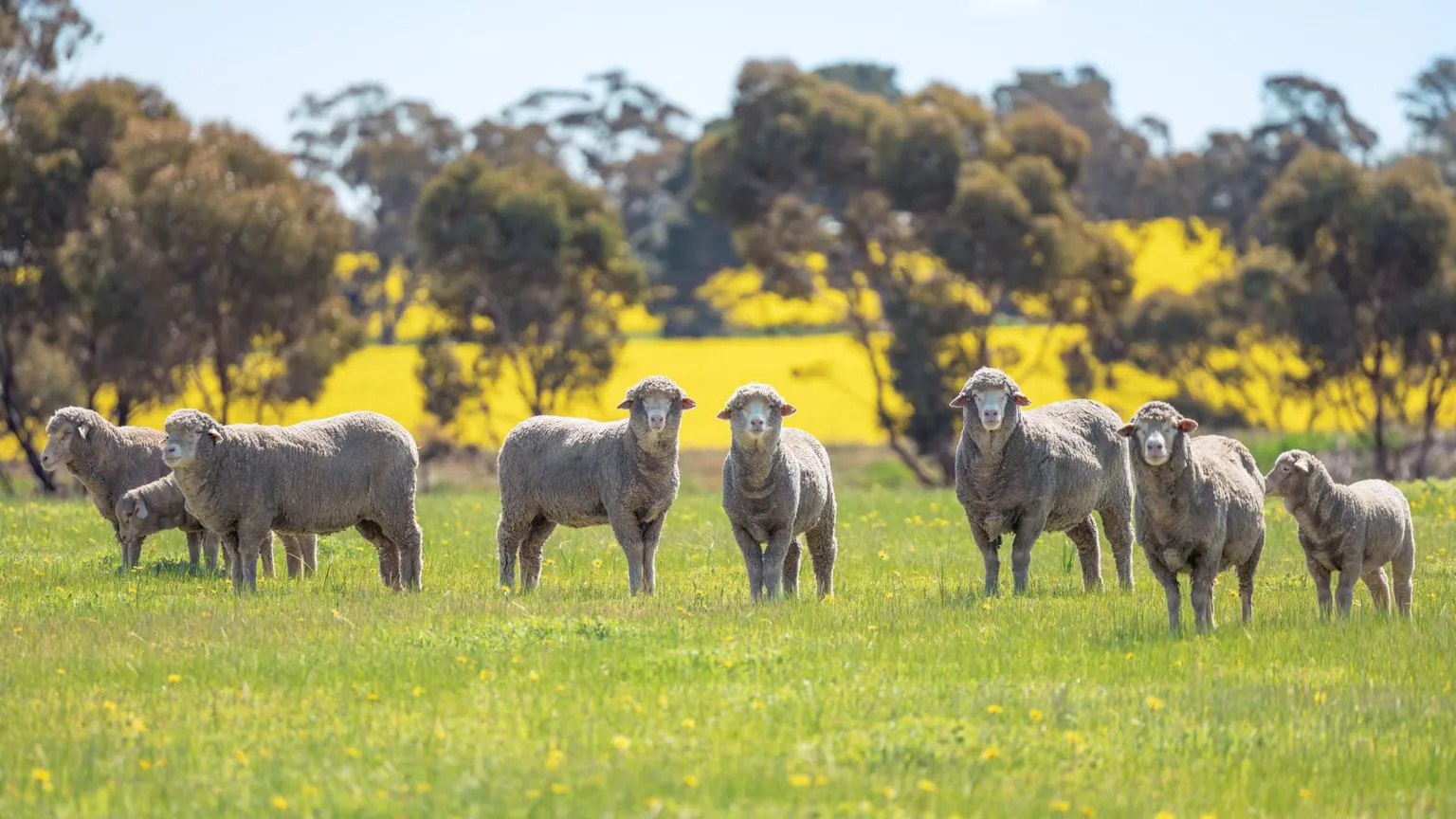
Sally believes she contracted the infection while visiting friends working in a sheep-shearing shed in Australia.
Understanding Q Fever
According to the NHS website, Q fever is a bacterial infection transmitted from infected farm animals such as sheep, cattle, and goats. While usually harmless, it can cause serious health issues.
Symptoms often resemble flu and appear within two to three weeks of infection, including high temperature, muscle aches, fatigue, and nausea.
The disease is most commonly spread through close contact with infected animals, particularly via their blood, urine, feces, skin, fur, or wool.
Although rare, individuals working closely with animals—such as farmers, veterinarians, stable hands, and abattoir workers—are at higher risk.
Currently, there is no licensed vaccine for Q fever available in the UK.
Chronic Q fever can sometimes result in serious heart conditions, including endocarditis.


