

Parents Fear MenB Outbreaks Without Broader Vaccine Rollout
Helen and Lee Draper, whose 18-year-old daughter Meg died from Meningitis B (MenB) in October 2025 while studying at the University of Bournemouth, have expressed concerns that another outbreak similar to the one in Kent could occur without wider availability of the MenB vaccine.
Meg had received vaccinations against meningitis strains A, C, W, and Y at age 14 through the NHS vaccination programme, but not against MenB, which is only offered to children born after 2015.
Her death preceded an "unprecedented" MenB outbreak in Kent, which claimed the lives of two young individuals. Following this, the UK government requested the Joint Committee on Vaccination and Immunisation (JCVI) to reassess meningitis vaccine eligibility for teenagers and young adults.
The UK Health Security Agency (UKHSA) emphasized the importance of parents understanding that neither the MenB vaccine for infants nor the MenACWY vaccine for teenagers protects against all meningococcal strains or all infections causing meningitis.
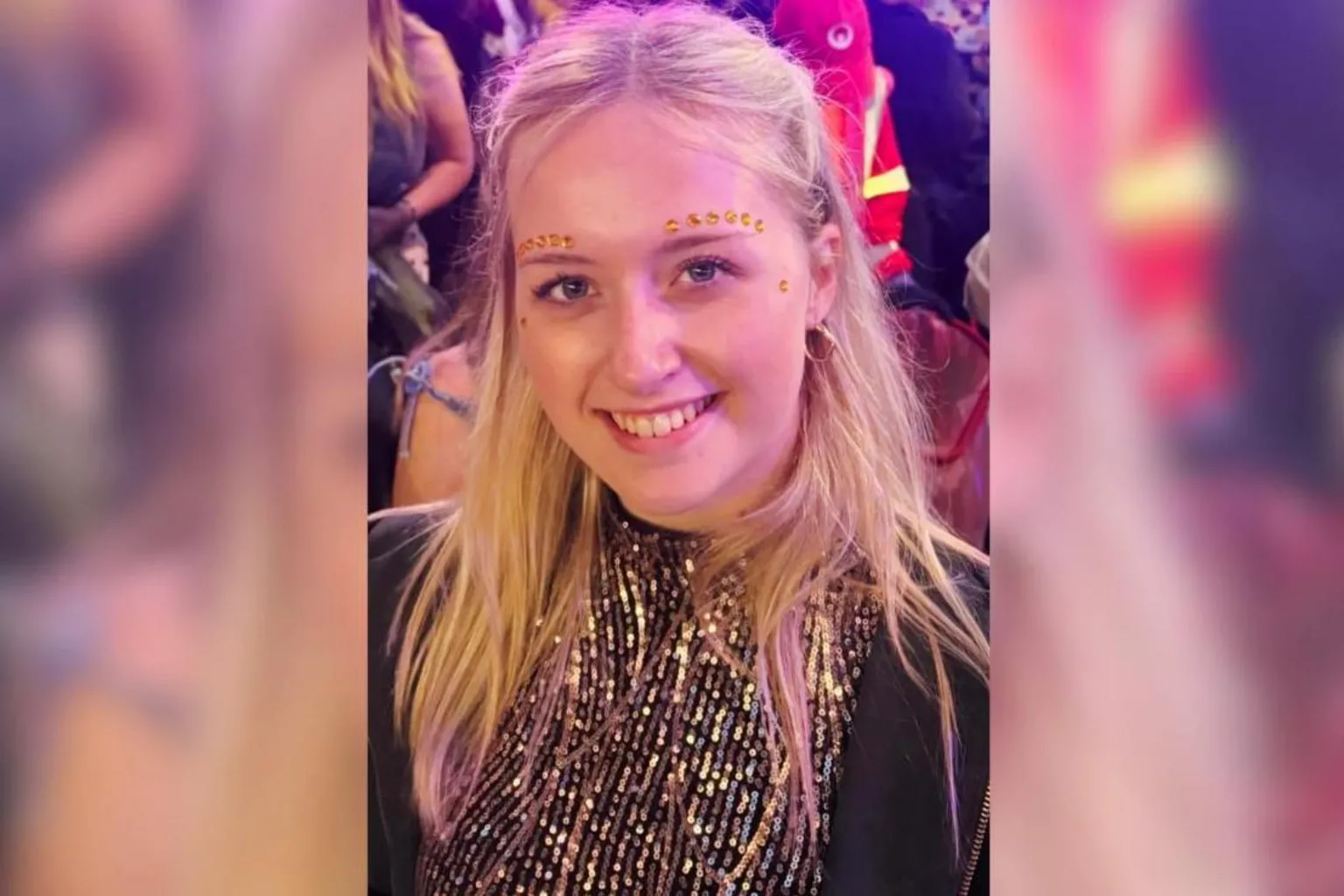
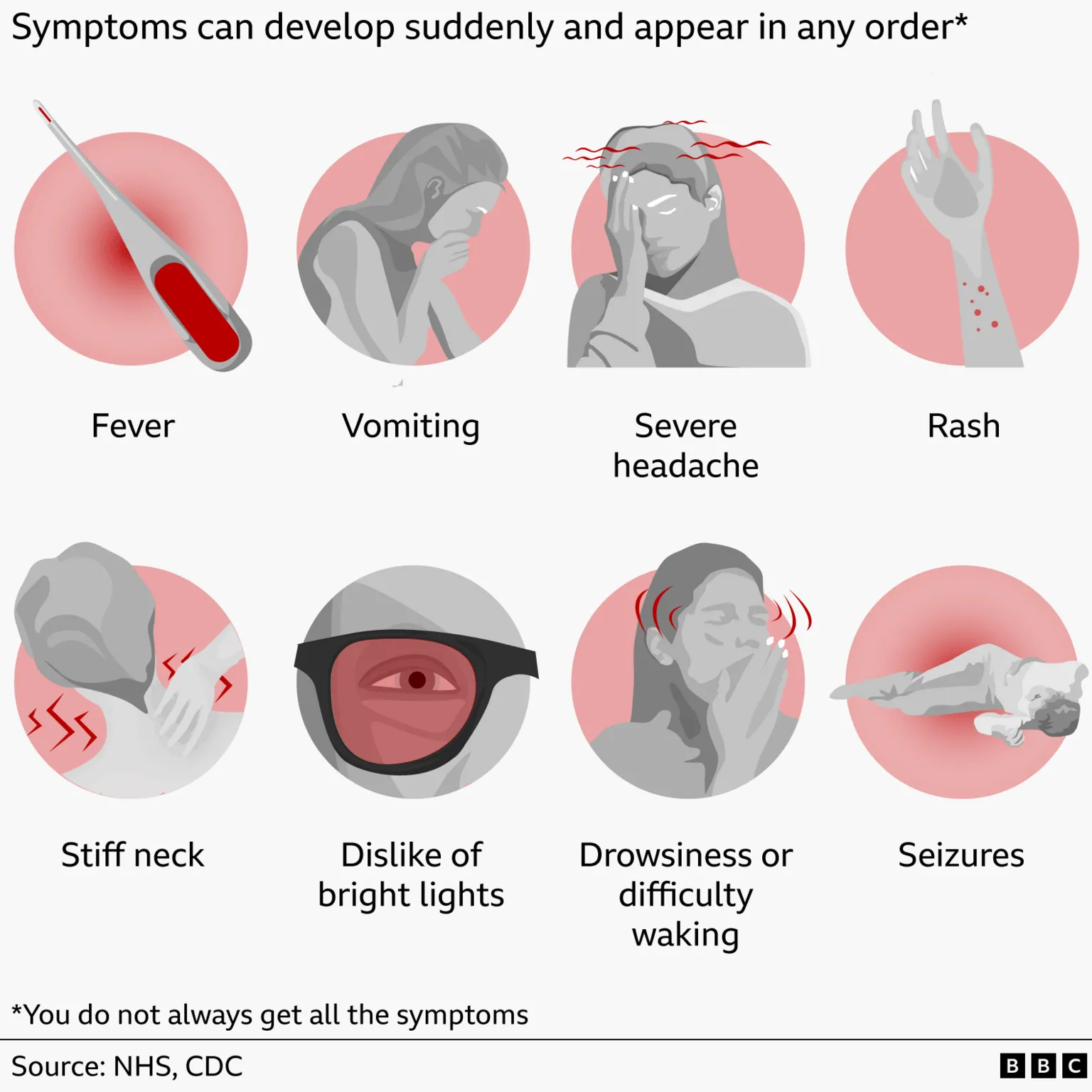
Meg was a popular and athletic teenager enjoying student life socially. One evening, she reported feeling lethargic to her parents. Within 24 hours, her symptoms—including fever, headache, vomiting, and a rash—intensified.
A friend took Meg to the Royal Bournemouth Hospital A&E, but upon arrival, a triage nurse reportedly answered "no" to a sepsis screening question, and Meg was sent back to her university accommodation.
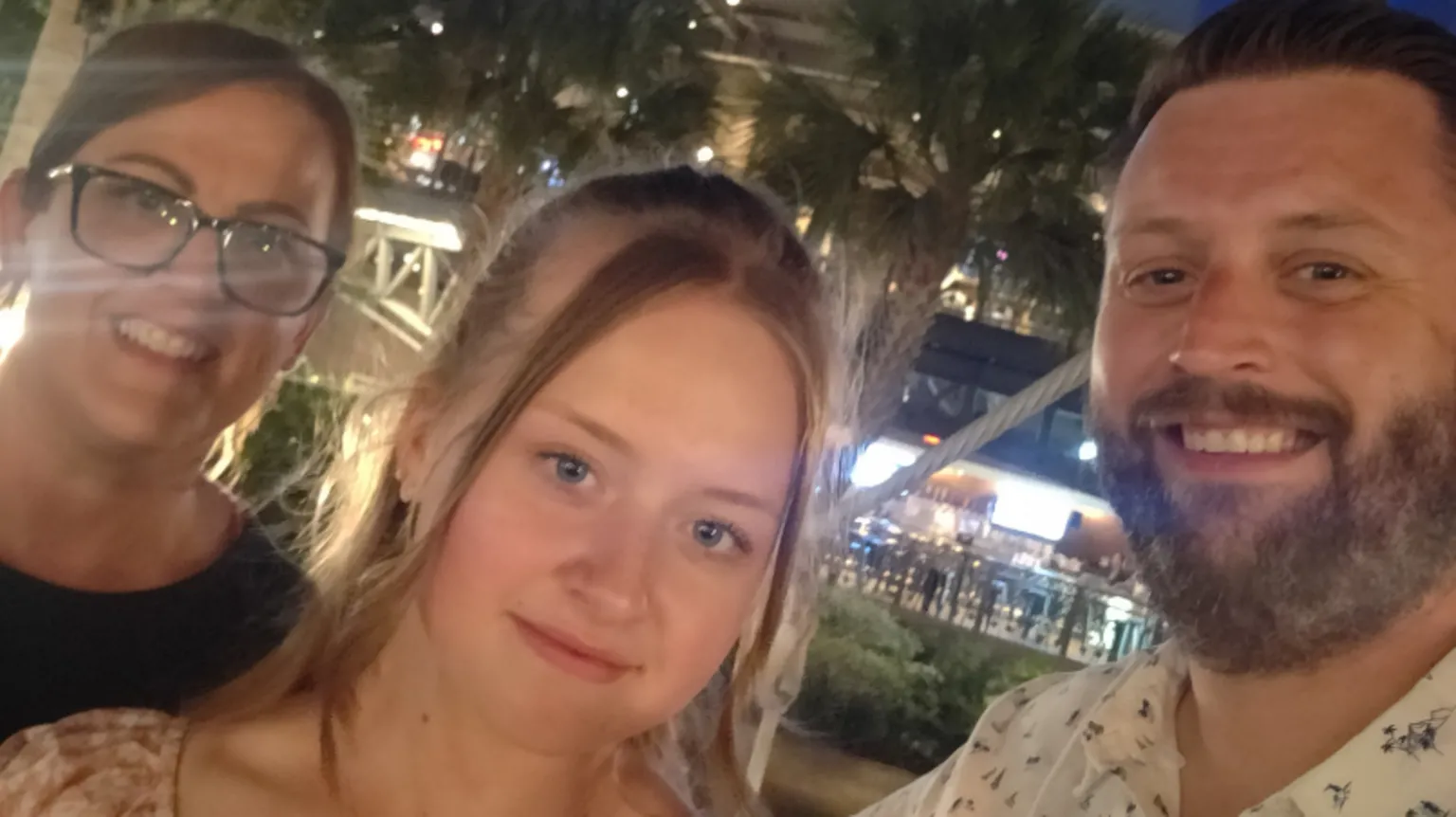
Helen and Lee then traveled from south Wales to Bournemouth to return Meg to A&E.
"Immediately, it was as if we were wasting this doctor's time and he was quite curt with Meg," Helen recalled. "When she was confused and couldn't remember her date of birth he was really frustrated. He asked her three times what her date of birth was, and he looked at me and I had to answer."
She added, "He told us it was 'nothing sinister' and that she should go home and rest."
Helen reflected, "I wish I asked for a second opinion. It's a difficult thing. You trust doctors, you do because they're medically trained and you're not. You live through that every day, if only I asked for a second opinion, the outcome could have been different."
Helen and Lee decided to take Meg back to Wales, but her condition worsened en route. She was admitted to Southmead Hospital in Bristol, where she later died.
A spokesperson for University Hospitals Dorset NHS Foundation Trust said: "Our thoughts continue to be with Megan's family. However, as we are still awaiting the inquest into Megan's death, we are unable to comment further at this time."
MenB Vaccine Eligibility
The MenACWY vaccine, protecting against meningitis strains A, C, W, and Y, is offered free to teenagers in England and Wales. However, the MenB vaccine is only available on the NHS for children born after May 2015, considered the highest risk group.
For older children and adults, the MenB vaccine or booster is available privately at a cost of approximately £220.
While MenB is rare in individuals over four years old, there is a secondary, less common peak in teenagers.
In 2014, the JCVI concluded that vaccinating teenagers and young adults against MenB was "not cost effective." Helen and Lee fear that without NHS availability of the MenB vaccine for 15-24-year-olds, outbreaks like the one in Kent could recur.
UK Health Secretary Wes Streeting has requested the JCVI to reconsider its decision and provide updated advice following the Kent outbreak, committing to follow their recommendations.
The JCVI continues to review all vaccine programmes as new evidence emerges.
Misinformation and Vaccine Clinics
In the weeks after Meg's death, the University of Bournemouth's on-campus GP held three meningitis vaccination clinics, offering vaccines for MenACWY strains but not MenB.

Helen stated, "Nothing was told to parents or students that Meg died from MenB and this vaccination wouldn't protect them [from MenB]. It's quite dangerous in a way, that misinformation and misguidance. Those students would have naturally thought they were going to be OK and go about their day as normal."
The University of Bournemouth explained that its NHS medical centre could not provide the MenB vaccine but emphasized that MenACWY is a life-saving vaccination.
"We advise all our students when they join how they can get vaccinated against strains of meningitis and other contagious diseases and send them reminders throughout the year. This now includes information on MenB to ensure students are clear," a university spokesman said.
"Our health advice to students makes it clear that they need to seek medical help immediately if they show any symptoms of meningitis, even if they have had a vaccination," they added.
"Mr and Mrs Draper are still in our thoughts and we wish them well with their campaign to raise awareness of MenB."
The UKHSA stated that the MenB vaccine was not offered to students in Bournemouth because Meg's case was a "single meningitis case," and that it fully complied with its guidance. Meg's close contacts were offered antibiotics.
Lee noted similar confusion during the Kent outbreak, which resulted in the deaths of a 21-year-old University of Kent student and Juliette, a sixth form pupil at Queen Elizabeth's Grammar School in Faversham.
"You could see how much confusion there was from the outset, not just from parents and students but also in the wider media," Lee said. "That confusion stems from the overall lack of information and guidance on MenB that's gone back for years. The decision to not vaccinate against MenB was made a decade ago. Even now, I know a lot of websites are being updated, but if you look around the amount of information and how clear that is is still incredibly poor."
"Lessons do need to be learned," Helen added.
Helen and Lee described it as a "fatally flawed position" to rely solely on people recognizing signs and symptoms, stating the "onus shouldn't be on bereaved parents" to raise awareness about MenB.
The UKHSA said leaflets provided to parents and students clearly state that MenACWY does not protect against MenB and that awareness of symptoms remains critical.
It also noted that its daily communications during the Kent outbreak were "very clear from the outset."
Dr Mary Ramsay, Deputy Director of Public Health Programmes at UKHSA, said: "We were saddened to hear of the death of this young woman. For all parents, it's important to know that neither the MenB vaccine for infants or MenACWY vaccine for teenagers, both introduced in 2015, protect against all meningococcal strains nor against all infections that can cause meningitis.
"That is why it is so important that everyone knows the symptoms to look out for as early treatment can be life-saving. Parents of children born before May 2015 should be aware that their child will not have been routinely offered the MenB vaccine and are encouraged to speak to their GP for advice."
Government and Political Responses
The Welsh government stated it follows JCVI advice on vaccine programmes and that the JCVI has been asked to reexamine meningitis vaccine eligibility following the Kent outbreak.
It added that resources and information have been shared with higher education institutions and healthcare professionals to ensure awareness of meningitis signs and appropriate responses.
A Welsh Liberal Democrat spokesperson urged ministers to consider extending MenB vaccine access to older teenagers and university students in light of the Kent outbreak.
Plaid Cymru emphasized the need for Wales to remain "aware and alert" to public health threats and called on the government and NHS to adapt quickly based on scientific evidence.
A Welsh Conservatives spokesperson stated:
"If the expert medical advice is clear that extending the MenB vaccine to teenagers would prevent serious illness and deaths, then the Welsh government should not hesitate to act. We would expect ministers to follow that advice, work with the NHS to deliver it swiftly and ensure that no family is left facing a preventable tragedy."
Reform and Wales Green Party have been asked to comment.


