

Older Patients Express Frustration Over Hospital Care
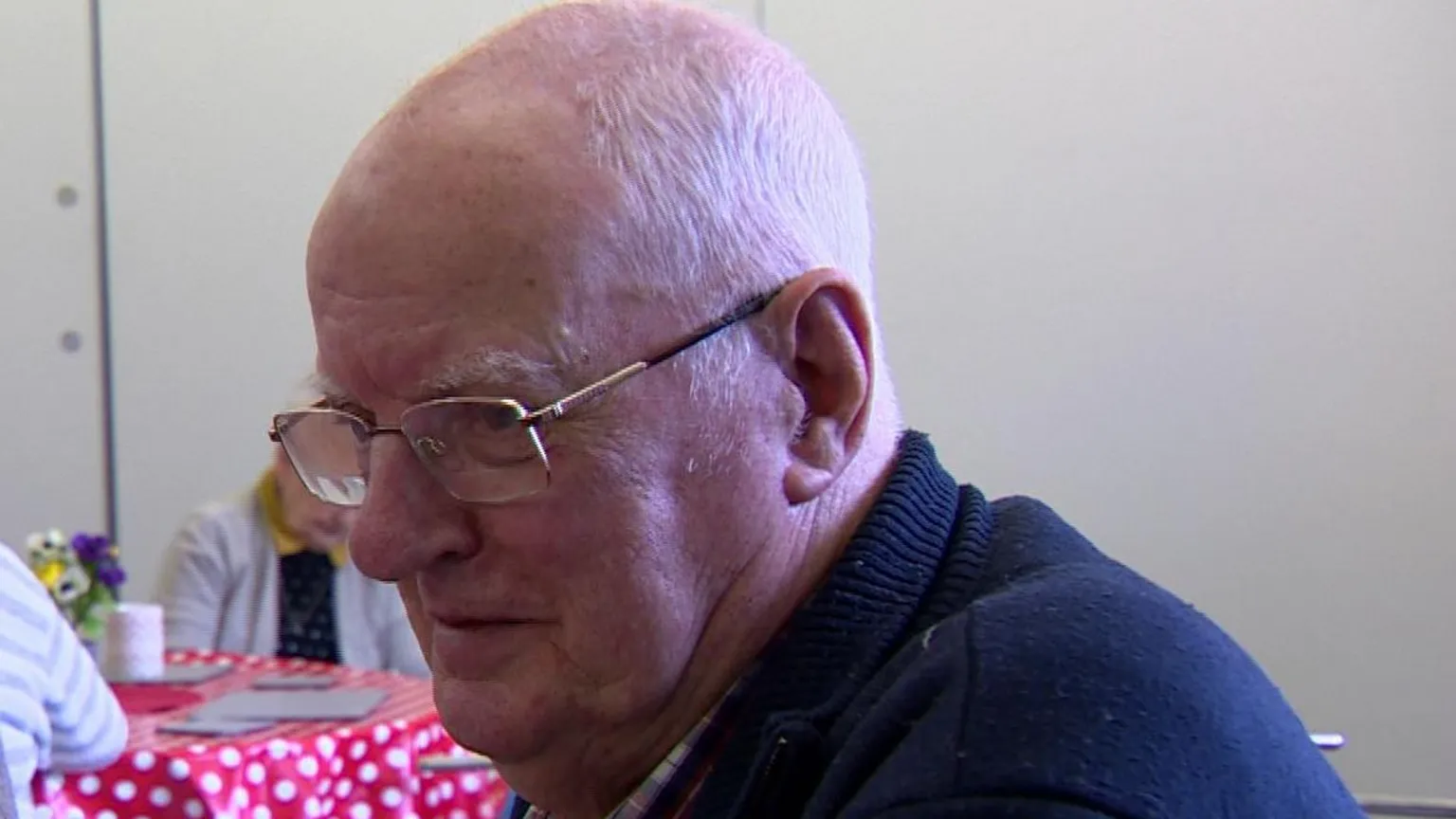
An 87-year-old man, Andy Leebody, who spent "a couple of weeks" in a hospital corridor following a stroke, has highlighted the challenges faced by older patients within the healthcare system.
Leebody stated that when hospital wards are full, there is "nothing you can do about it" regarding bed availability.
His comments come after Northern Ireland's Commissioner for Older People, Siobhan Casey, reported that elderly individuals "no longer feel protected" by the health service.
Casey released a report analyzing the impact of current health service pressures on older people, revealing widespread difficulties in accessing general practitioners (GPs), emergency treatment, hospital care, and social care services.
The report indicates that demand for health and social care is increasing faster than the system's ability to respond.
Casey described the ongoing winter pressures as a year-round issue, stating they are "driven not by temporary post-Covid disruption, but by irreversible demographic change."
'You have to just lie there and that's it'
Leebody recounted his hospital experience after his stroke, where he spent "a couple of weeks" on a bed in a corridor due to full wards.
"If they haven't got the space to take you, there's nothing you can do about it.
"You have to just lie there and that's it,"
he told NI.
Despite not being admitted to a ward, Leebody noted that hospital staff provided good care during his stay.
He also expressed optimism that the current situation might improve.
The Department of Health was approached for a response to the Commission for Older People for Northern Ireland (COPNI) report.
Patient Reports Calling GP '300 or 400 Times'
Another patient, Eddie, shared with NI the difficulties he faces when trying to access GP services.
He stated that he sometimes has to call his family doctor "three or four hundred times" to get through.
"Then when I eventually do get through, they turn round and tell me there's no appointments,"
Eddie also expressed frustration at the lack of face-to-face consultations.
"How can you examine somebody on the phone and know what's wrong with them?
"You need to see a doctor and that is almost impossible nowadays."
'It's Going to Get Worse Without Reform'
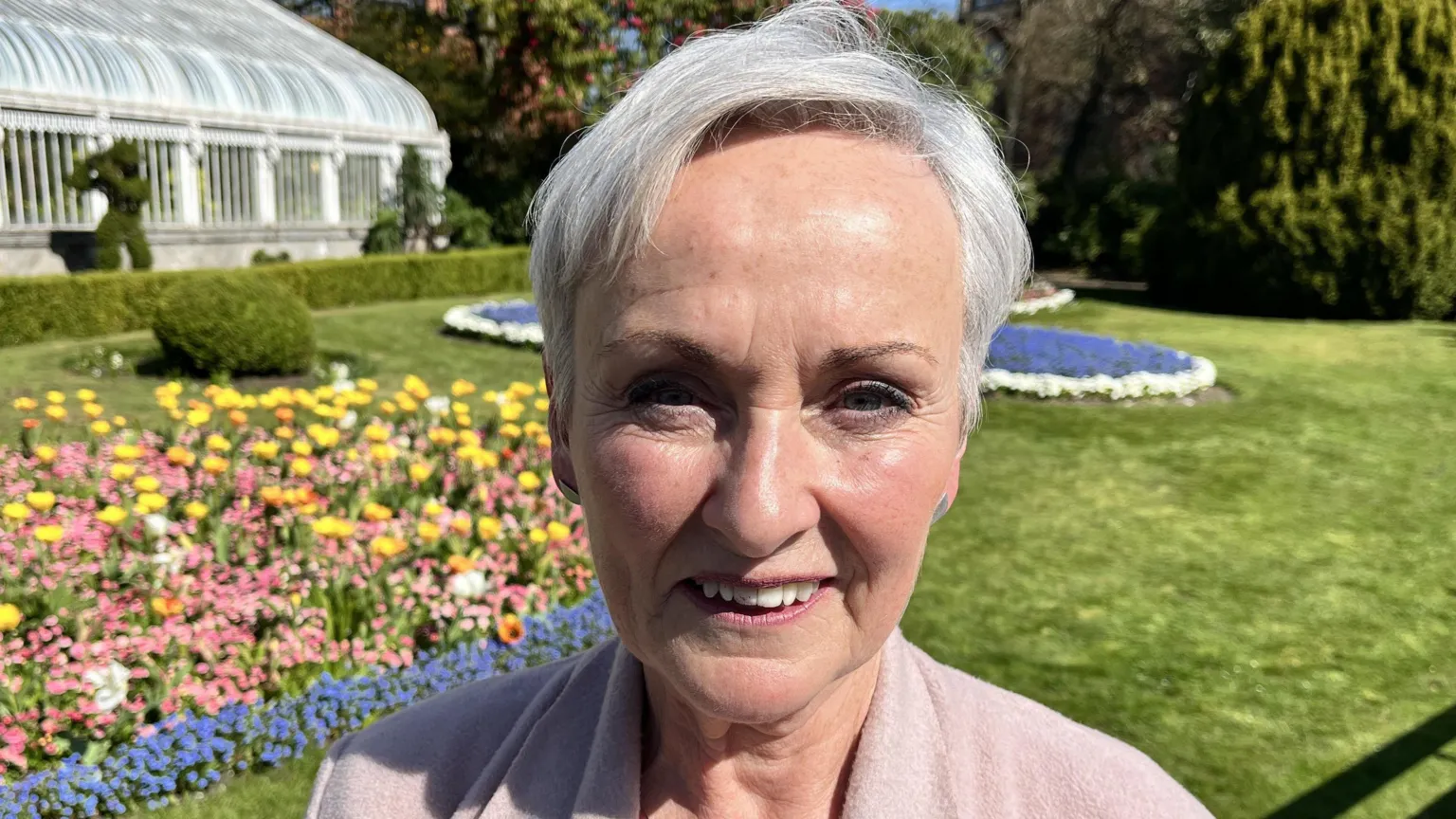
Casey emphasized that access issues affecting older people are a societal problem, cautioning younger individuals who may believe they are unaffected.

"We are all ageing,"
the commissioner said.
"The system we allow to decline today is the one we will all rely on tomorrow."
She highlighted the necessity of a comprehensive government approach.
Casey expressed hope and urged the Stormont executive to support the Department of Health in implementing necessary reforms.
"It's going to get worse unless we can get the reform,"
she stated.
Speaking on BBC Radio Ulster's Good Morning Ulster, Casey described hearing reports of people needing to call up to 100 times to secure a GP appointment.
She noted that such repeated calls cause "anxiety, stress and a feeling of worthlessness."
Casey acknowledged that difficulties in healthcare access must be recognized.
"We've got a 100,000 more older people than we did 10 years ago,"
she said.
However, she added that there are fewer GPs, fewer social care packages, fewer care home beds, and longer waiting lists.
'The Current Situation Is Not Sustainable'
Dr Alan Stout, chair of the British Medical Association's (BMA) Northern Ireland Council, concurred that access to hospital care is delayed and some waits are unacceptable.
He clarified that access problems are not due to GPs or practice staff but stem from "sustained and growing pressures on general practice."
Stout attributed these pressures to "years of underfunding," an ageing population with increased needs, fewer GP practices, larger patient lists, and workforce shortages.
He explained that many practices have implemented telephone and triage systems as the only viable method to manage demand.
"The current situation is not sustainable,"
he said.
Stout added that what is required is a "clear, long‑term plan to stabilise and invest in services, support and retain the medical workforce, and match capacity to population need."


