Understanding the Glycemic Index
For individuals managing diabetes, understanding the glycemic index (GI) is crucial. The GI measures how quickly carbohydrates in foods raise blood glucose levels. Foods are ranked on a scale of 0 to 100, with lower numbers indicating slower glucose release.
Why Glycemic Index Matters
A diet focused on low-GI foods can help maintain steady blood sugar levels. This is vital for diabetics, as it reduces the risk of blood sugar spikes and crashes that can lead to serious health complications.
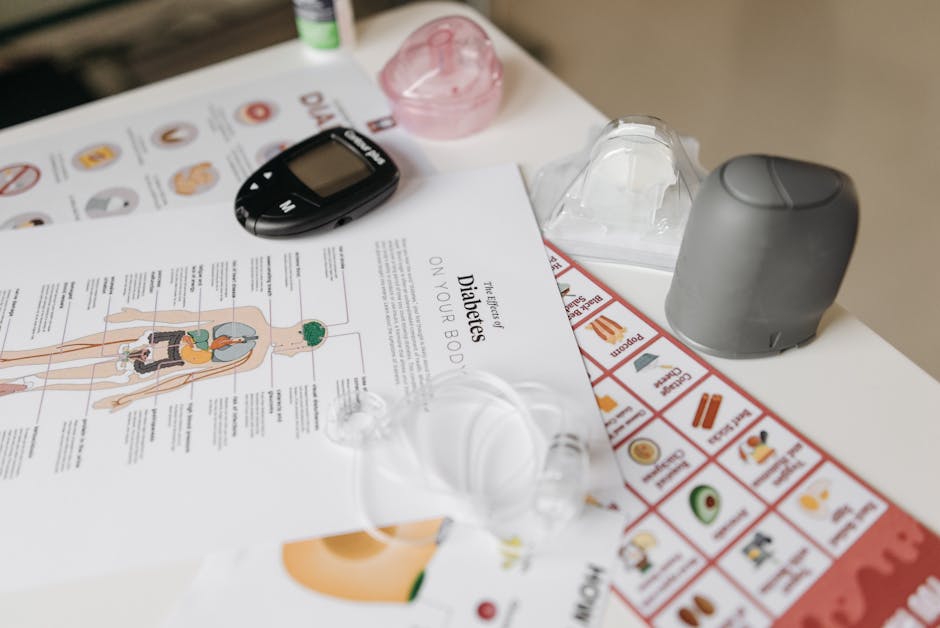
"Choosing low-GI foods can be a game-changer for diabetics aiming for better blood sugar control."
Top Low-GI Foods
Incorporating low-GI foods into your diet doesn’t have to be challenging. Here are some excellent options:
- Whole grains: Opt for barley, quinoa, and steel-cut oats.
- Vegetables: Non-starchy vegetables like broccoli, carrots, and leafy greens.
- Fruits: Berries, apples, and pears are great choices.
- Legumes: Lentils, chickpeas, and beans are rich in fiber and low in GI.
Balancing Meals for Optimal Sugar Control
Creating balanced meals that combine carbohydrates, proteins, and fats can slow the absorption of sugar, thereby aiding in controlling blood glucose levels.


Consider pairing a protein source like chicken or tofu with complex carbs such as brown rice or sweet potatoes. Adding healthy fats like avocado or olive oil can further enhance satiety and nutrient absorption.
Practical Tips for Diabetics
Here are some practical strategies to follow:
- Monitor portion sizes: Even low-GI foods can impact blood sugar if consumed in large quantities.
- Stay hydrated: Adequate hydration helps manage blood sugar levels.
- Plan meals: Preparing meals in advance can prevent unhealthy choices when you're hungry.
The Role of Physical Activity
Regular physical activity complements dietary efforts in managing diabetes. Exercise improves insulin sensitivity, allowing your body to use glucose more effectively. Aim for at least 150 minutes of moderate exercise per week.
Concluding Thoughts
Managing diabetes through diet doesn't have to be daunting. By understanding the glycemic index and integrating low-GI foods into your meals, you can take significant strides in controlling your blood sugar levels. Combine these dietary changes with regular exercise and smart portion control for the best outcomes.