

Call for Immediate Restrictions on High-Risk Cosmetic Procedures
A cross-party group of MPs has called for urgent tighter restrictions on high-risk cosmetic procedures, including liquid Brazilian butt lifts (BBLs). The Women and Equalities Committee emphasized that only doctors should be permitted to perform these treatments due to the significant risks involved.
The MPs argue that this requirement would effectively act as a ban, as doctors would only conduct such procedures in strictly essential cases. Although the government has proposed similar measures, it has not yet confirmed when these restrictions will be implemented. Currently, there is no regulation governing who can provide non-incisional cosmetic procedures.
The committee described the current situation as a "wild west" market, with procedures such as liquid breast enlargements reportedly being carried out in Airbnbs, hotel rooms, garden sheds, and public toilets. Women have reported to the BBC experiencing dangerous complications, pain, and permanent scarring after treatments performed by unregulated operators.
'Complete Nightmare' Experience of Sasha Dean
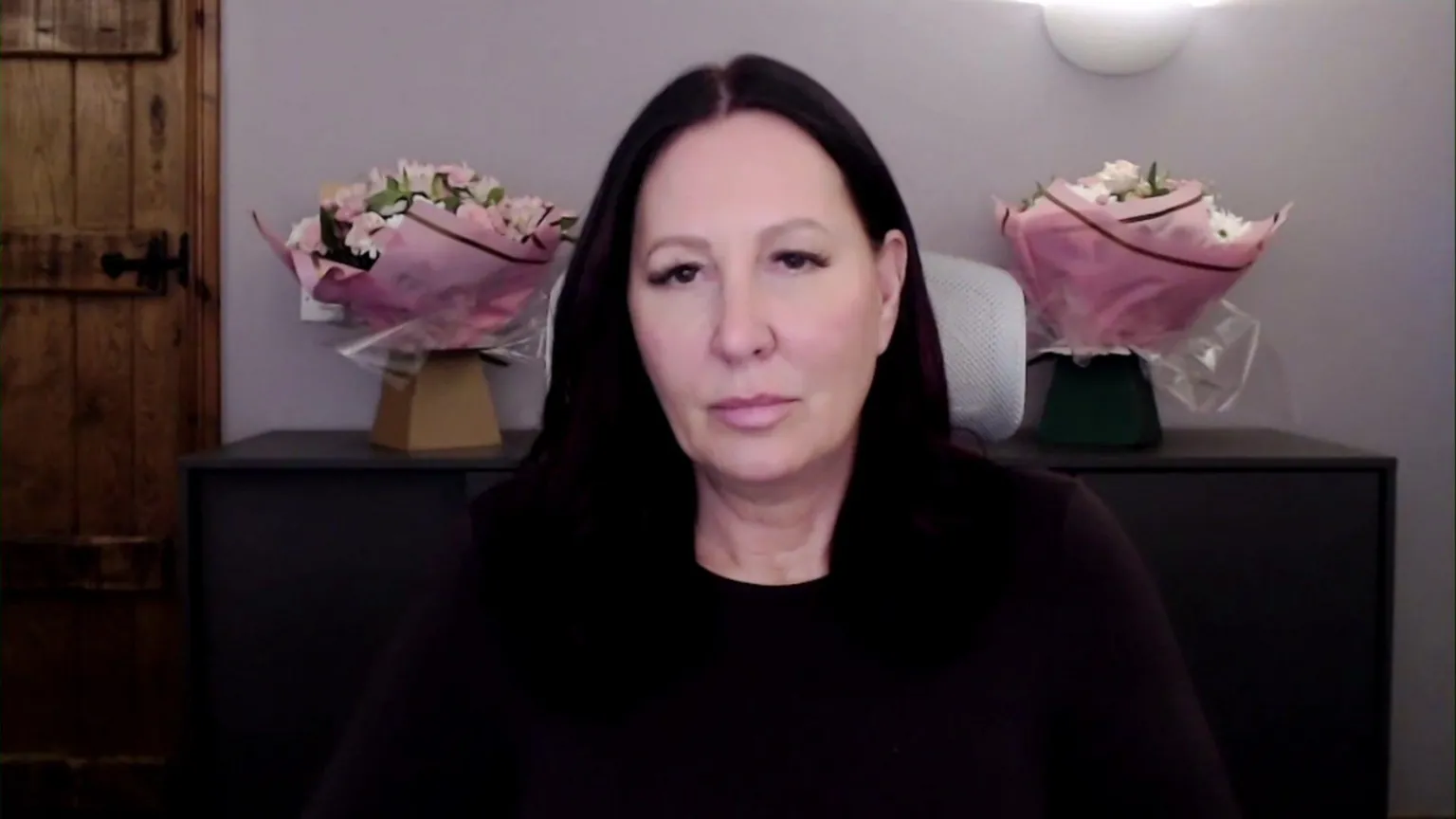
In early 2024, Sasha Dean from Bedfordshire was left in a coma following a liquid BBL procedure, part of which took place in a private house. She developed sepsis as a result.
"Very quickly it turned into a complete nightmare," Dean told the BBC.
"I had a heart attack, one of my lungs had collapsed, my kidneys were failing. My body was just completely shutting down."
After spending five days in an induced coma, Dean survived and has since recovered, but she continues to suffer from physical side effects.
"It's just been the most horrendous couple of years. I lost all my hair, I've got cognitive issues, I've had problems dropping things and I've had problems with my eyes. It's just an ongoing battle," she said.
"It's ruined my life, quite frankly."
Dean now warns other women about the dangers of the procedure.
"Because it's not surgery, people still think that it's safe. But for me, I just think it is the most dangerous procedure out there.
I'd like to see it banned in all honesty."
Calls for Tougher Measures
Labour MP and committee chair Sarah Owen highlighted the serious safety risks posed by liquid BBLs and liquid breast augmentations.
"The government is not moving quickly enough. There is no need for further consultation and delay," she said.
"This 'wild west' of procedures is placing the public at risk."
Owen also urged the government to commit to implementing its licensing scheme for lower-risk non-surgical procedures by the end of this parliament in 2029.
Under government proposals, high-risk procedures would only be performed by regulated healthcare professionals, with services inspected by the Care Quality Commission. Lower-risk procedures, such as Botox and lip fillers, would be subject to council licensing schemes.

A Department of Health and Social Care (DHSC) spokeswoman stated that the government is already taking steps to crack down on 'cosmetic cowboys' and eliminate dangerous treatments.
"Our tough new measures will ensure only qualified healthcare professionals will be able to perform the highest-risk procedures.
For anyone considering a cosmetic procedure, please check the provider's qualifications and insurance - and avoid treatments that appear suspiciously cheap."
However, the DHSC has not confirmed a date for the introduction of these measures.
The government began consulting on these changes in 2023, although the committee noted that calls for tougher regulation have been ongoing for over a decade.
Meanwhile, there has been rapid growth in businesses offering these procedures. A recent University College London study found more than 5,500 clinics now offer non-surgical cosmetic treatments in the UK, with only one-third of practitioners being qualified doctors.
The committee's report highlighted a lack of consistency in training standards, with some practitioners relying solely on online training courses before providing treatments.
Role of Social Media and Enforcement Challenges
Dr Sophie Shotter of the British College of Aesthetic Medicine emphasized the need for prompt regulatory action.
"If the government clearly defines which procedures are considered high-risk and legislates that only regulated healthcare professionals can perform them, implementation could happen relatively quickly.
The key is clarity," she added. "Without a clear definition of 'high-risk', enforcement becomes difficult.
But once that legal line is drawn, it should be a prosecutable offence for non-clinicians to carry out those treatments."
The MPs also called for the NHS to begin recording data on complications arising from cosmetic surgeries performed abroad, following reports of patients requiring emergency care after botched treatments overseas.
Additionally, the committee expressed concern about the influence of social media platforms and online influencers, which they say contribute to worsening body image and increased demand for cosmetic procedures, particularly among young women and girls.
The government has stated it will consider the committee's recommendations.


