

Fatal Morphine Overdose Following Hospital Discharge
A man died from a morphine overdose two days after being mistakenly prescribed the medication upon discharge from hospital, according to the Public Services Ombudsman for Wales.
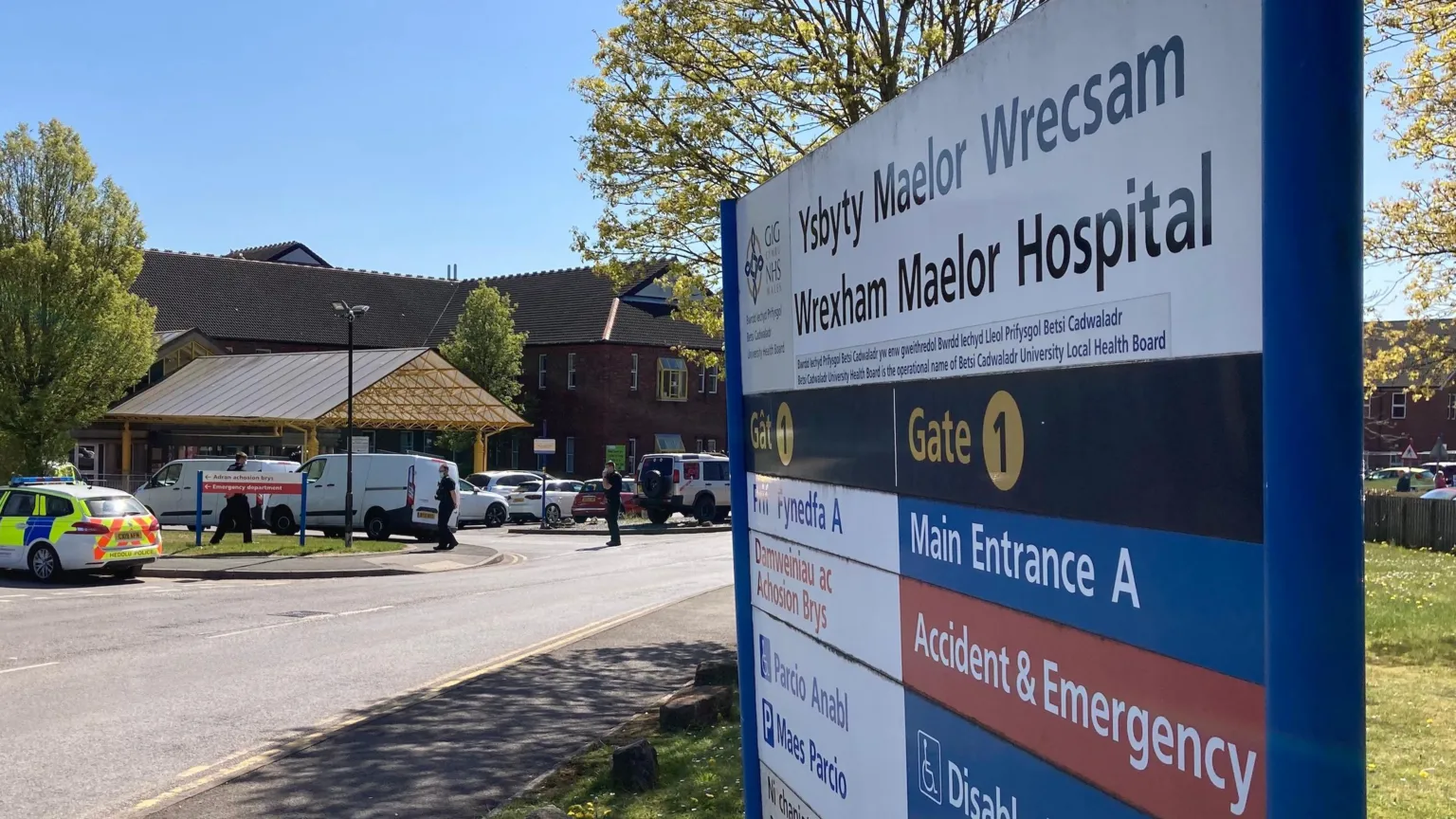
The ombudsman attributed the incident to a "series of failures" by staff at Wrexham Maelor Hospital and described the event as an "extremely serious injustice."
The man's widow expressed that she felt her husband had been sent home from hospital "with a loaded gun."
Betsi Cadwaladr University Health Board has issued an apology and acknowledged that it "fell short" in its duty.
The patient, identified only as Mr P, was admitted to hospital in March 2024 for treatment related to alcohol withdrawal symptoms.
While in hospital, Mr P was administered morphine sulphate under the brand name Sevredol, an opioid used to manage severe pain.
However, upon discharge, a doctor mistakenly prescribed morphine for Mr P to take home, under the incorrect assumption that he had been using the medication prior to admission.
The ombudsman's report revealed a "series of failures by the medical and pharmacy teams to carry out expected checks" which could have identified the prescribing error.
Mr P died from a morphine overdose on 16 March, two days after leaving the hospital.

A coroner ruled the death as a result of misadventure.
The ombudsman noted that, according to official opioid guidelines, Mr P should have been informed about the "risks of tolerance and potentially fatal unintentional overdose."
Mr P's widow stated she "feels completely failed by the very professionals she should have been able to trust."
While it could not be conclusively determined that the hospital-supplied medication directly caused Mr P's death, the ombudsman found that "supplying morphine sulphate in error, without appropriate advice, significantly increased the risk of accidental overdose."
Official Responses and Recommendations
Michelle Morris, Public Services Ombudsman for Wales, commented on the case:
"This represents an extremely serious injustice to Mr P and to his family."
"These failings should have been identified and addressed at an earlier stage."
The ombudsman's report recommends that an apology be issued to Mrs P and a payment of £2,000 be made to acknowledge the injustices caused.
It also calls for a comprehensive review of the medical and pharmacy teams' practices within the health board to be completed within six months.
Chris Lynes, deputy executive director of Nursing at Betsi Cadwaladr University Health Board, acknowledged the shortcomings:
"We fell short of the standard that should be expected. We are sending a direct letter of apology to Mr P's family imminently."
"We are committed to ensuring the lessons identified are fully acted upon."
Addressing concerns raised by the ombudsman regarding the handling of Mrs P's complaint, Lynes added:
"The health board is fully committed to the Duty of Candour, the contract we have with the public to be open and honest, and we will continue to address the concerns raised in the ombudsman's conclusion."


