Initial Symptoms and Diagnosis
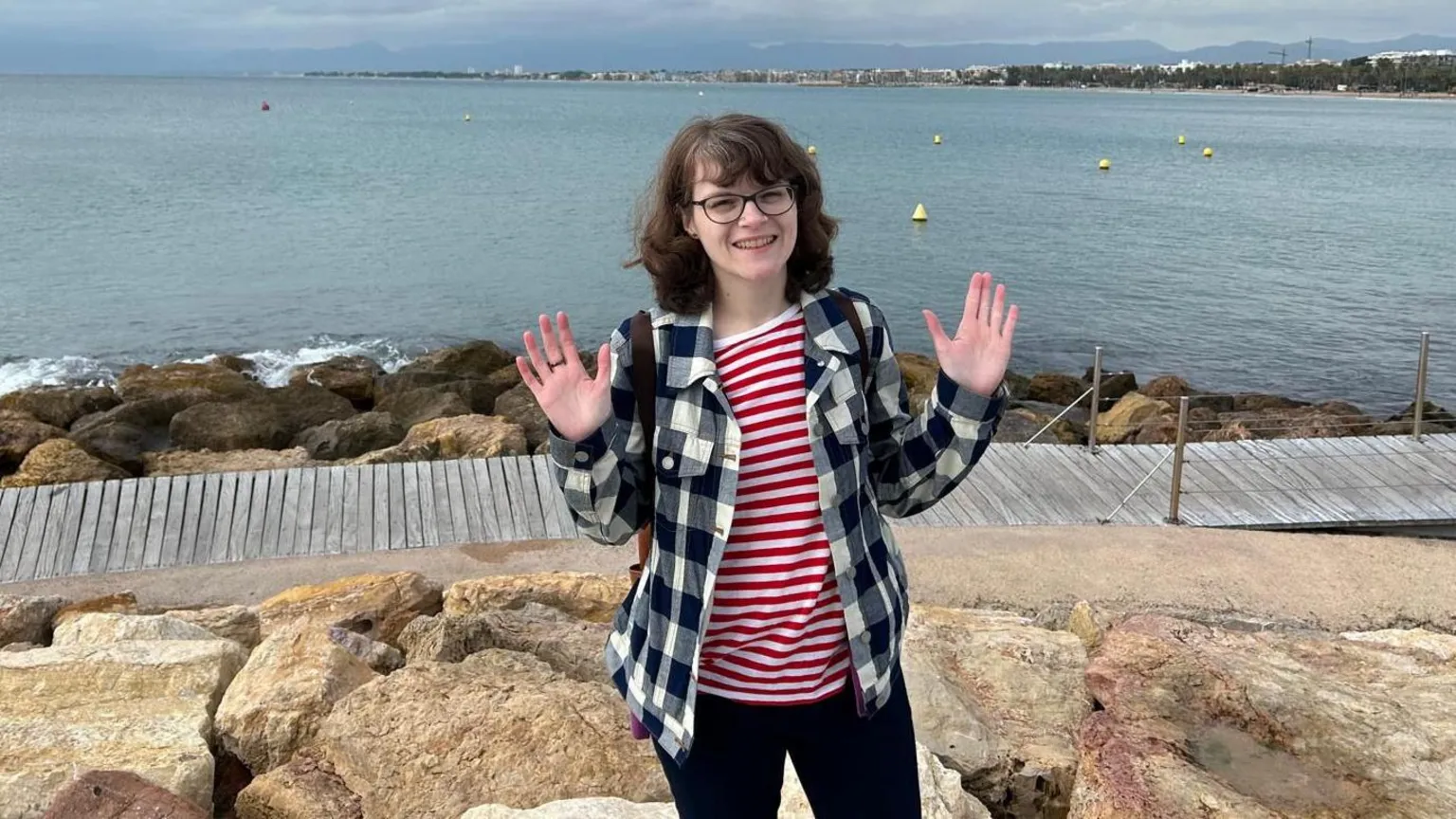
When Louise Wallace began experiencing stomach pains in 2020, she initially dismissed them as indigestion. The 34-year-old from Lanarkshire believed it was a stomach bug even after the pain persisted for several weeks.
Her doctor recommended blood tests, and within 24 hours of the tests being conducted, Louise was called back for further scans. The diagnosis revealed she had cholangiocarcinoma, an aggressive form of primary liver cancer.
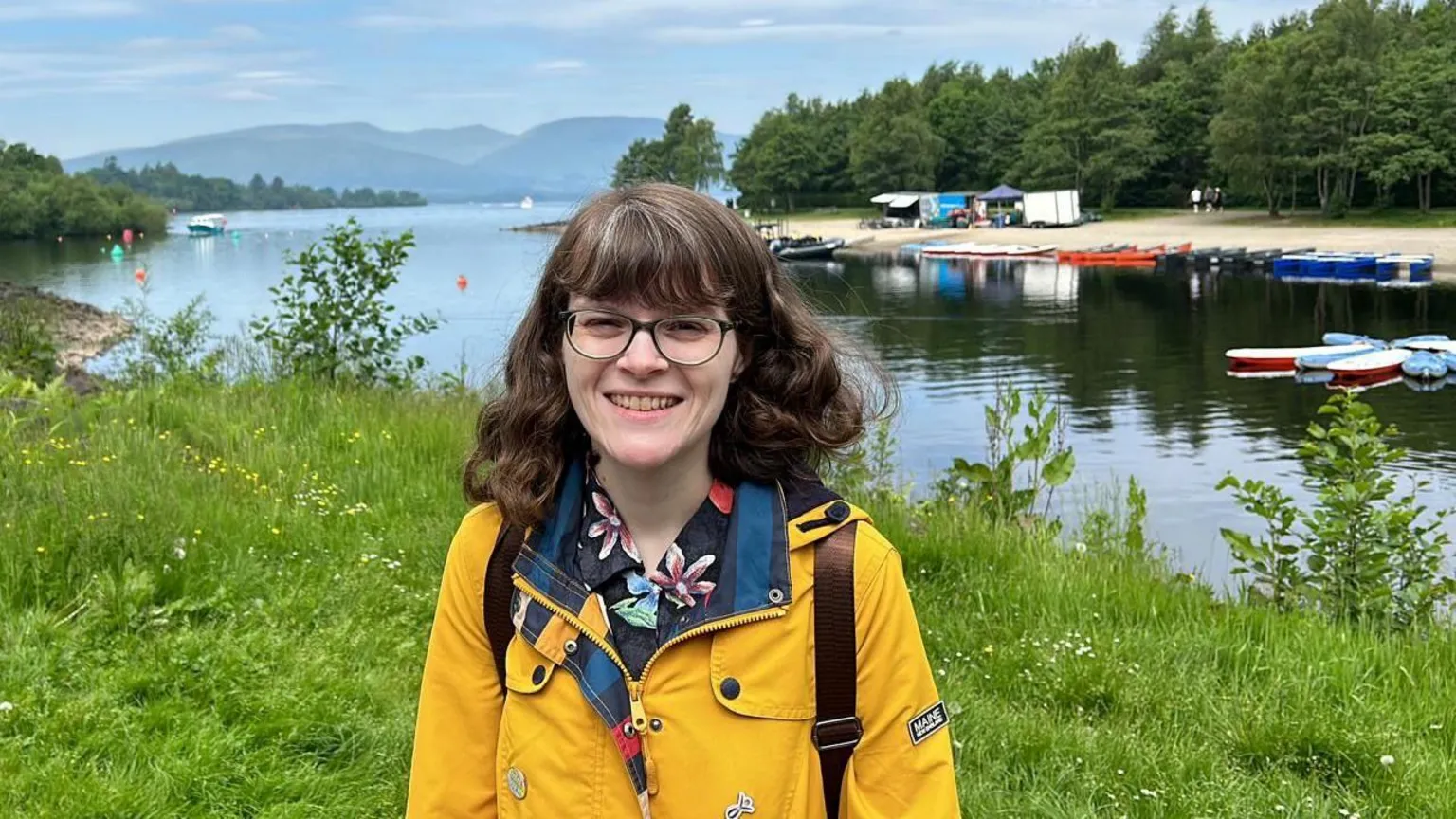
Now cancer free, Louise is advocating for increased awareness of this disease, which often presents symptoms that can be mistaken for minor ailments.
Raising Awareness at Holyrood
Louise plans to meet with Members of the Scottish Parliament (MSPs) at Holyrood to mark World Cholangiocarcinoma Day. She shared with BBC Scotland News how quickly her diagnosis unfolded, describing the experience as terrifying.
"It was terrifying how quickly it was all happening.
Early on I did what you're not supposed to, and looked up the symptoms online.
You're reading survival rates and they're very poor. It was during Covid when this happened, so I was in hospital with no visitors too.
I'm just lucky that it's looking good now and hasn't come back since surgery."
Rising Incidence in Scotland
Data from the Scottish Cancer Registry shows a 62% increase in cholangiocarcinoma cases in Scotland over 22 years, from 2001 to 2023. The cause of this rise remains unknown.
Louise’s Experience and Medical History
Louise was unaware of cholangiocarcinoma until her diagnosis, which came after her partner Fraser encouraged her to seek medical advice for ongoing stomach issues.

"It started as really bad indigestion but I wasn't too concerned," she recalled.
"I have had ulcerative colitis since I was a teenager, and thought maybe it was flaring up again.
It lasted for three weeks though, and was starting to make me feel sick."
Initially, her doctor suspected a stomach bug and ordered blood tests. The following day, Louise was informed that her liver function tests were elevated, prompting a CT scan.
"The very next day they phoned to see my liver function tests were quite high and they wanted to do a CT scan.
I was starting to feel tired and I had itchy skin a lot by this time.
The scans showed a blockage with my bile duct and at that point they told me it was suspected cholangiocarcinoma."
Screening and Testing Advances
Currently, there is no NHS screening program for cholangiocarcinoma; however, genomic testing is being introduced across Scotland this month to aid in detection.
Due to the rarity of the disease, mortality data is limited compared to more common cancers. The charity AMMF describes survival rates as "dismally low."
Treatment and Importance of Early Detection
Louise underwent successful surgery to remove the tumor. She credits her doctor’s insistence on blood testing and her pre-existing conditions—ulcerative colitis and primary sclerosing cholangitis (PSC)—for the early detection.
"It's something that can start off so mild," she said.
"You think you can brush it off and you're just a little sick, but if people are more aware of the symptoms then they can be diagnosed quicker and maybe save lives.
Having underlying health problems maybe helped me, as I would be getting checked anyway.
If I'd maybe gone in with no history of problems then they might have just thought it was just a stomach bug and given me antibiotics."
Cholangiocarcinoma: A Growing Concern
Paul Howard, head of policy and research at AMMF, emphasizes the importance of recognizing cholangiocarcinoma as a rising health issue.
"It's a primary liver cancer but it doesn't typically present itself in people with chronic liver disease, so there is not a defined at risk population.
We are seeing an increasing amount of young people being diagnosed with this, and awareness is very important - we need to be able to diagnose this cancer earlier.
It presents very few symptoms in the early stages and those can be vague."
Life After Diagnosis
Louise has returned to her normal life, working in administration and enjoying hobbies such as crochet.
Despite her recovery, she remains concerned about the possibility of recurrence.
"It can be quite isolating," she reflected.
I'd go to support groups for cancer survivors and it was quite rare to meet anyone who would had the same symptoms and even now, if I start itching, I get anxiety in the back of my head that it's coming back.
But it has been so long now and it hadn't returned.
I know I'm incredibly lucky that my doctor wanted me to be tested. It shows that if you catch it early enough then there is hope."