

Charlotte's Struggle with Body Dysmorphic Disorder
Many individuals experience dissatisfaction with their appearance, but for Charlotte, this feeling escalated into an intense hatred that dominated her life from her early teens.
"I'd wake up at 5.30am to put my makeup on even though the school bus wasn't until 8.30am,"
she recalls.
"I'd be compulsively applying it, taking it off, reapplying it, taking it off again - trying to get it as symmetrical and perfect as possible."
Charlotte's condition led her to isolate herself socially, to the point where she only attended college to sit exams and avoided events such as prom because she could not bear having her photo taken. Eventually, she was diagnosed with Body Dysmorphic Disorder (BDD).
BDD is often confused with general body dissatisfaction expressed on social media, but it is a clinical condition where anxiety about appearance significantly disrupts daily life, explains Viren Swami, professor of social psychology at Anglia Ruskin University.
"It is an obsession with some aspect of your appearance which other people see as normal but to the person experiencing it can feel completely wrong,"
Swami told the BBC's Complex podcast.
Symptoms of BDD include emotional distress, persistent rumination, and an inability to control thoughts about perceived flaws. Repetitive behaviors such as mirror checking or frequently touching the perceived flawed area are also common.
"Their entire world narrows down around this aspect of their body and everything else kind of fades away,"
he added.
While body dissatisfaction is more common among women, BDD affects all genders without a clear divide, Swami noted.
Charlotte received therapy through her local mental health service and was later admitted to an anxiety disorder residential unit in London. During inpatient treatment, she engaged in occupational therapy activities such as art, pottery, and songwriting, which helped her reconnect with music.
"It helped me channel my perfectionism, taking it out of the dark and into the light and dissipating that shame,"
she said.
After discharge, Charlotte began sharing her experience online to support others facing similar challenges.
Swami advises individuals who suspect they may have BDD to seek help initially from their general practitioner. He also emphasizes the importance of patience and empathy when supporting someone with BDD, as they often seek reassurance frequently.

"Rather than shutting down these conversations and getting angry or frustrated about it, recognise BDD is a mental health condition that doesn't just go away on its own and without professional help it can often get worse."
'I wanted to apologise for how ugly I was' – Tilly's Experience
Tilly also developed BDD during her early teens.
"I felt like I wanted to apologise to the people who had walked past me for how ugly I was,"
she shared.
"I could never look in a public mirror."
She avoided tight-fitting clothes and found dressing for festivals and parties extremely difficult.
"It would trigger a negative spiral that I couldn't recover from in time for the event."
Initially, Tilly believed she was experiencing low self-esteem and depression, lacking the awareness to connect her various experiences to her appearance.
Her symptoms worsened when she attended university to study fashion design, as she compared herself to others in the industry, leading to dark and distressing thoughts about her appearance and feelings of unworthiness.
Although she had seen several therapists over the years, none specialized in body image until she began working with an NHS psychotherapist who diagnosed her with BDD.
Tilly joined a support group with the BDD Foundation and worked with a private therapist to alleviate her symptoms.
"This could mean people are able to ask for the right help with more confidence,"
she advised, recommending that those experiencing symptoms research the condition before consulting a doctor.
Currently, Tilly has greater control over her thoughts.
"If I'm looking in the mirror trying to get ready and I don't like what I see, if I even feel that sense of panic coming over me, I can just put a stop to it straight away,"
she explained.
"How I see myself, depending on those different days and moods, isn't how other people see me, they just see me as Tilly."
She described a profound shift in her mindset.
"I found this joy in my life again, and for the first time since childhood I felt love towards myself."
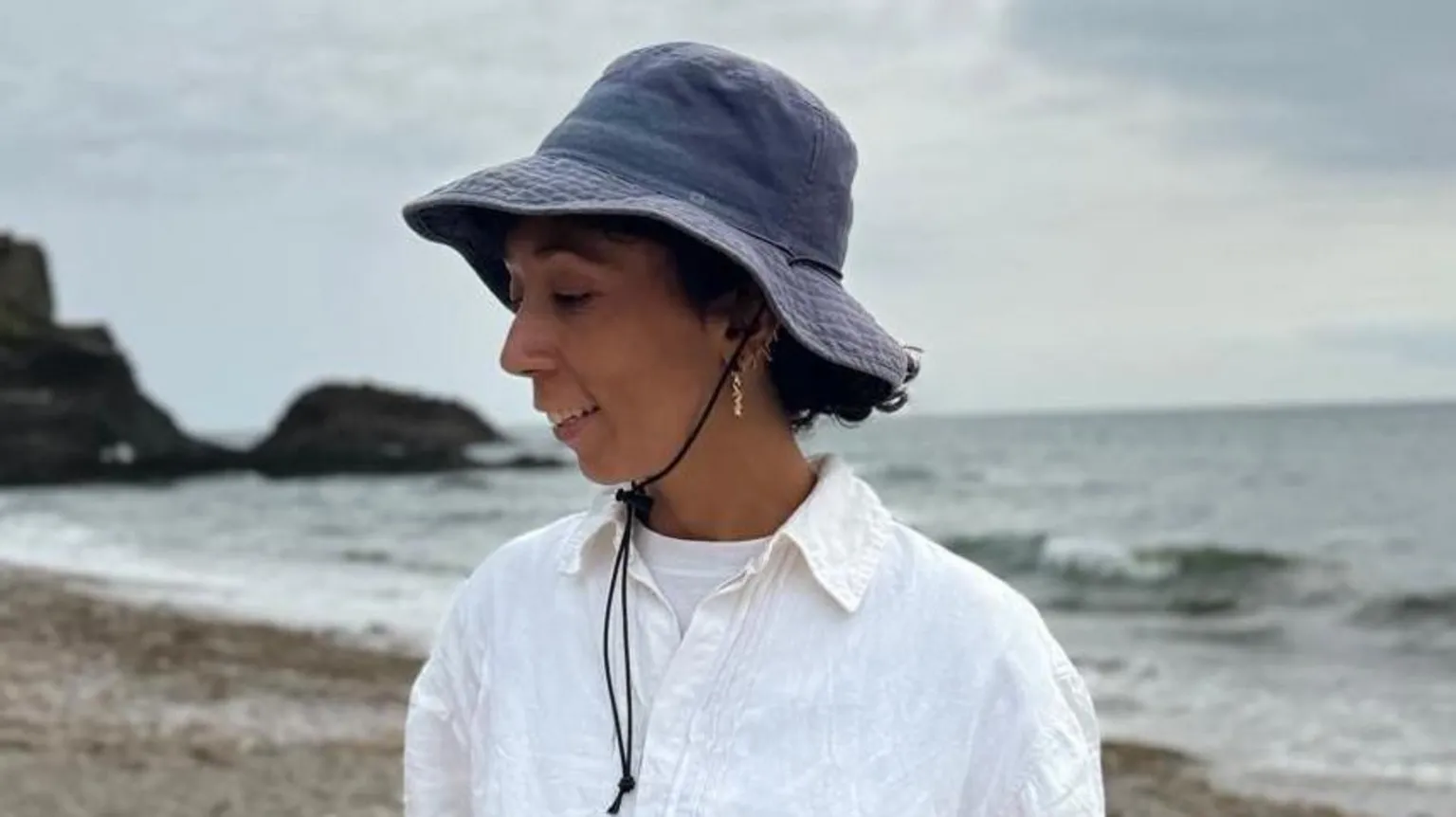
Messages of Hope and Recovery
Charlotte emphasizes that recovery is possible.
"There is hope out there, you can recover,"
she said.
"I feel so fulfilled and so happy and so peaceful and I really do love my life now and I never thought I would get here."
If you or someone you know has been affected by the issues discussed in this story, please visit BBC Action Line for information on organizations that can provide support.


