

Early Signs and Diagnosis
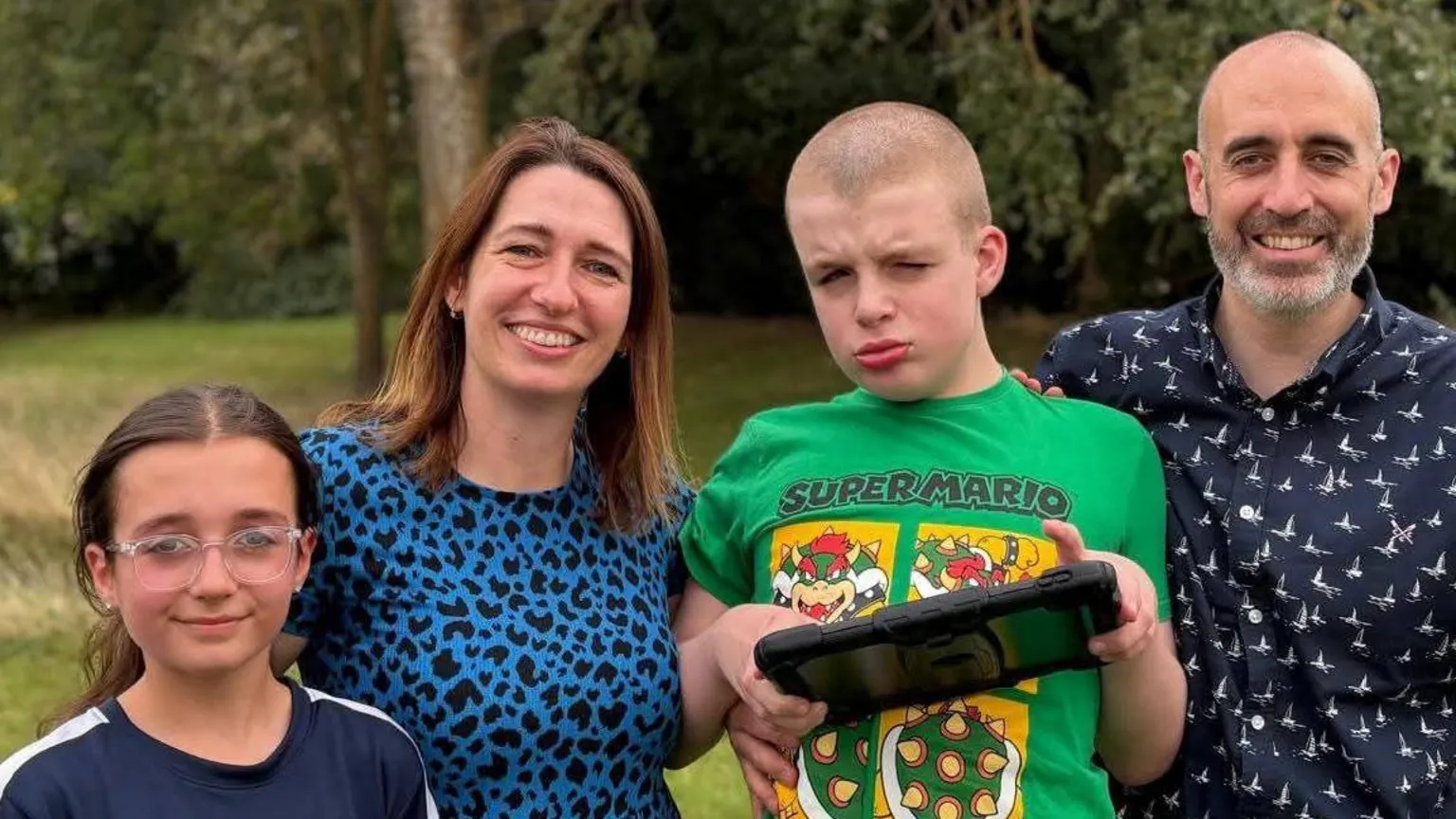
Ten years ago, Sarah Saul observed that her son William was not meeting typical developmental milestones for his age.
Just before turning four, William was diagnosed with autism. However, as years passed, the Ipswich family noticed his speech began to fade and his behaviour became increasingly challenging to manage.
In 2022, medical professionals informed Sarah and her husband Gareth that William had MPS III A Sanfilippo syndrome, a rare and life-limiting condition. Between 2010 and 2020, only 83 babies in the UK were born with this disorder.
Fourteen-year-old William has since lost his ability to speak, is experiencing a form of childhood dementia, and will eventually lose his mobility. His parents are currently raising funds to modify their home to accommodate his needs, aiming to prevent him from entering care and to keep the family together.
When the Sauls welcomed their daughter approximately two years and eight months after William’s birth, they began to notice developmental difficulties in their son.
Sarah, aged 45, recalls that although doctors initially reassured them William was fine and would catch up with peers, she suspected autism.
Receiving the autism diagnosis was still "quite a shock" but also "a bit of a relief".
Progression of Symptoms and Further Diagnosis
As William grew, he experienced sleep difficulties, a decline in verbal communication, and behavioural changes, according to Sarah.
Suspecting an additional underlying condition, the family consulted doctors again, who recommended a genome sequencing test to identify any hidden disabilities.
"It took a very long time for the results to come back and we got a phone call saying, your child has got this condition... I got off the phone and I didn't even understand the words that this very lovely lady was saying to me.
"I had a quick Google and researched, and just balled my eyes out."
The MPS Society states that MPS III A Sanfilippo is life-limiting and currently has no cure.
Sarah describes the diagnosis as "daunting and overwhelming," but says the family strives to "carry on."
"I did not for one moment think it would be something that was life limiting.
That's not something that entered my head because he's so happy, healthy, he's very energetic, very jumpy."
William’s Personality and Family Life
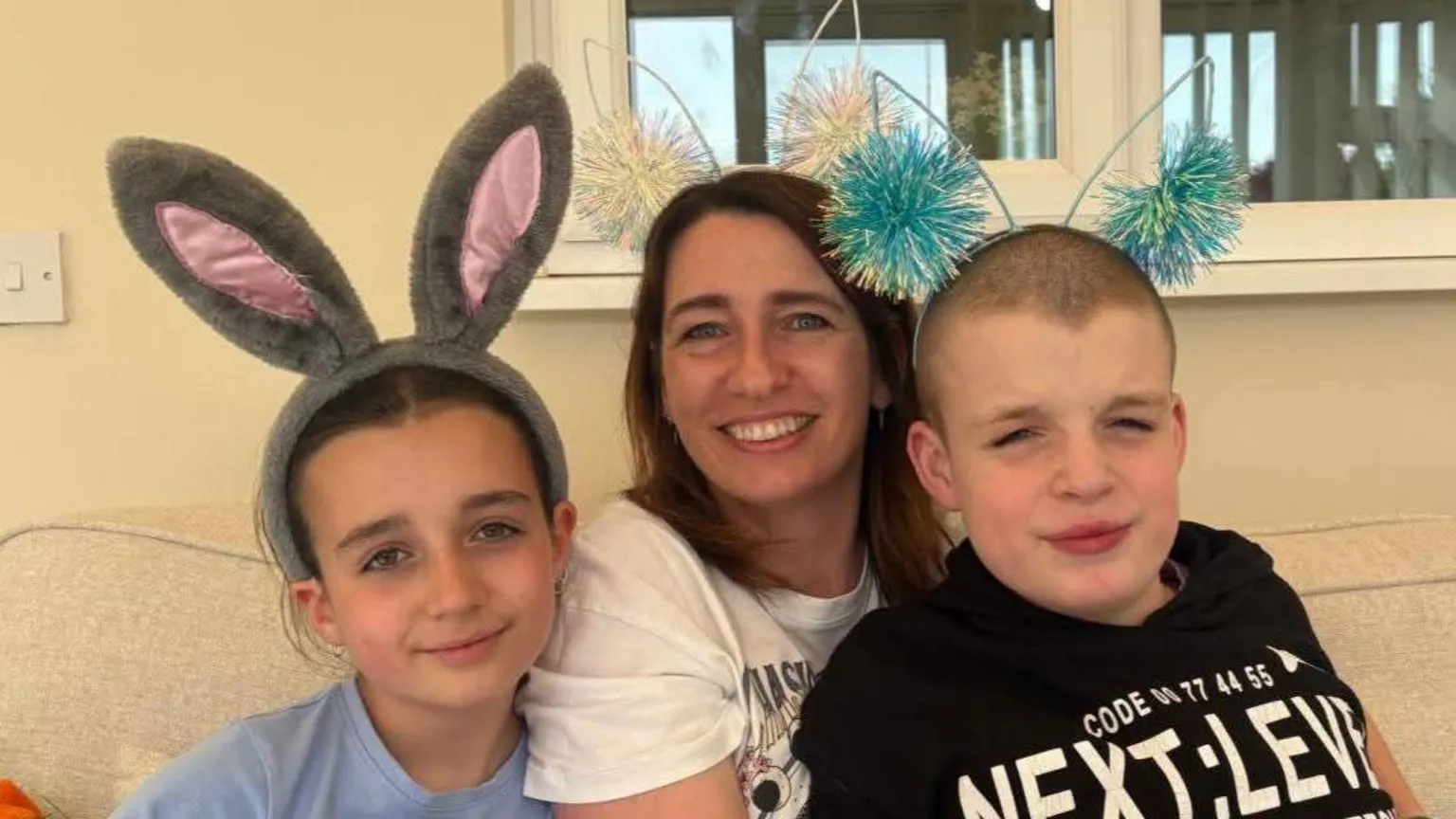
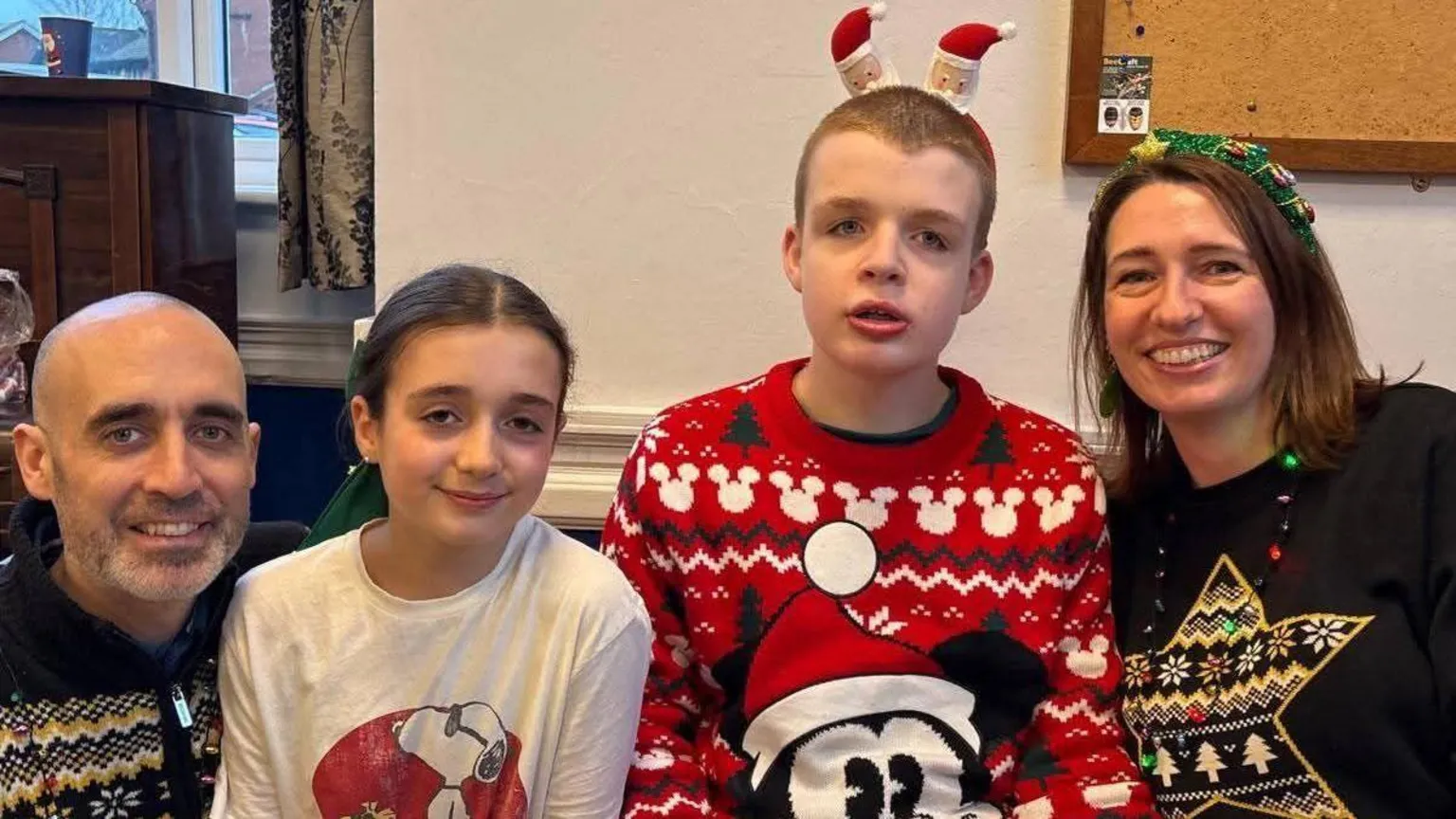
Sarah portrays William as having the "loveliest smile," a "cheeky laugh," and being an excellent older brother to their daughter Amelia.

"He is really happy. If anyone comes to the house, he likes to get them to come and sit with him on the sofa, then he'll pop his leg over the top of them.
He's really good at puzzle, he's a phenomenal little puzzler."
Current Condition and Future Needs
William has now lost his speech and is living with childhood dementia.
As his condition advances, he will lose mobility and require a wheelchair.
Given his complex care needs, it may become necessary for William to live in a care facility. However, the family is committed to remaining together.
Sarah explains that William is familiar with his home environment, which could benefit his dementia, and the family has a strong support network nearby.
To enable William to continue living at home, the family needs to adapt their house by installing a lift, ramp, wider doors, and a wet room.
Although eligible for some grants, these do not cover all the costs. Consequently, they launched a fundraiser last month aiming to raise £60,000 for the necessary modifications.
"This is so that William can actually stay with us for the entirety of his life, which is what we want,"
"We don't want him going anywhere else."
Support from the MPS Society
Bethanie Pentecost, head of support at the MPS Society, which assists families affected by rare genetic conditions, explains that children with these disorders often face complex and progressive physical, neurological, and behavioural challenges. This necessitates home adaptations to meet evolving and specialised needs.
"We regularly see families facing significant emotional and financial pressure as they try to secure the support required.
Although statutory funding routes exist, the reality is that systems can move too slowly and frequently do not cover the full cost of essential adaptations. Families are therefore often left navigating complicated processes while also trying to raise large sums of money themselves to ensure their child's needs are met safely and appropriately.
For parents already managing the daily realities of a life-limiting condition, these additional challenges can be overwhelming. Timely, adequate support is crucial to reduce stress on families and to ensure children living with rare conditions can have the best possible quality of life," she says.
Community Response and Fundraising
The fundraiser has raised more than £5,000 so far, which Sarah describes as "overwhelming".
She notes that individuals and businesses unknown to the family have offered to organise their own fundraising events, and her niece held a school bake sale raising £130.
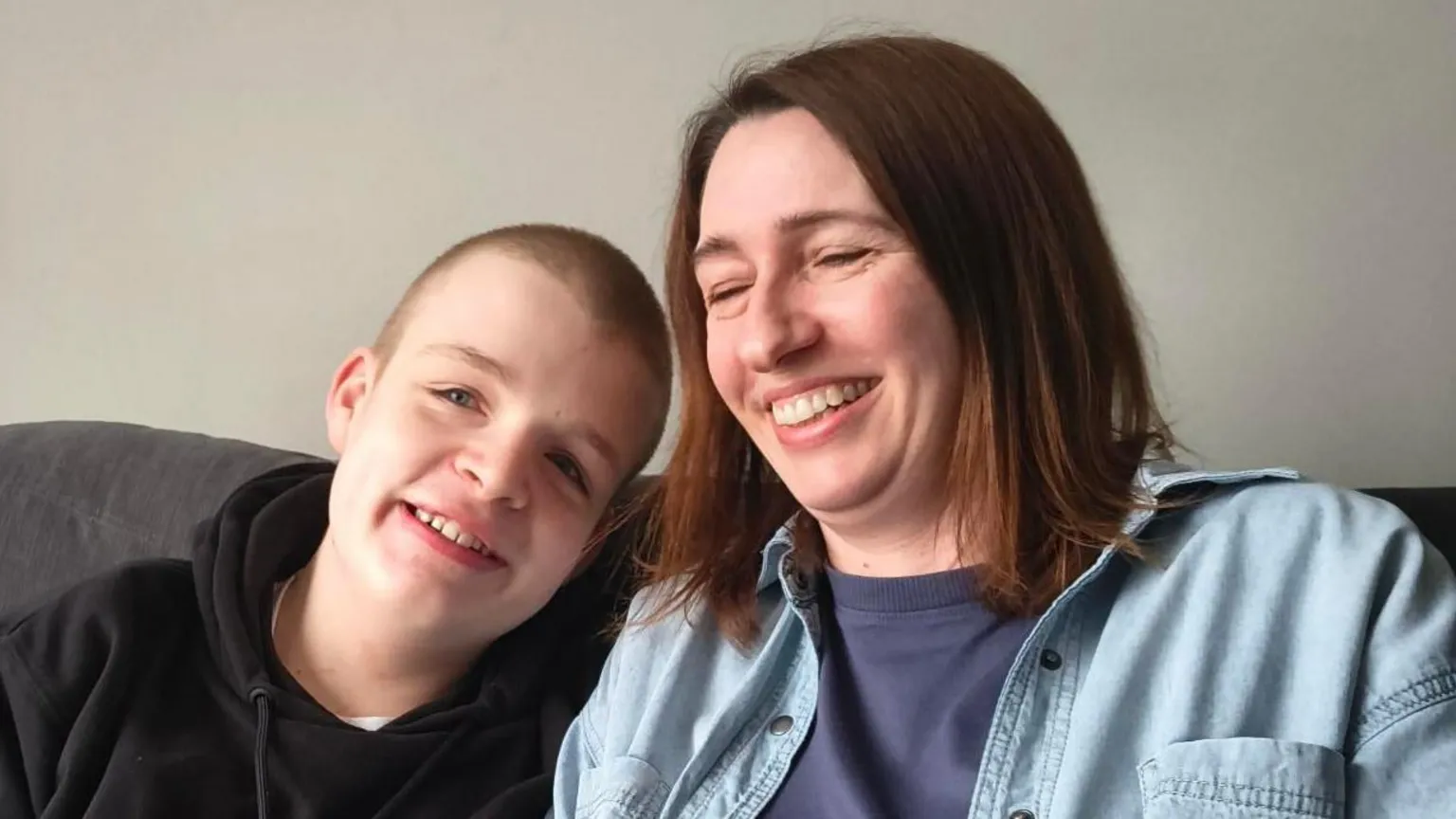
"It's been lovely, all the lovely messages we've received from people.
It's really heart warming. It melts my heart how kind everybody has been."
Follow Suffolk news on , Facebook, Instagram and X.


