

Woman with Severe Endometriosis Plans Urgent Egg Freezing
A woman who has undergone major surgery for severe endometriosis is planning to "urgently" freeze her eggs in the hope of starting a family in the future.
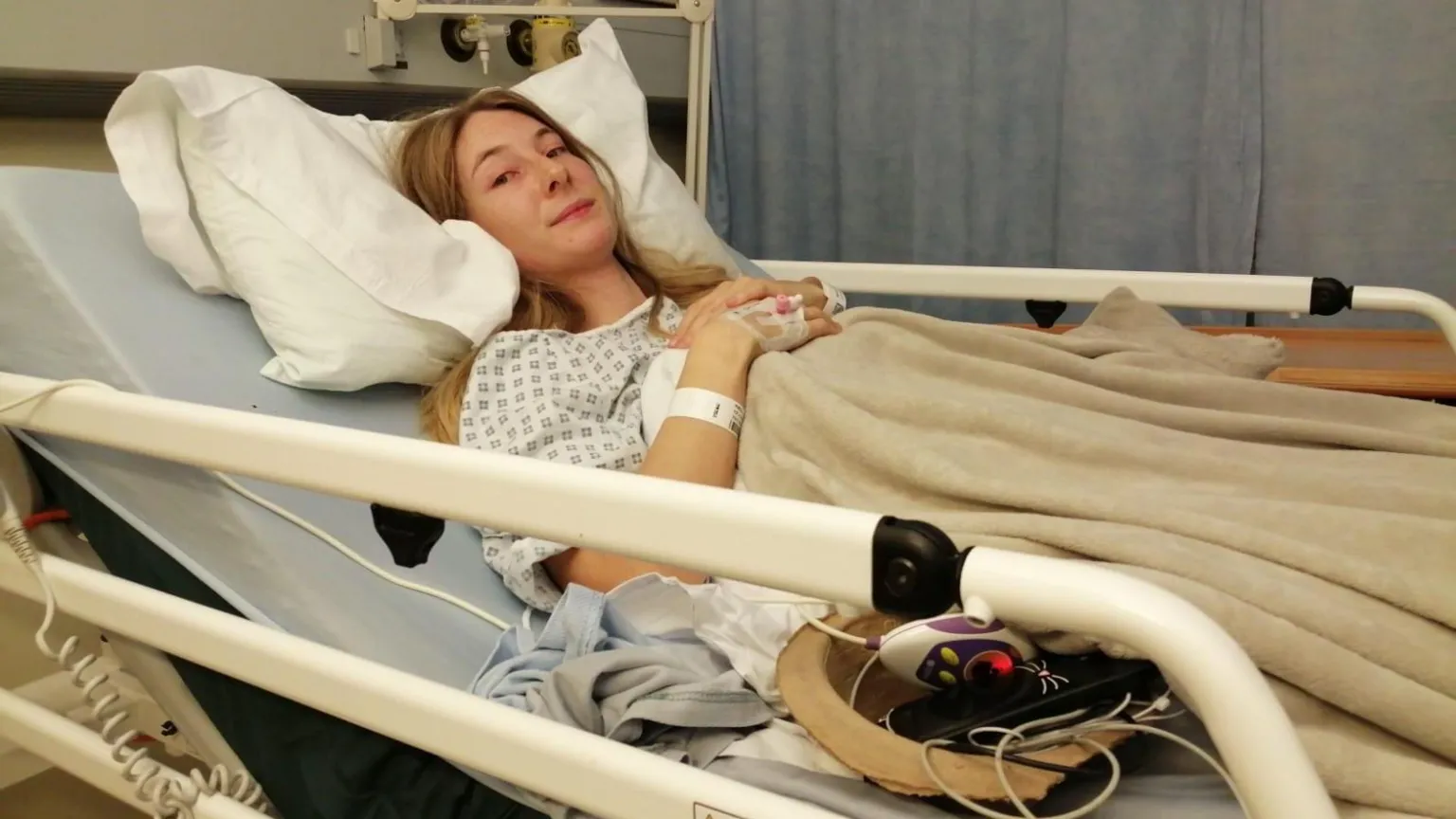
Iona Hall, 30, from Bristol, had two operations in 2024 to remove a 10cm cyst on her ovary and to separate her bowels and uterus, which had become fused together.
She has launched a crowdfunder to raise £21,000 needed for three rounds of egg harvesting, which she says must take place within the next four months to preserve her fertility due to a critically low egg reserve.
"It feels frightening, but the little eggs I do have left are good quality, so it's not over."
What is Endometriosis?
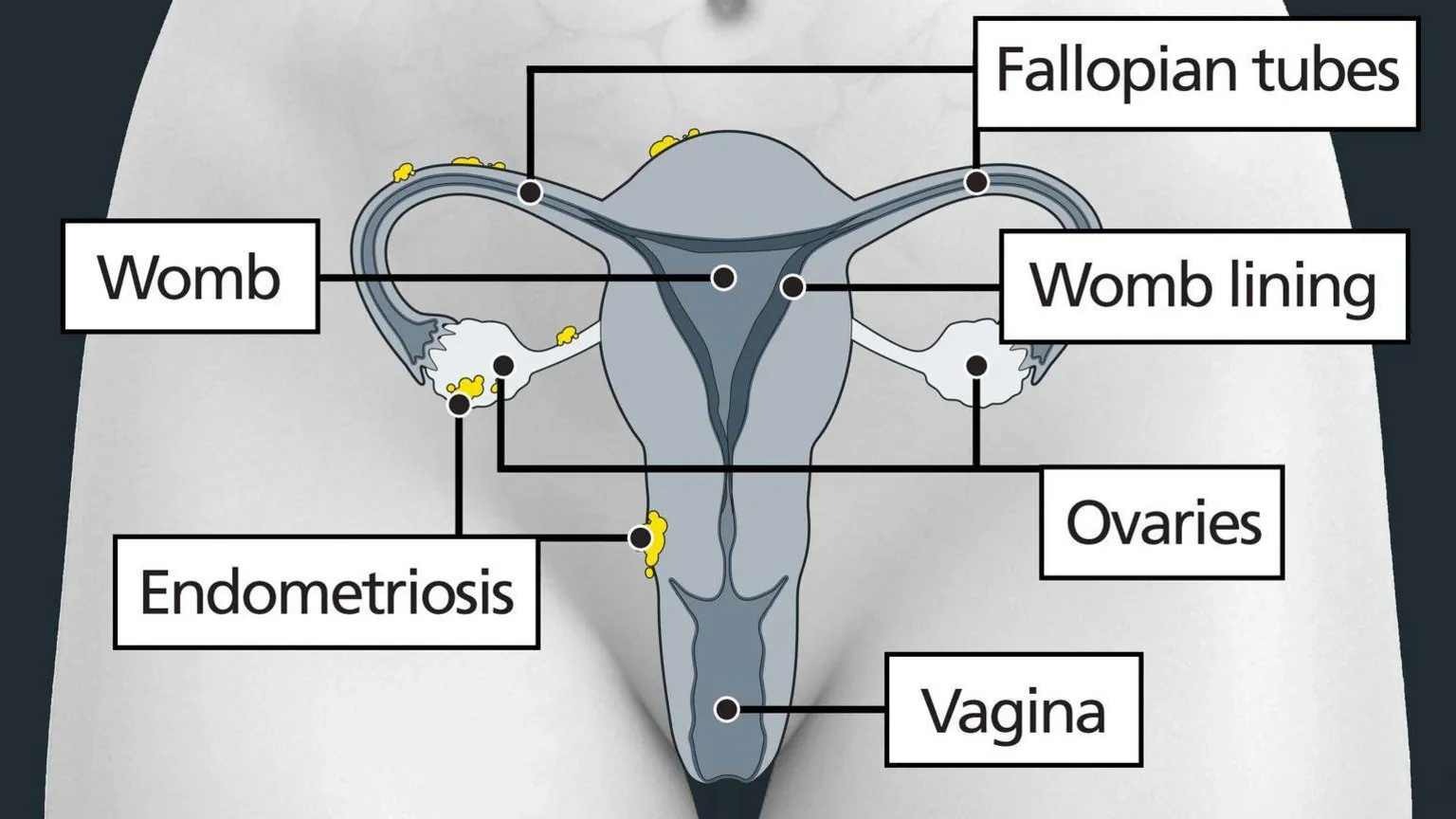
According to the NHS, endometriosis occurs when cells similar to those lining the uterus grow in other parts of the body.
It often affects the ovaries, fallopian tubes, and the tissue lining the pelvis.
Symptoms include severe abdominal pain, heavy periods, painful sex, and fatigue.
It is estimated that one in 10 women suffer from the condition, and on average, it takes over eight years from the first GP appointment to receive a diagnosis.

Hall's Experience with Endometriosis
Hall, a self-employed silversmith, first noticed symptoms after stopping the contraceptive pill, which she said had been "masking" the pain for 10 years.
"When I was in my teens and early twenties I just thought I was getting urinary and kidney infections all the time," she told BBC Radio Bristol.
"I just thought I was one of those unlucky girls. The pain just never went.
It got so bad I was waking up in the middle of the night, throwing up from the pain and writhing around on the floor."
Initially, doctors misdiagnosed Hall at age 24 with chronic urinary tract infections (UTIs) and prescribed her a year's worth of antibiotics.
By the time the correct diagnosis was made, "the endometriosis has spread everywhere," she said.
After two major surgeries, doctors informed Hall that her egg count had dropped to critically low levels.
Her anti-Mullerian Hormone (AMH) levels—a measure of egg reserve—were 11.9 before surgery but have since fallen to 2.1.
For comparison, the average AMH level for a 30-year-old is around 17, Hall said.
"I was really, really upset," she said.
"Freezing my eggs is my only chance to preserve my fertility and give myself the option of a family in the future.
Endometriosis has taken so much from my life, and I don't want it to take this from me too."
Hall's crowdfunder has raised more than £10,000 so far.
Follow BBC Bristol on Facebook, X, and Instagram. Send your story ideas to us via email or WhatsApp on 0800 313 4630.


