

Two Heart Transplants and a Family's Battle with Dilated Cardiomyopathy
A father who has undergone two life-saving heart transplants described the moment he learned his son has the same heart condition as "the worst day" of his life.
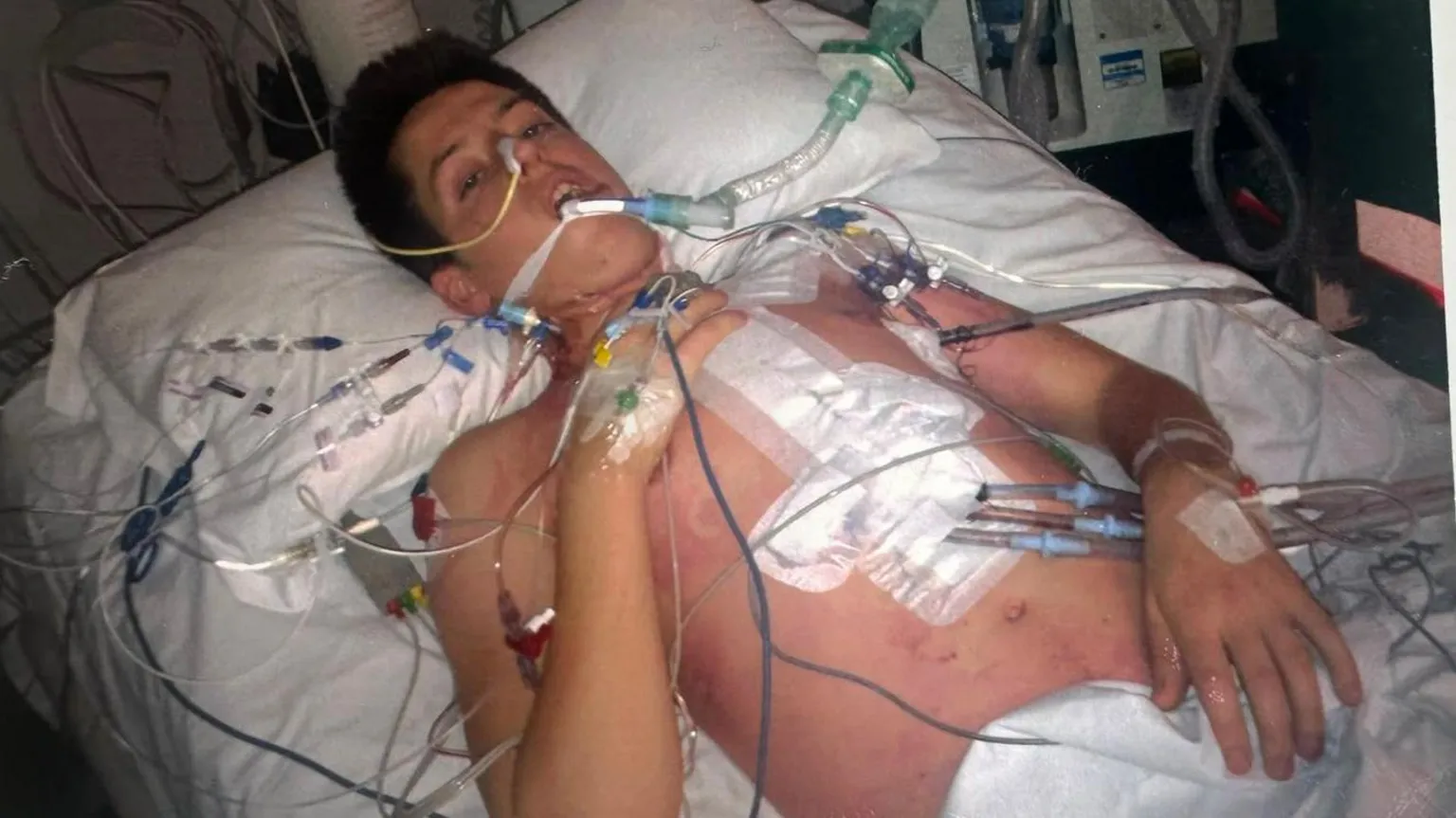
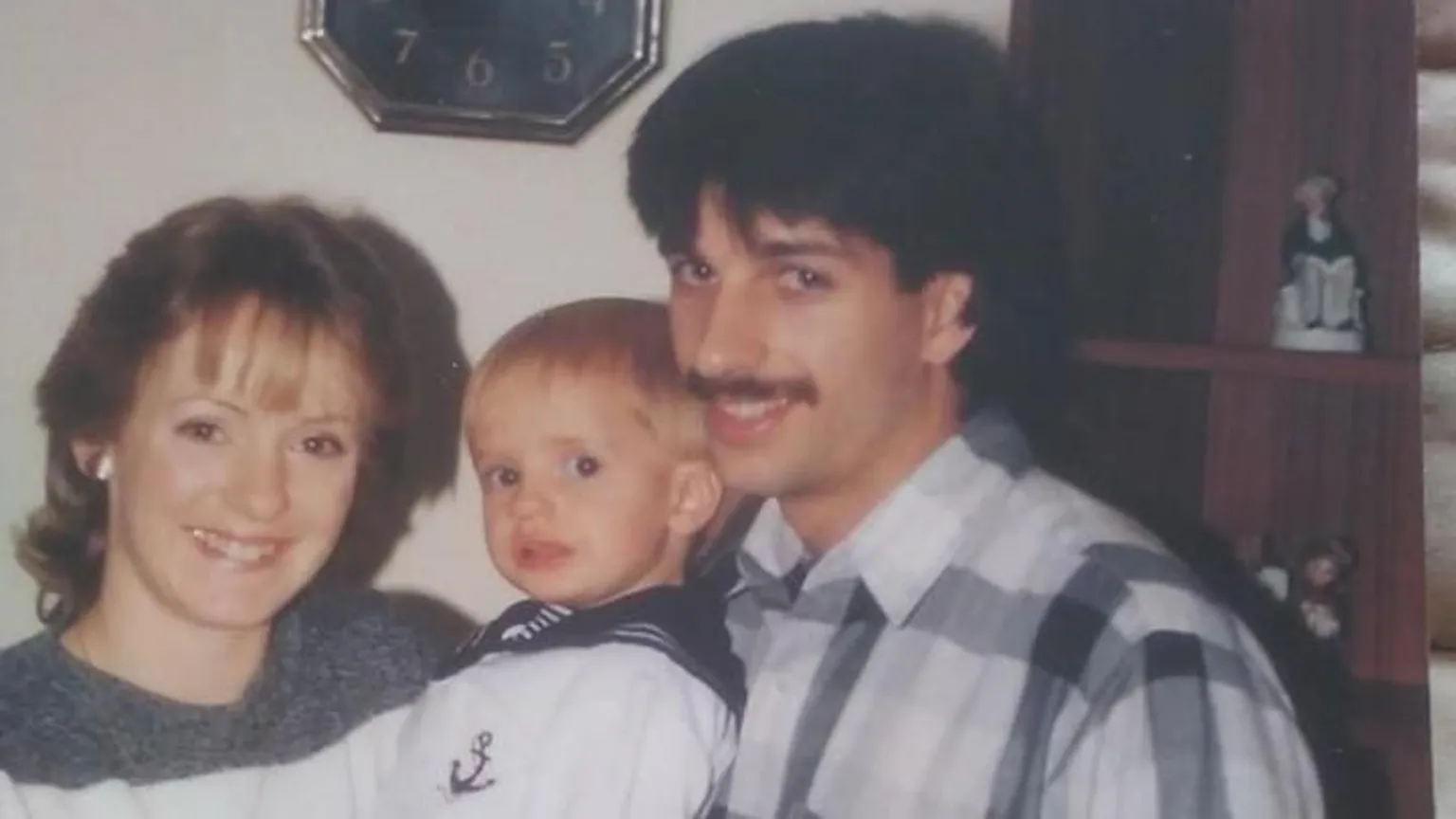
Rhys Llewellyn, 40, was diagnosed with dilated cardiomyopathy shortly after birth, following difficulties with breathing and weight gain. Doctors initially predicted he would not survive past his first birthday. Despite this, Rhys persevered and underwent heart transplants at ages 25 and 35.
Now a father, Rhys recounted the distressing news that his son, Albi Rhys, has inherited the same condition, which impairs the heart's ability to pump blood effectively.
Rhys had his second transplant shortly after Albi's first birthday. He recalled writing farewell notes to family members with important information as he traveled to the hospital, uncertain if he would survive the operation.
"Finding out that Albi has the same condition as I do was the worst day of my life,"
"I wanted nothing more for him to not have to go through what I have.
At the moment, he's doing really well, but there's a chance that he's going to end up needing a transplant, too, and that's a terrifying thought."
Rhys is from Aberdare, Rhondda Cynon Taf.
Early Life and Diagnosis
Despite a bleak prognosis, Rhys defied expectations through medication and regular medical monitoring. He experienced a relatively normal childhood, participating in rugby and football, completing his GCSEs, and entering the workforce.
However, in 2011, he began experiencing symptoms including weakness, fatigue, pallor, dizziness, headaches, and frequent chest infections. At 25, he was informed that a heart transplant would be necessary.
"This was a huge shock. I had grown up knowing that a transplant was the only 'solution' for my heart condition but as a family, we never spoke about it,"
"We didn't think it would really happen. I remember sobbing in my bed, thinking that this shouldn't be happening to a 25-year-old."
Rhys underwent his first heart transplant in October 2011. Five months later, arterial narrowing was detected, but he remained active, climbing Yr Wyddfa (Snowdon) just eight weeks after receiving three stents.
Understanding Dilated Cardiomyopathy
Dilated cardiomyopathy is characterized by the stretching and thinning of the heart muscle walls, which reduces the heart's ability to pump blood effectively, according to the NHS. This condition increases the risk of heart failure.

Several factors contribute to the development of dilated cardiomyopathy, including genetic mutations, heart valve problems, viral infections causing inflammation of the heart muscle, and unhealthy lifestyle choices.
It is estimated that approximately 260,000 people in the UK are affected, equating to one in every 250 individuals.
Life After First Transplant and Second Transplant Necessity
After meeting his fiancée Sarah, Rhys continued to live an active life. However, a routine check-up in December 2019 revealed that the arterial narrowing had worsened to a critical level, necessitating a second heart transplant.
He was placed on the transplant waiting list and welcomed his son Albi in November 2020.
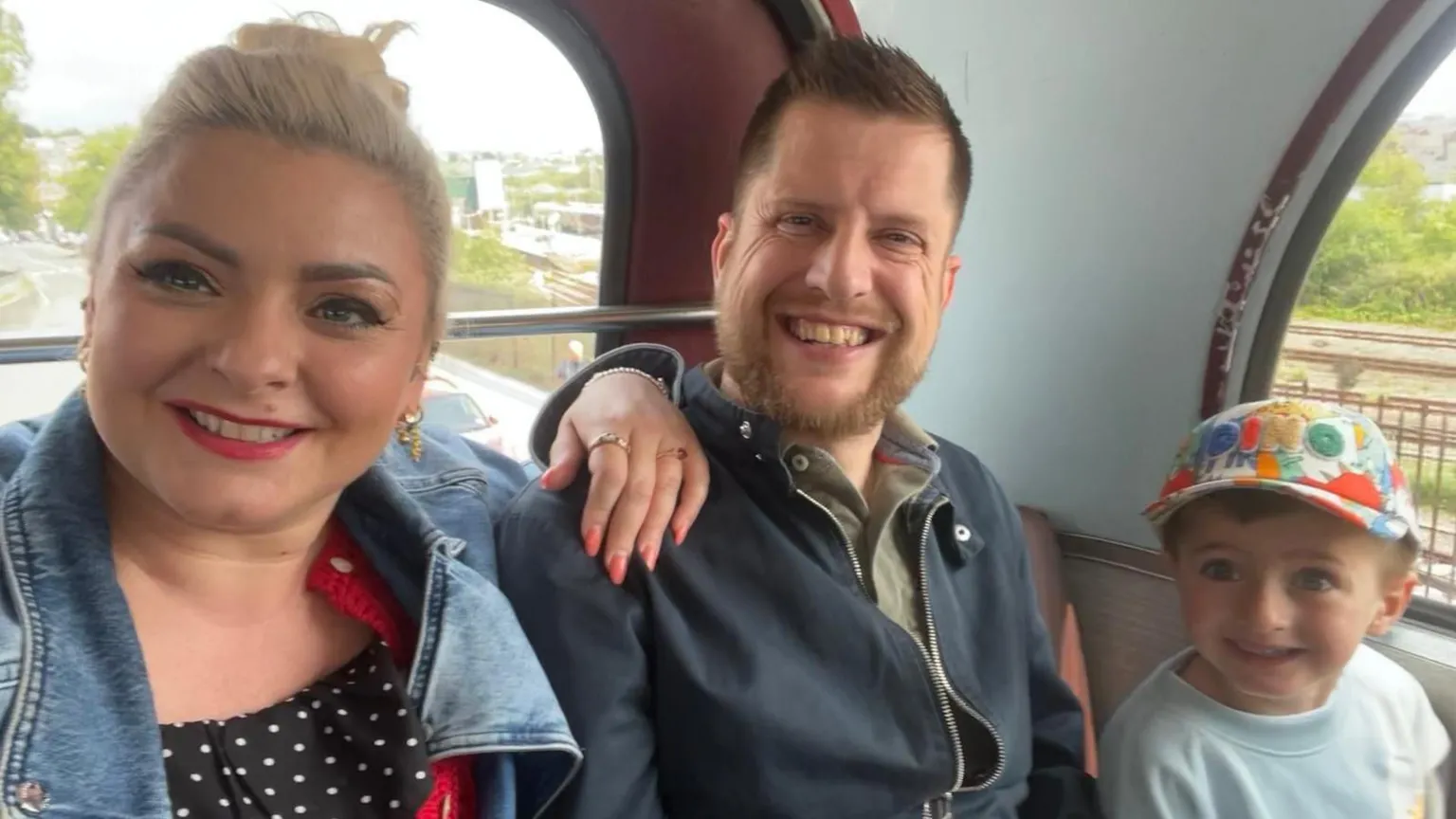
Shortly after Albi's first birthday, Rhys underwent the second transplant operation.
"As we drove to the transplant centre, I wrote notes and letters to family members, with information like passwords and funeral wishes, in case I didn't make it.
It was an anxious, emotional time and there were lots of tears from me.
It felt like there was more to lose this time, with having Albi."
Although the operation was successful, the new heart initially did not function optimally, and Rhys became seriously ill.
He spent nine weeks hospitalized during the Covid-19 pandemic, unable to see Albi for 47 days.
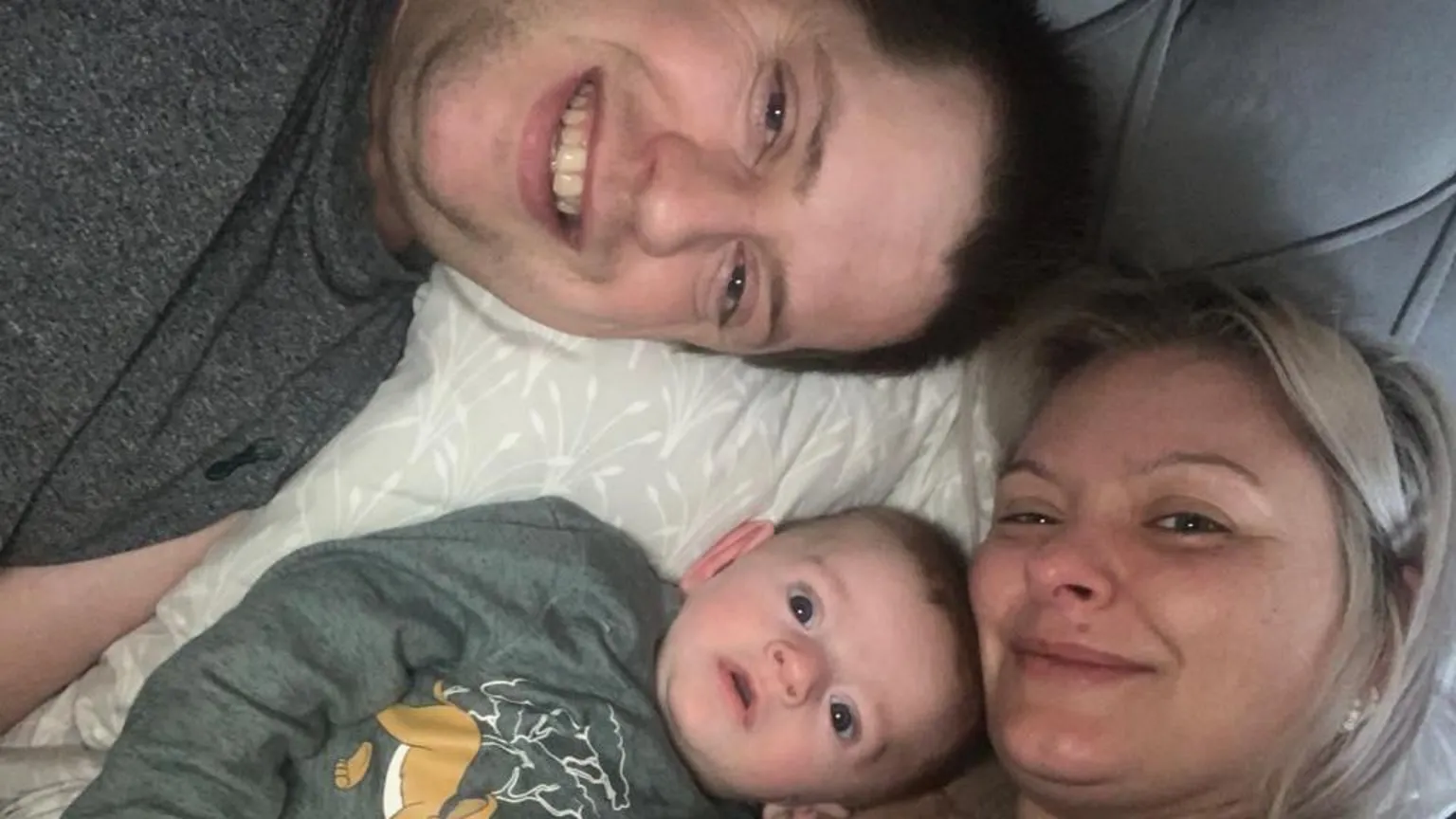
"The day I got to see him again was emotional, it felt like another step closer to normality,"
"I can now live a normal life and that is only thanks to the extreme generosity of two families, who made that brave and selfless decision to donate on one of the hardest days of their lives.
I'm extremely grateful. It's because of them that I've been able to have my son – and to continue to be a dad to him."
Concerns for the Future and Organ Donation Appeal
Albi is currently in good health, but Rhys fears that his son may eventually require a heart transplant as well, necessitating a wait for a suitable donor heart.
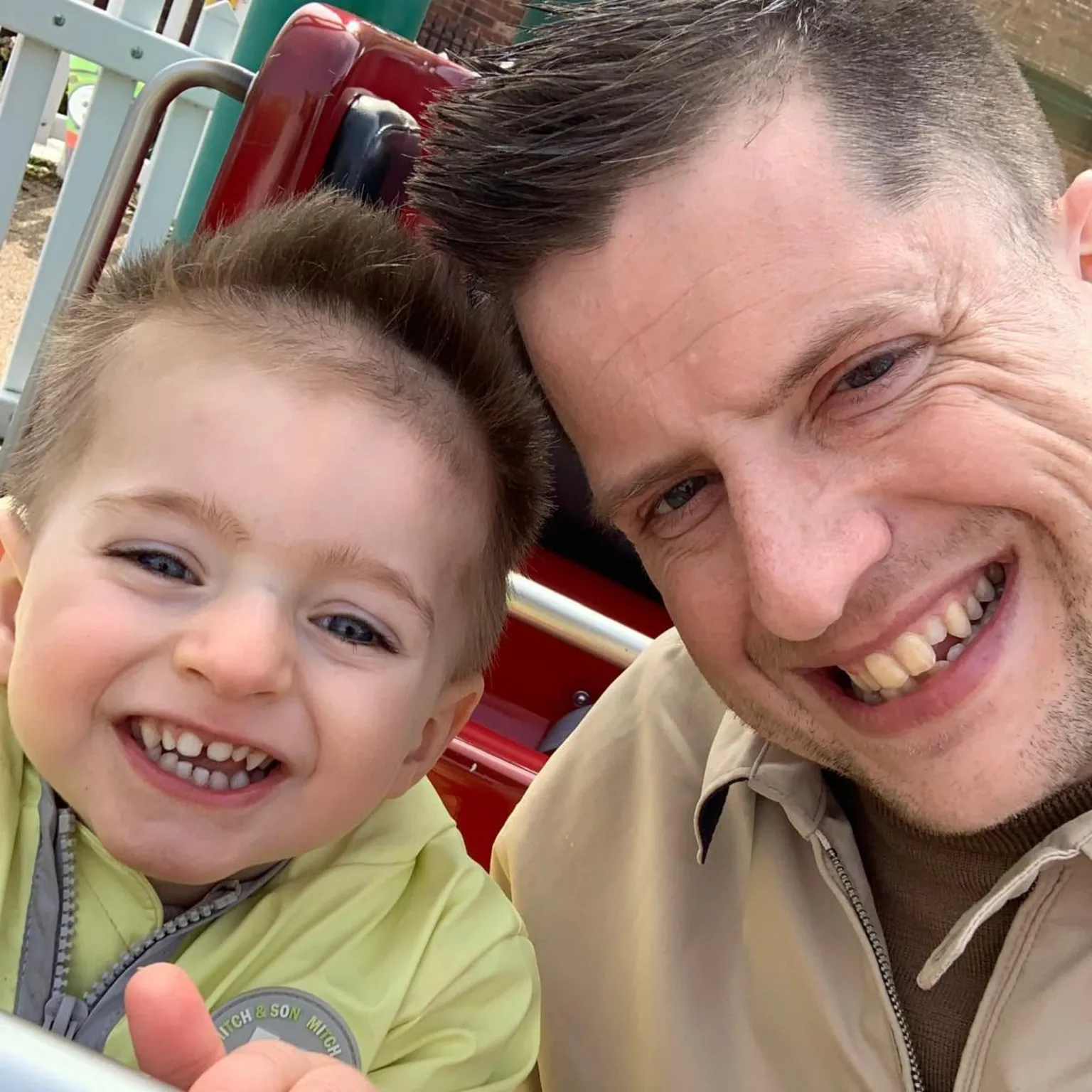
Rhys emphasized that increased registration for organ donation would be the "best Father's Day gift I could ask for" this coming Sunday.
All UK nations now operate an opt-out system for organ donation, where individuals are presumed to consent to donation unless they have recorded otherwise. Despite this, NHS organizations encourage people to register explicitly, as it provides legally binding consent and relieves families of decision-making burdens.
"Rhys' story really showcases the importance of organ donation and the difference it can make – not only have two extremely generous families saved Rhys' life, but they've allowed Rhys to have a son and be a father to him,"
said Anthony Clarkson, director of organ and tissue donation and transplantation at NHS Blood and Transplant.
"There is no more precious gift.
Sadly, not everybody will get this same chance – the transplant waiting list is at its highest ever level and we need more donors than ever before."


