Vaccine Saves Around 200 Lives in England
Analysis published in the Lancet reveals that approximately 200 lives have been saved in England due to a vaccine protecting against cervical cancer. This first-of-its-kind study demonstrated a sharp decline in deaths since the human papillomavirus (HPV) vaccine was offered to school-age girls starting in 2008.
Between 2020 and 2024, no cervical cancer deaths were recorded among women aged 20 to 24, marking the first five-year period with zero deaths in this age group. Without vaccination, around 23 deaths would have been expected.
"It's incredible to think that a single jab can almost eliminate a particular type of cancer," said Prof Peter Sasieni, lead researcher at Queen Mary University of London.
The study further found that children vaccinated at ages 12 or 13 now face nearly zero risk of dying from cervical cancer before age 30. Prior to the HPV vaccination campaign, about 20 deaths per year occurred in this demographic.
Overall, cervical cancer remains the 14th most common cancer among females in the UK, with 3,300 new diagnoses annually. HPV, a virus transmitted through close skin-to-skin contact, is believed to cause 99% of these cases. While most HPV infections clear without issue, some lead to abnormal cell changes that can develop into cancer years later.
The report's authors anticipate continued declines in cervical cancer deaths as vaccination rates increase and vaccinated cohorts age.
Cancer Research UK, which funded the research, hailed the findings as an "incredible milestone" but cautioned that vaccination rates in England remain below recommended levels.
"We know the HPV vaccine is extremely effective at stopping cervical cancer before it starts and for the first time these findings show it is saving lives," said Michelle Mitchell, chief executive of Cancer Research UK.
Personal Story: Advocacy for HPV Vaccination
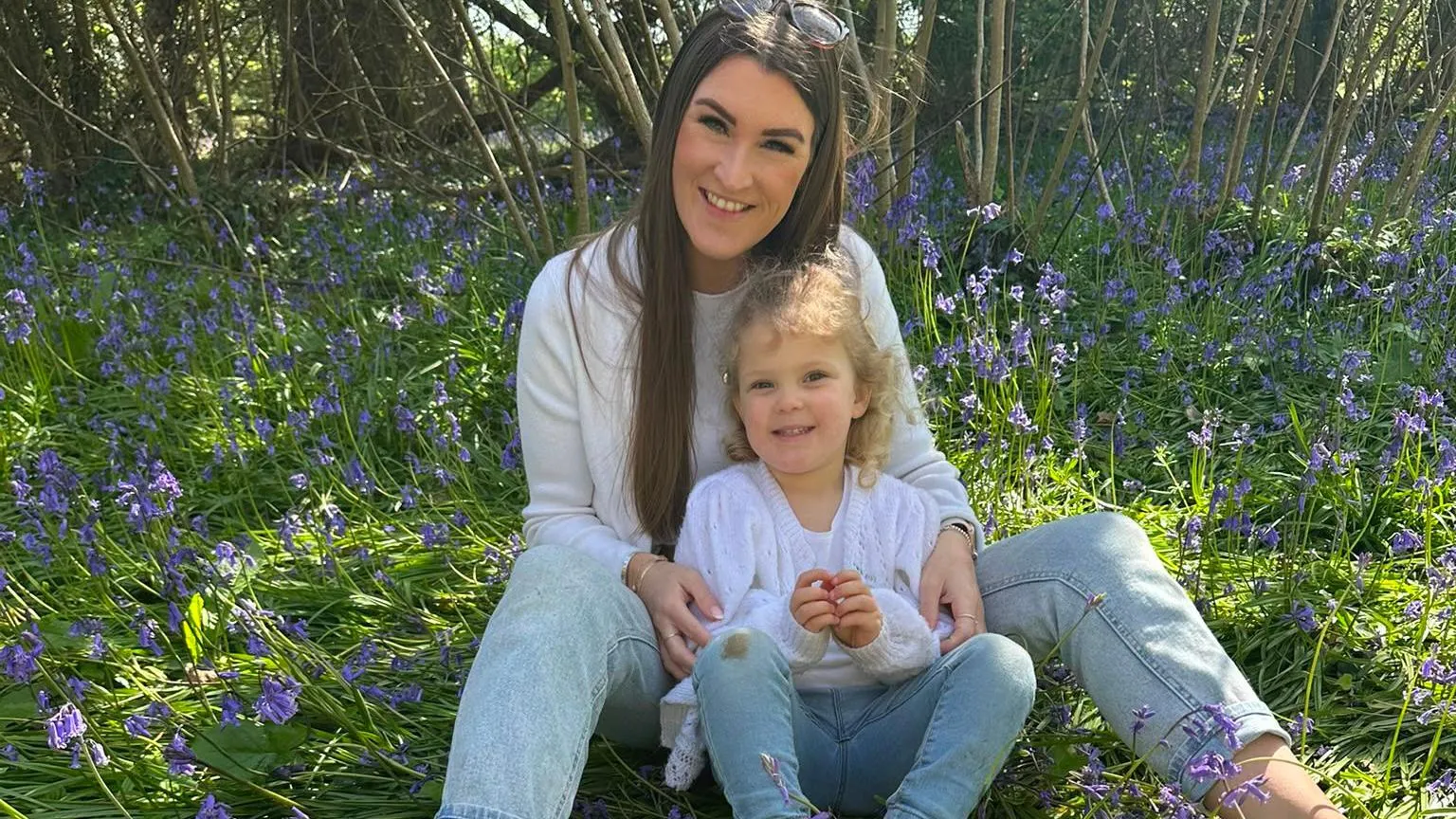
Alexandra Legg, who left school just before the HPV vaccine was introduced in England, was diagnosed with cervical cancer at age 30 in 2021, just as she was planning her wedding.
"I remember hearing the words and I just couldn't really breathe very well," she recalls. "I was so upset - everything went through my head, it was so hard."
Her treatment involved removal of lymph nodes in her abdomen, though surgeons preserved a small part of her cervix, allowing her the possibility of pregnancy. A year later, her daughter Ivy was born. Ivy’s middle name, Marvella, means "miracle."

"Those nine months were so scary because I was at such risk of losing her at any point," Alexandra said.
Alexandra believes her experience could have been less traumatic had she been offered the HPV vaccine and urges those eligible to receive it.
"I'm a real advocate for this vaccine and when Ivy is old enough, she'll be first in the queue," she added.
Reduction in Deaths Represents "Tip of the Iceberg"
Prof Peter Sasieni, a cancer epidemiologist at Queen Mary University of London, describes the reduction in cervical cancer deaths since the vaccine's introduction as the "tip of the iceberg."
"As vaccinated generations grow older, we'll see many more lives saved from cervical cancer," he said. "New research shows just how vital it is to keep HPV vaccination levels high so more people are protected."
The UK government has committed to eliminating cervical cancer as a public health problem by 2040. However, recent data indicates vaccination rates have fallen below recommended thresholds.
According to the UK Health Security Agency, 76% of girls in England were vaccinated by age 15 in 2024-25, which is below the 90% coverage the World Health Organization (WHO) states is necessary to eliminate cervical cancer.
"It's essential that the UK Government and health systems urgently address this with targeted action to reach communities where uptake is the lowest," said Michelle Mitchell of Cancer Research UK.
Despite the vaccine rollout, women aged 25 to 64 are still advised to attend cervical screening (previously known as smear tests).
Boys have also been offered the HPV vaccine since 2019, which protects them against anal, penile, throat, and mouth cancers, and reduces transmission risk to girls.
A Department of Health and Social Care spokesman in England stated the study highlights the "extraordinary impact of the HPV vaccination."
"We are boosting vaccine uptake so that more young people benefit from this life-saving protection - including rolling out catch-up HPV vaccination campaigns via community pharmacies," the spokesman said.
He added that HPV self-testing kits are being sent to women who have not yet participated in cervical screening.