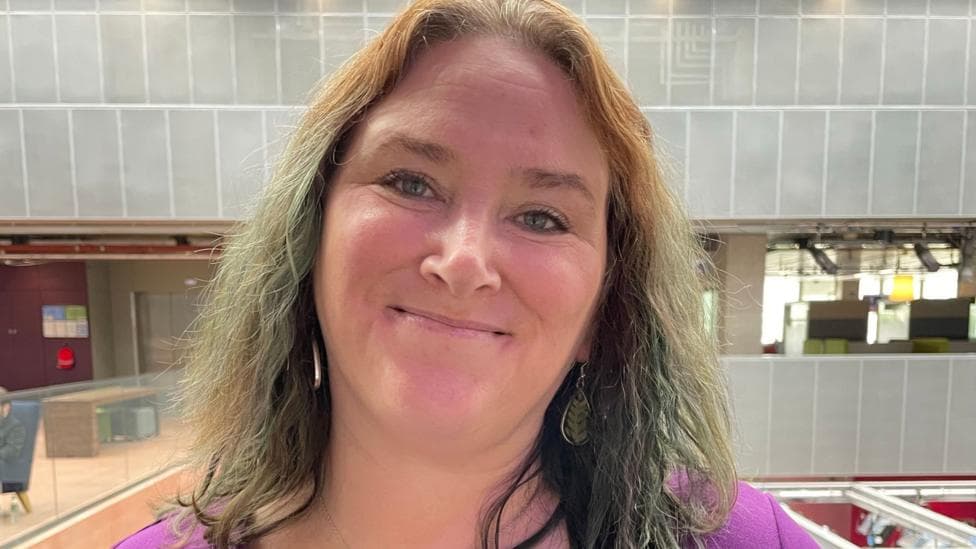
From Prison to Parliament: Charlie Herd's Story
A volunteer described the experience of speaking about her time in the prison system as "quite monumental," highlighting the journey from incarceration to addressing lawmakers.
Charlie Herd was sentenced to three-and-a-half years in prison in 2021 for drug offences. It was only after her release that she received an ADHD diagnosis.
Earlier this year, Herd spoke at the UK Parliament as part of the A Personal Sentence campaign. This initiative aims to raise awareness about the need for increased support for women with ADHD within the prison system.
The campaign advocates for enhanced screening procedures to diagnose women in prison, ensuring they receive appropriate support upon release to help lower the risk of reoffending.
Herd was invited to share her personal experience in front of politicians and decision-makers.
"There was so much chaos within my life... It's just having the understanding of what ADHD is so that you can work with it, rather than ADHD working against you."
She further emphasized the importance of education and support after release.

"I think it really is as simple as understanding yourself and having the right education and the right support so you're feeling like you're a part of something and you're not misunderstood and neglected once upon release.
We do see a lot of people end up reoffending because they're not getting that support or that understanding that they maybe need."
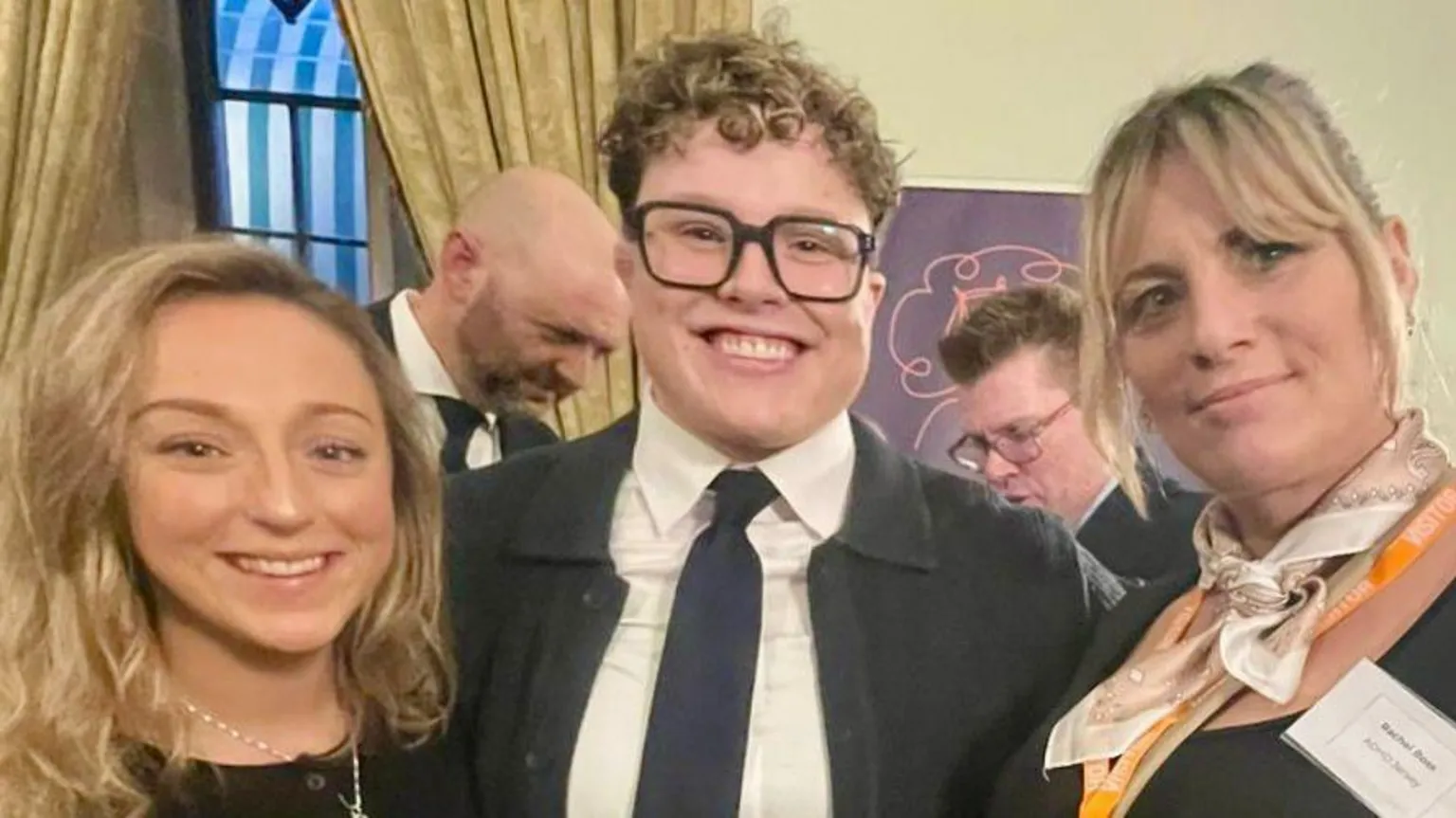
Advocacy and Expert Perspectives
Simon Meadowcroft, medical director at Takeda UK—the company supporting the campaign—highlighted the challenges faced by women with ADHD.
"Women with ADHD are much less likely to be diagnosed than men," he said, adding, "we see women in the criminal justice system as being really quite a neglected group of ADHD patients."
Meadowcroft also noted the inspiration behind collaborating with Herd.
"One of the reasons that we worked with Charlie is we'd seen her do work previously, which was really quite inspiring around advocacy for women with ADHD within the system."
The event also featured contributions from MP Tessa Munt and England rugby player and World Cup winner Hannah Botterman, who joined calls for improved support for women with ADHD in prisons.
Support Networks and Calls for Change
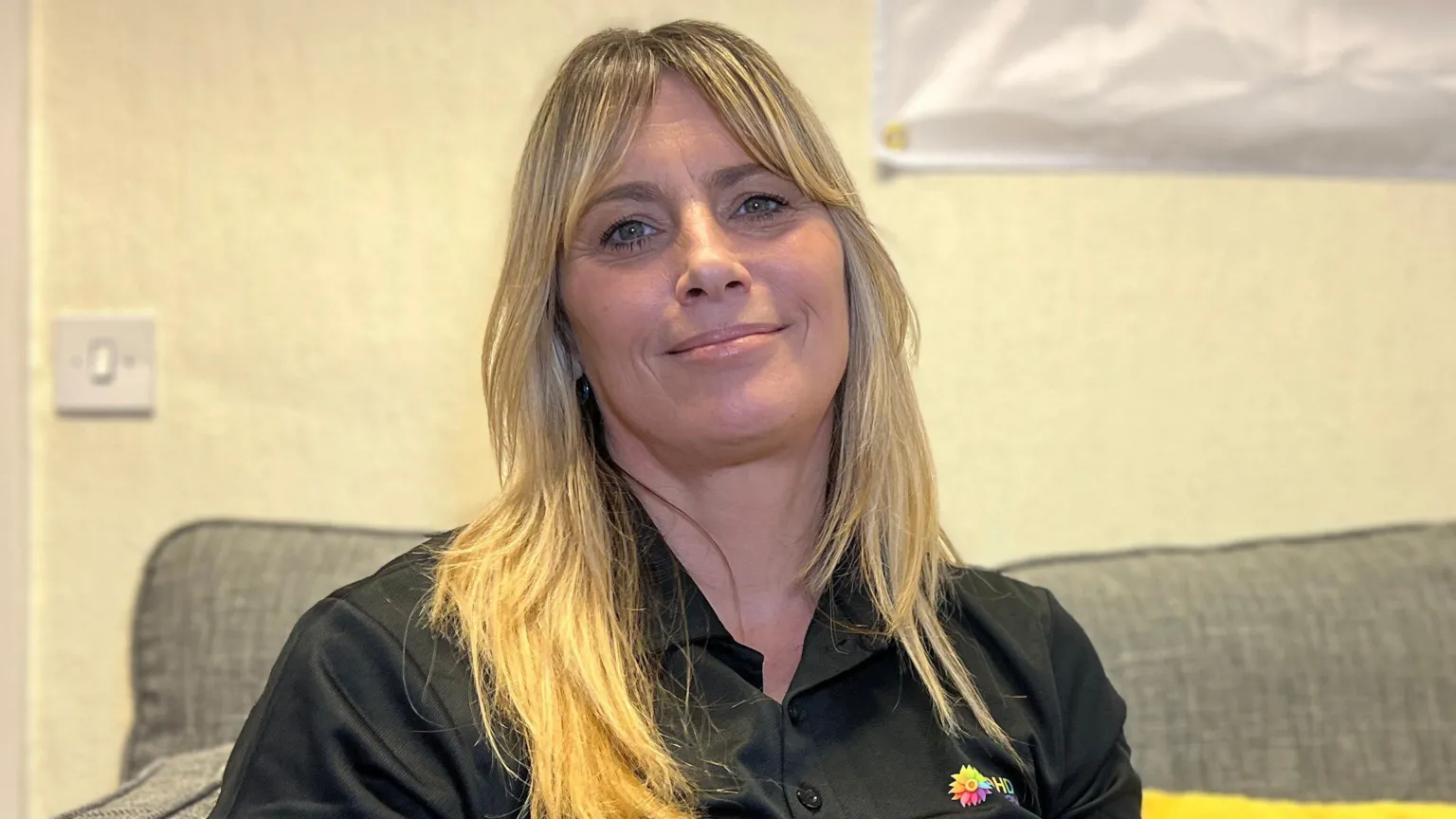
Rachel Boss, founder of the support group ADHD Jersey, which assisted Herd after her release, praised Herd's public speaking.
"Charlie was an absolutely amazing girl," Boss said. "To just be able to speak in Parliament with so much poise and so much conviction - it's just the most beautiful thing that I've ever seen."
Boss emphasized the need for better screening and support systems within prisons.
"There needs to be more screening in the prisons and then there really needs to be some support for when prisoners are ready to reintegrate."
The Justice and Homes Affairs Department has been approached for a response regarding the calls for increased ADHD screenings in the prison system.
For further updates, follow BBC Jersey on X and Facebook. Story ideas can be sent to channel.islands@bbc.co.uk.