Record Winter Rainfall Affects Coastal Waters
Record winter rainfall is transporting pollution and sediment into the coastal waters of Devon and Cornwall, increasing risks to marine life, shellfish, and potentially human health as temperatures rise.
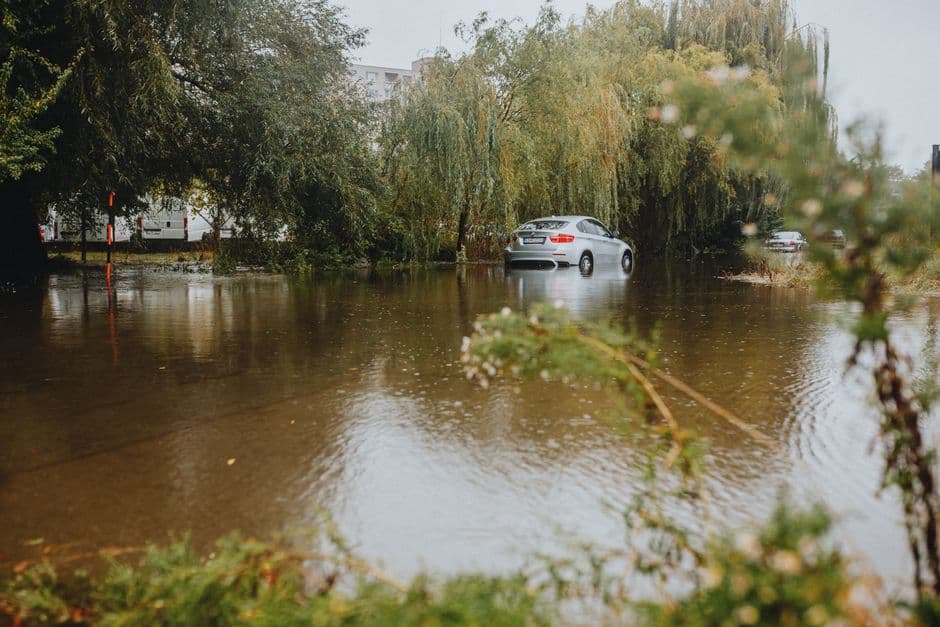
In March, forecasters reported that parts of Cornwall and Devon experienced rainfall amounts reaching approximately 150% of the long-term average. Additionally, in February, the Met Office documented Cornwall's wettest winter since records began.
If future winters continue to be mild and wet, this may have long-term consequences not only on land but also on marine environments, coastal ecology, and public health.
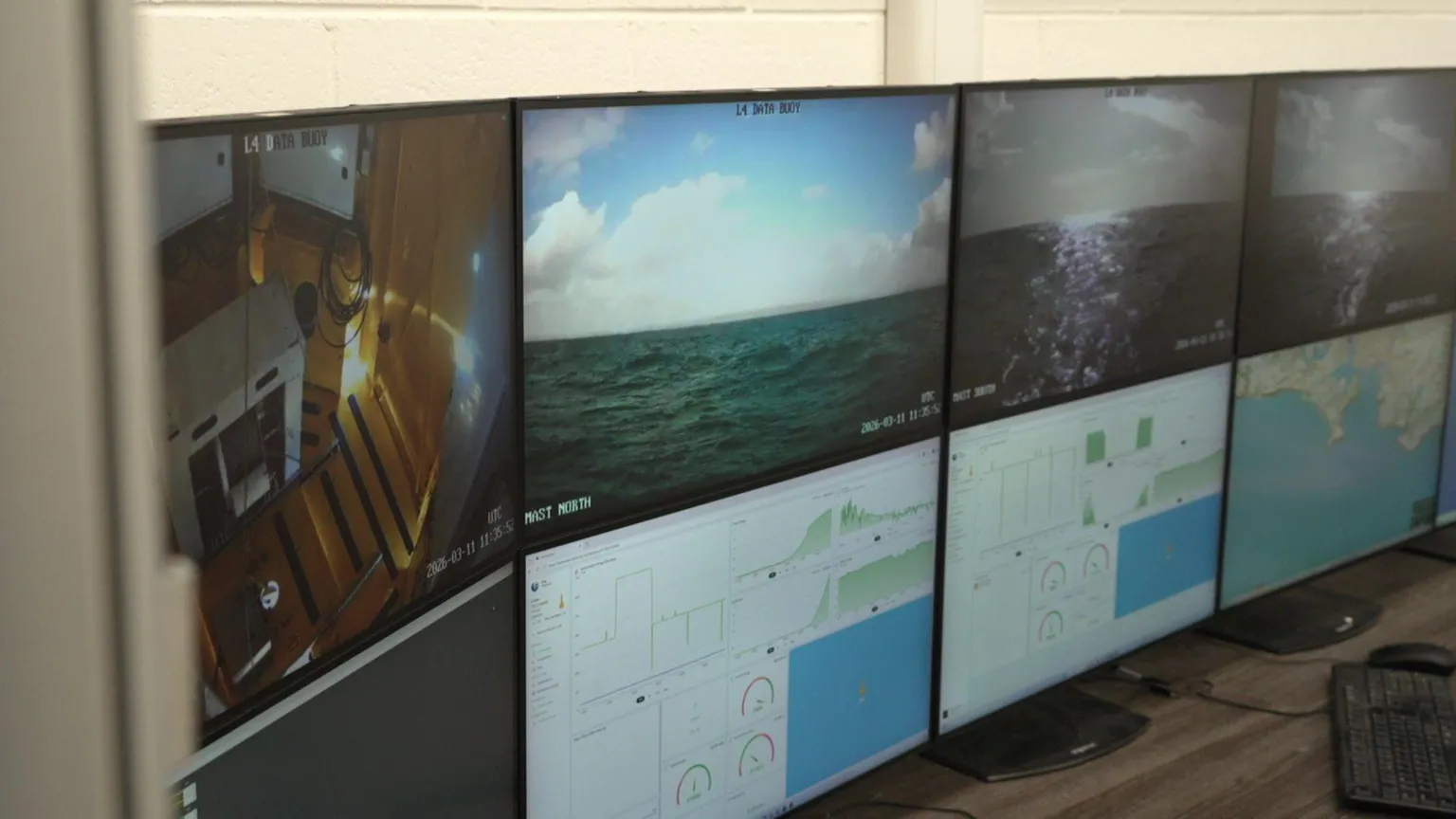
The Plymouth Marine Laboratory has been employing various monitoring tools, including satellites and drones, to observe the waters. Their work involves testing levels of viruses and bacteria and assessing the populations of different algae species.
'Large Sediment Plumes'
Bio-optical oceanographer Dr Gavin Tilstone, from the Plymouth Marine Laboratory, explained:
"The first thing that we notice is a large freshwater plume and that can reach way offshore.
The second thing is sediment... large sediment plumes will completely block the light, and therefore it has an effect on submerged vegetation; seagrass, for example, maybe even seaweed."
Dr Tilstone noted that certain species, which can be harmful to humans, fish, and shellfish, might exploit these conditions.
The sediment contains elevated nutrient levels derived from farm runoff and sewage spills, which influence algal growth. Increased nutrients in the water promote more prolific algal blooms.
Algal blooms are especially prominent approaching spring, with some being toxic to marine life.

The sediment and nutrients introduced during winter persist in coastal waters throughout the year and may harbor high concentrations of bacteria and viral material.
While much of this material settles on the seabed, wave action can resuspend it. As water temperatures rise, bacteria thrive, and high sediment levels can smother marine vegetation, reducing growth across various species.
The research team also monitors bacterial presence.
Tilstone said: "We run samples for bacterial counts, viral counts, and then we can see the numbers of bacteria that are coming down the rivers and along the coast.
We've sampled for E. coli, a bacteria that's harmful to humans, and, indeed after any heavy rainfall event, we can detect large counts of E. coli."
He added that the environmental impact moving forward depends on spring and summer weather patterns.
"It could be that we get persistent rainfall, in which case we could get larger, possibly noxious and harmful blooms occurring on the coast.
Or it could be that we get very dry and hot summer conditions, which can also have a big impact on the coastal environment.
The system is in a state of flux and it will continue to change."
Environment Agency's Role and Monitoring
Bruce Newport, area environment manager for bathing waters at the Environment Agency, described the distinction between the Plymouth Marine Laboratory's work and that of the Environment Agency.
He said: "Ours is very much more looking at sewerage indicators and, where we find those, we can then begin to work to understand where they've come from."
Newport noted that there is currently no methodology for "real-time testing" to provide moment-by-moment information.
"Over the last 30 years, we've been collecting bathing water samples once a week through the summer and that long-term data set gives you the best idea of where is safest to swim."
Improvements and Challenges in Water Quality
He added that the agency responds to public reports but noted that many beaches have long-standing records of excellent bathing water quality.
He said: "There are only a few of those beaches where you're likely to find issues, especially after heavy rain.
It is disappointing to see sewage going into our rivers and into our bathing waters, but, if you look back in time, we're in such a much better place we are today than we were 10 or 15 years ago.
The water is so much cleaner and now, with pretty well 98% of our bathing waters meeting brilliant standards, we're in a really great place right across Devon and Cornwall.
I think the biggest challenge that we've got is, now we've got most of our bathing waters to a very clean state, it's actually now becoming more difficult to find out which of the pipes is causing the problem."
Follow BBC Cornwall on X, Facebook, and Instagram. Follow BBC Devon on X, Facebook, and Instagram. Send your story ideas to spotlight@bbc.co.uk.