Community Effort Creates Hedgehog Network in South-West London
A network of tunnels and holes designed for hedgehogs in south-west London is contributing to the survival of one of Britain’s most vulnerable animals within the capital.
Alice Mallorie has dedicated years to modifying her garden in Barnes to improve accessibility for hedgehogs. These pathways are part of a broader community initiative locally known as the hedgehog highway.
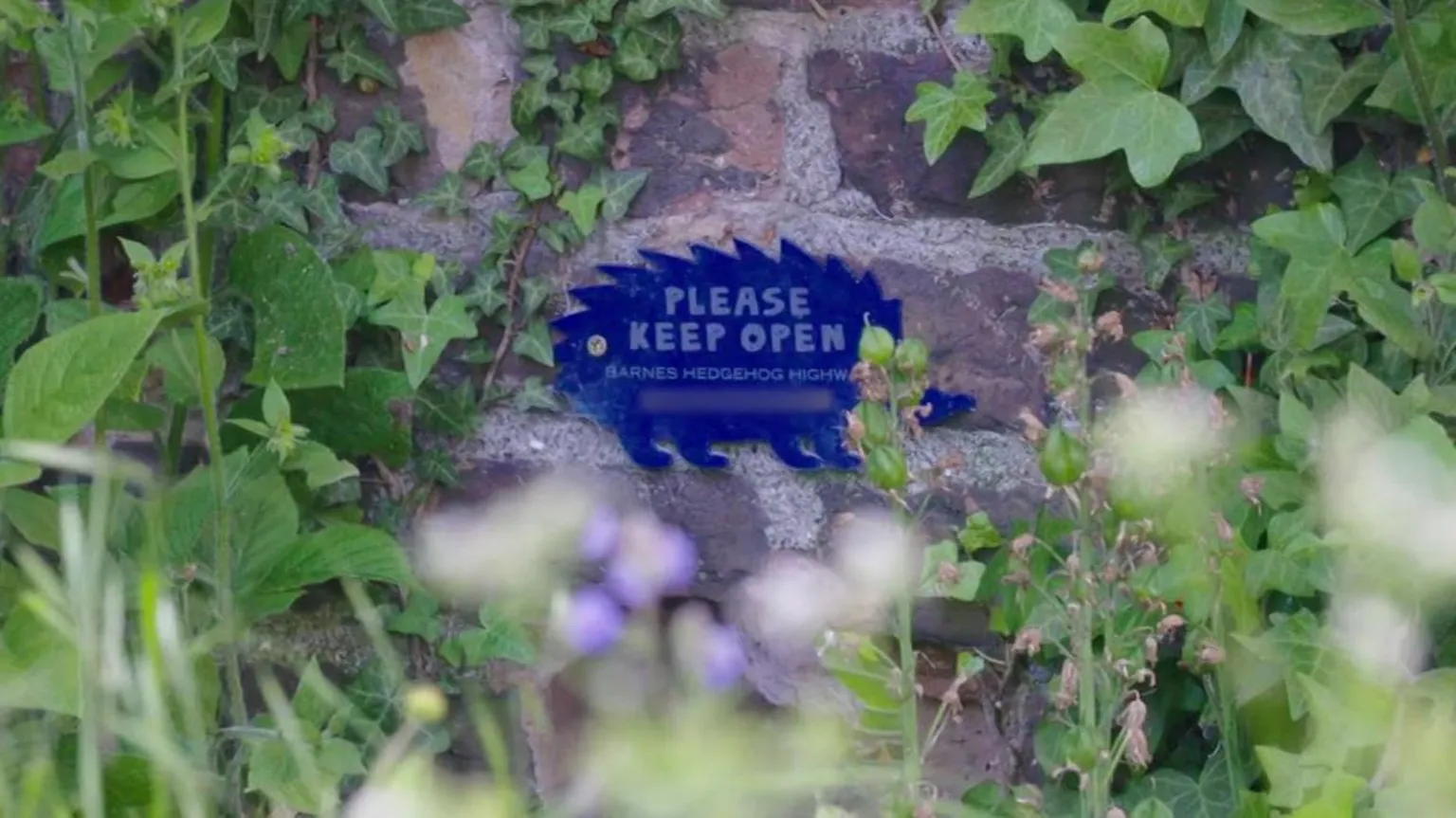
Openings have been made in fences and walls, including a passage drilled through a thick Victorian boundary wall, enabling hedgehogs to move freely between neighbouring gardens and spaces.
Mallorie told BBC London:
"I guess in a very low-key way, being able to see any wildlife in your garden is good for the soul."
Her garden also features feeding stations intended to support these nocturnal creatures, which are most active after dark.
She added:

"You know, they're going down in numbers, so there's something about them which is vulnerable and charming."

Origins and Spread of the Hedgehog Highway
The Barnes Community Association reports that the hedgehog highway began when local resident Michel Birkenwald initiated a campaign after discovering a hedgehog living in his garden. This initiative has since expanded throughout the community.
Barnes is regarded as a significant hotspot for hedgehogs, according to monitoring conducted by the Zoological Society of London (ZSL).
Research and Conservation Efforts
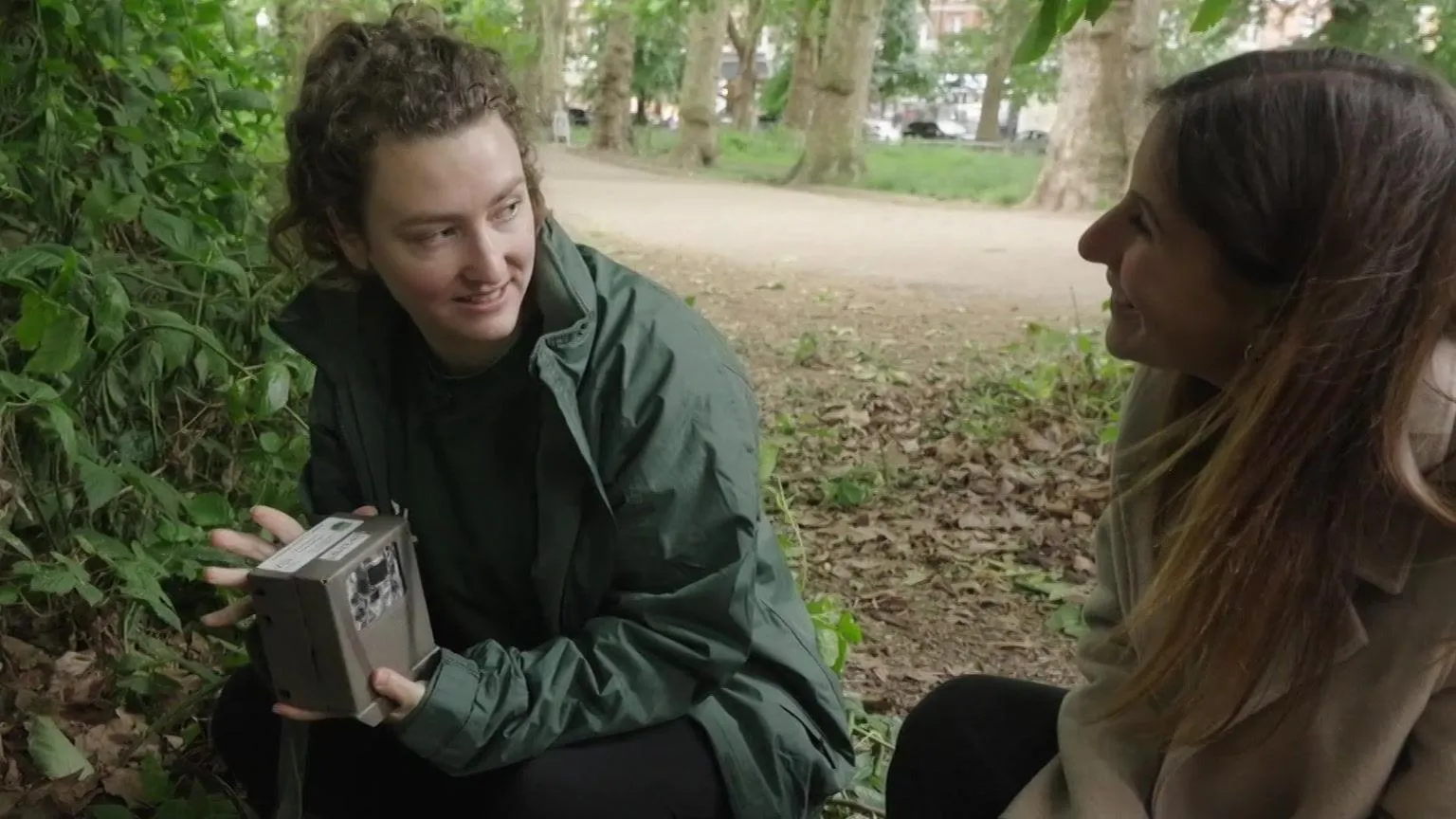
Conservationists from ZSL have deployed camera traps across 21 London boroughs to study urban hedgehog populations. They have collected millions of images to identify where hedgehogs remain active within the city.
Despite these areas of activity, hedgehogs have suffered substantial declines in recent decades and are classified as vulnerable to extinction in Britain.
A 2022 report indicates that up to 75% of Britain’s rural hedgehog population has been lost since the beginning of the 21st century.
Challenges Facing Urban Hedgehogs
Kate Scott-Gatty, a researcher at ZSL's Institute of Zoology, explained the difficulties hedgehogs face in urban environments:
"Hedgehogs have declined historically throughout Britain and they're now on the red list for British mammals as vulnerable to extinction and we've also seen that decline in London as well.
"If you think about it, hedgehogs they're quite small, they've got short legs, they're not like squirrels and foxes that can kind of get almost anywhere across London.
"They're really susceptible to barriers and urban infrastructure, so roads, fences, walls and that means that they can't get to the places that they need to."
Additional Information
Listeners can access the best of BBC Radio London on Sounds and follow BBC London on Facebook, X, and Instagram. Story ideas can be sent to hello.bbclondon@bbc.co.uk.