

Call for Plastic Memorial Ban at Kingston Cemetery
An ecologist has urged Kingston Council to implement a ban on plastic memorial items within Kingston Cemetery.
Alison Fure, aged 68, is actively petitioning the council to phase out plastic decorative objects such as ornaments, artificial flowers, and windmills placed on graves.
Having resided within walking distance of the cemetery in south-west London for 35 years, Fure expressed concern that environmental harm caused by plastics has left the cemetery's ecosystem "hanging by a thread." She advocates for policy changes to align Kingston Cemetery with other London cemeteries.
Council Response and Environmental Concerns
Kingston Council stated it will review the petition after its closure and reaffirmed its commitment to preserving the cemetery's "vital habitats."
Fure regularly participates in litter picking activities at the cemetery alongside her granddaughter. The site is designated as a Site of Importance for Nature Conservation (SINC).

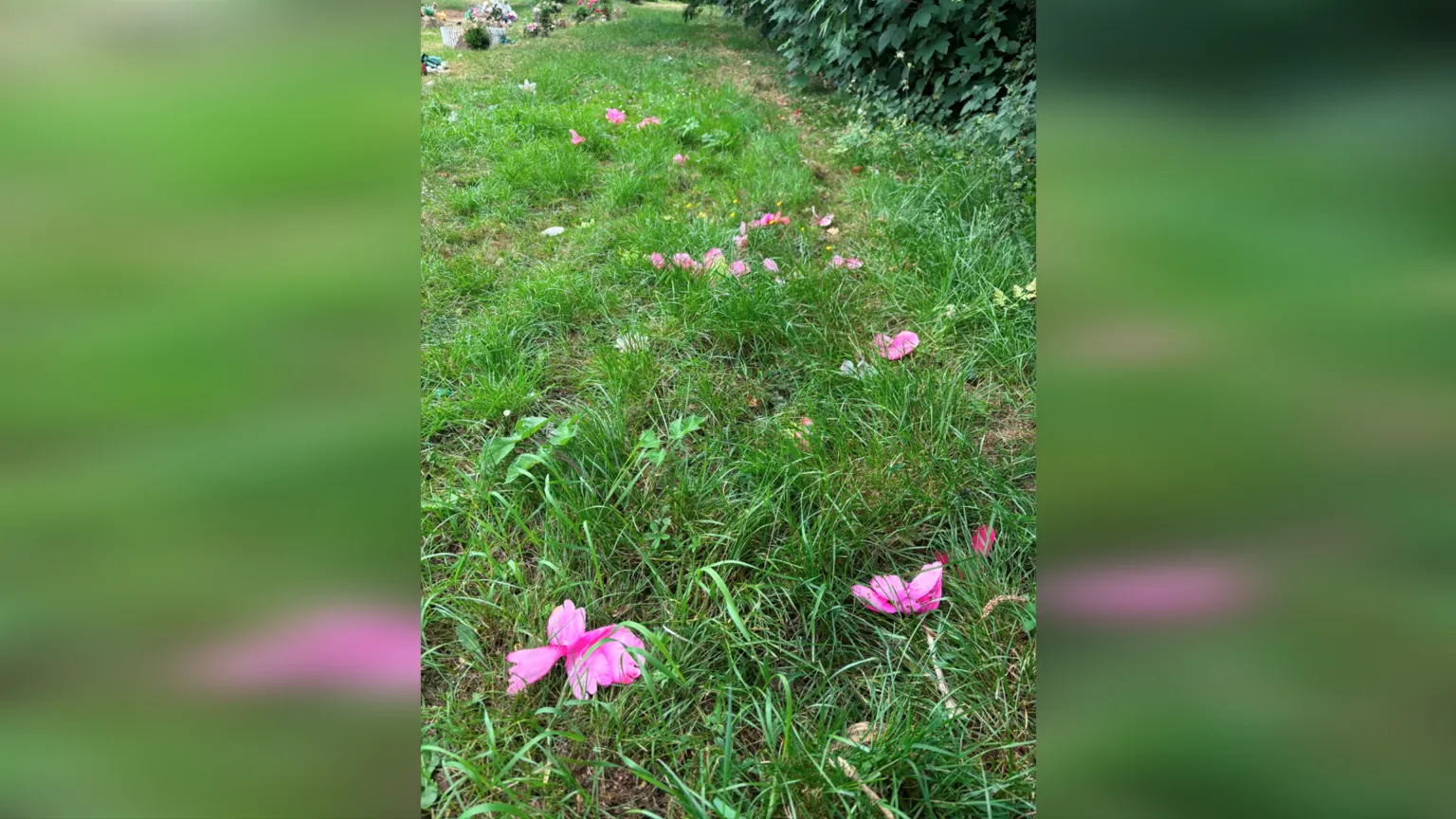
"The immediate concern is the plastics becoming microplastics. The mowers churn up plastic leaves and petals and it gets embedded over the years,"
Across the UK, the removal of artificial flowers from graveyards has sparked debate. Some families argue that they depend on artificial flowers when unable to visit graves frequently, while others note that plastic flowers are a more affordable and longer-lasting option, as they are not consumed by rabbits and other wildlife.
Current State of the Cemetery
Fure described Kingston Cemetery, which she believes "should be a place of natural peace, dignity, and reflection," as currently containing cellophane wrappers, plastic plant pots, broken ornaments, artificial flowers, windmills, and general litter.
"You don't want people laying in a landfill site,"
"I think the council would be surprised that the situation has gotten so badly out of hand.
Everyone blames the crows, but after a windy day, the cemetery looks a state."
She also expressed concern about plastics entering the Hogsmill River, which borders the cemetery's southern edge.
"Everything ends up blowing down the bank and into the river,"
Fure emphasized that decisions regarding the removal of plastics, including whether to include children's graves in any ban, should be determined by the council.
Council Policies and Future Actions
A spokesperson for Kingston Council noted that existing regulations limit plastic fencing and encourage visitors to remove cellophane wrappers from flowers.
"[The council] remains committed to protecting the cemetery's vital habitats.
At the same time, we remain mindful that visitors often act according to their individual emotional state when commemorating loved ones.
Once the petition is closed, it will be considered in line with our petition scheme. As part of this process, we will look at strengthening our messaging both on our website and in direct correspondence."
Listeners can access BBC Radio London's best content on Sounds and follow BBC London on Facebook, X, and Instagram. Story ideas may be sent to hello.bbclondon@bbc.co.uk.


