

Research Highlights Potential to Cancel Climate Change Effects on Windermere
Research investigating how to safeguard the future of England's largest lake has identified potential measures to "fully cancel out" the anticipated impact of climate change on Windermere.
The Environment Agency (EA) has released a study examining strategies to reduce pollution in Windermere and protect its water quality from algae growth, which can render water unsafe for swimming and damage wildlife habitats.
The EA stated that the "most ambitious option" evaluated involved the complete removal of all wastewater inputs, including those from septic tanks.
"[This] was enough to fully cancel out the projected effects of climate change on the lake in the next 50 years," the organisation said.
Windermere has attracted attention in recent years due to concerns about sewage discharges and the lake's water turning green from algal blooms, particularly during summer months.
The EA's research, conducted in partnership with the UK Centre for Ecology and Hydrology, projected that Windermere's average temperatures would increase by 2.4 to 2.5°C by the late 2070s as a result of climate change.
This temperature rise, assuming no changes in lake management practices regarding local agriculture and sewage discharge, would lead to elevated concentrations of nutrients such as phosphorus and nitrogen in the waterbody.
These nutrients promote the growth of "harmful" blue-green algae, which can pose risks to both humans and animals.
However, the study found that if all sewage inputs to Windermere were eliminated, the number of days per year during which blue-green algae concentrations exceeded World Health Organization (WHO) limits would drop to zero, even when accounting for the projected temperature increase.
Expert Insights on Protecting Windermere
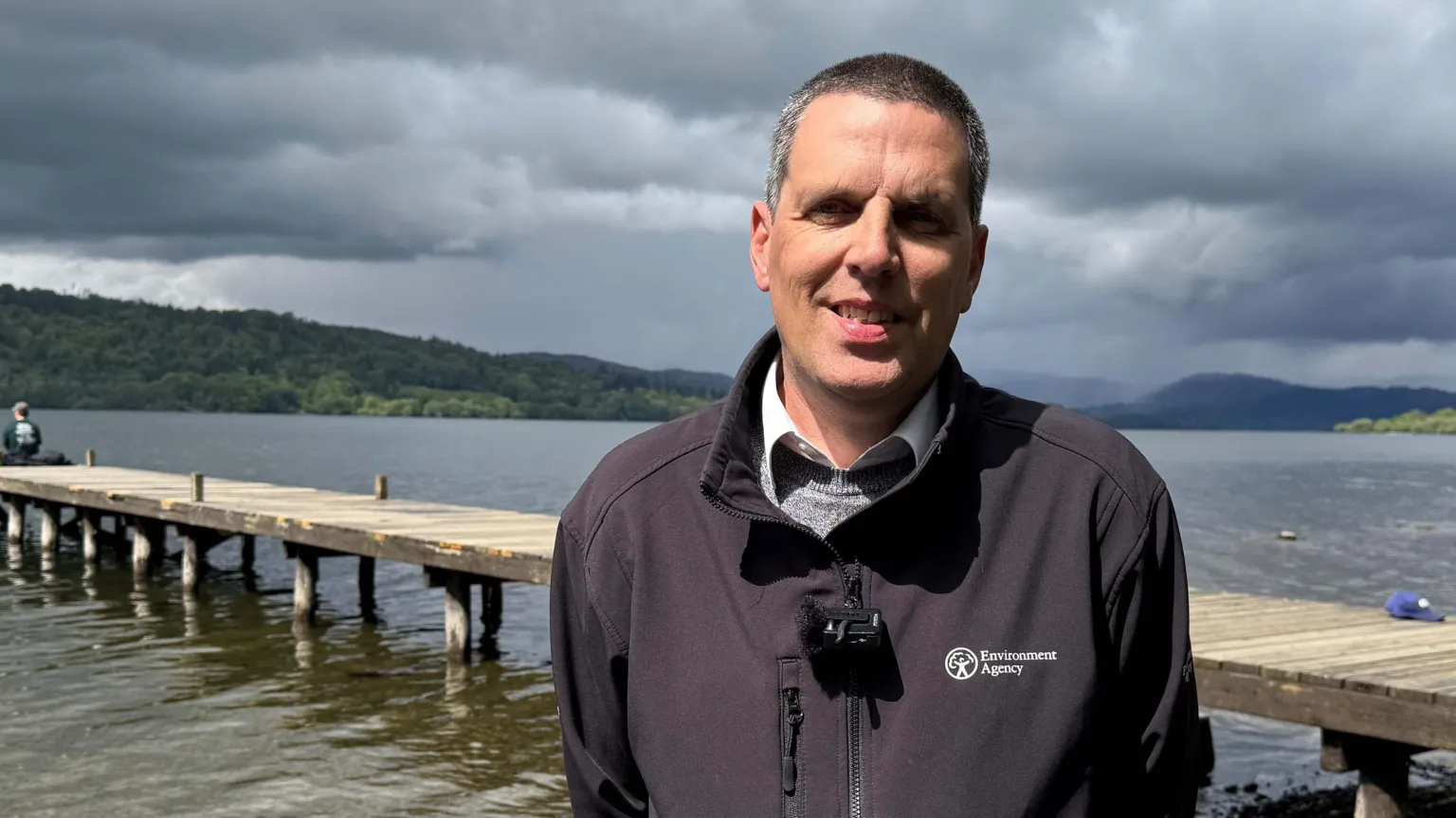
Andy Brown, the EA's water regulation manager, highlighted that the modelling demonstrated how the lake could be preserved for "future generations."

"This research builds our understanding further and gives us and our partners a stronger scientific foundation for making the right decisions about where investment needs to go."
The study also evaluated two additional approaches: the potential impact of land managers and farmers reducing nutrient runoff from their land, and the treatment of wastewater.
The EA noted, "All three approaches reduced the number of days when blue-green algae reached levels the World Health Organisation considers a risk to human health, even when the additional pressures of climate change were factored in."
No Single Solution for All Lakes
Nevertheless, the EA emphasized that the research "makes clear that there is no single solution that works for every lake."
Esthwaite Water, a smaller lake that drains into Windermere, "remained a concern under every future scenario" examined.
The EA explained, "This is because factors like a lake's size, depth and historic activities, all affect how it responds to pollution and climate change.
Managing these pressures well means that understanding each lake on its own terms is essential."
Innovative Modelling Techniques
The study employed computer modelling to assess how climate change could influence nutrient delivery to Windermere and Esthwaite Water.
Brown described the work as unique because it integrated two distinct computer models that typically do not interact.
"I imagine it like getting a cable that enables an iPhone to talk to an Android phone," he explained.
He added that increased inspections and enforcement actions against utility companies have also been undertaken to address pollution concerns in the area.
"It's important that we do work based on evidence and that we work in collaboration," he said.
Follow BBC Cumbria on X, Facebook, Nextdoor and Instagram.


